ED-71 ameliorates OVX-induced osteoporosis by regulating calcium homeostasis and SIRT1-mediated mitochondrial function, alleviating osteoblast senescence and suppressing osteoclastogenesis
Abstract
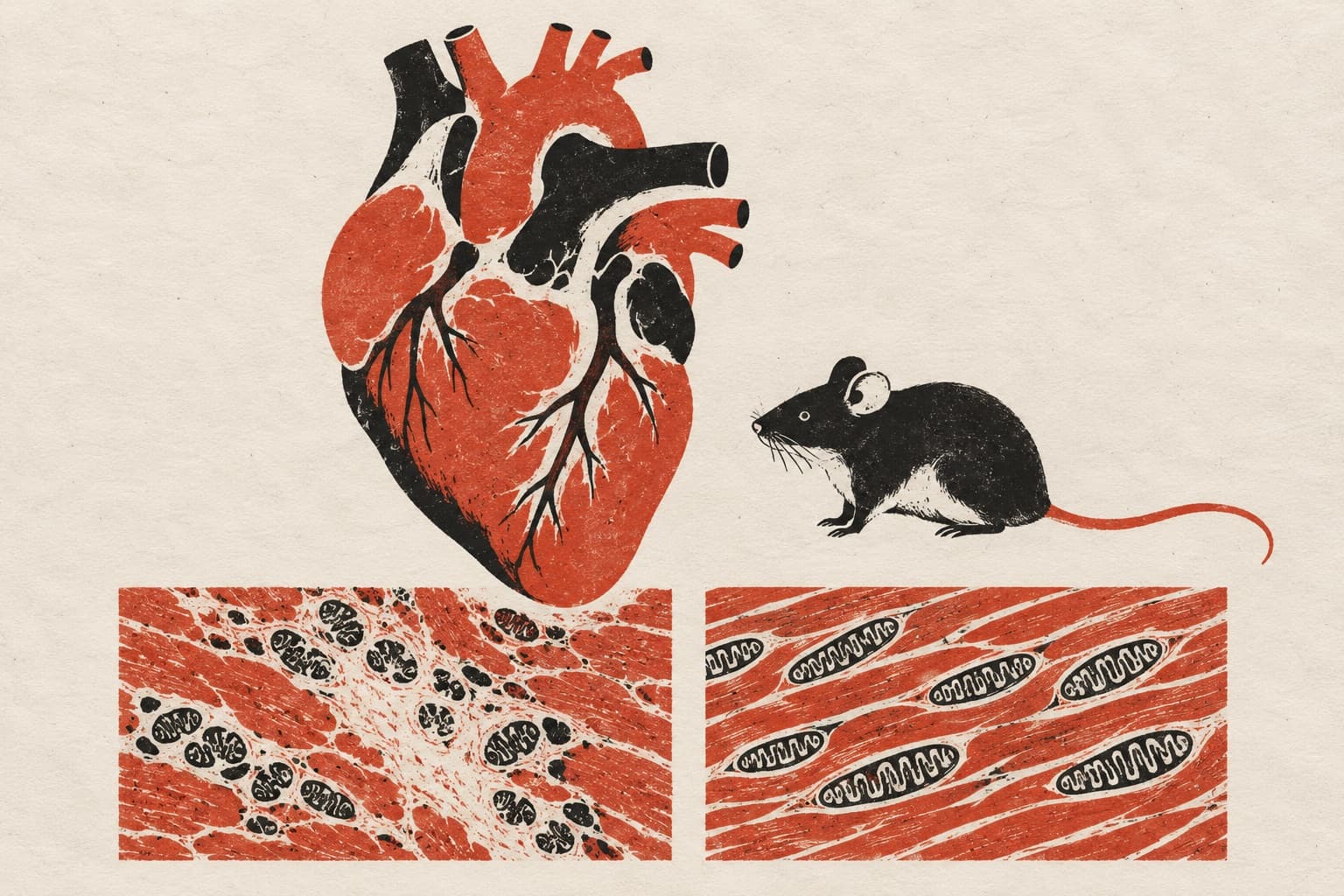
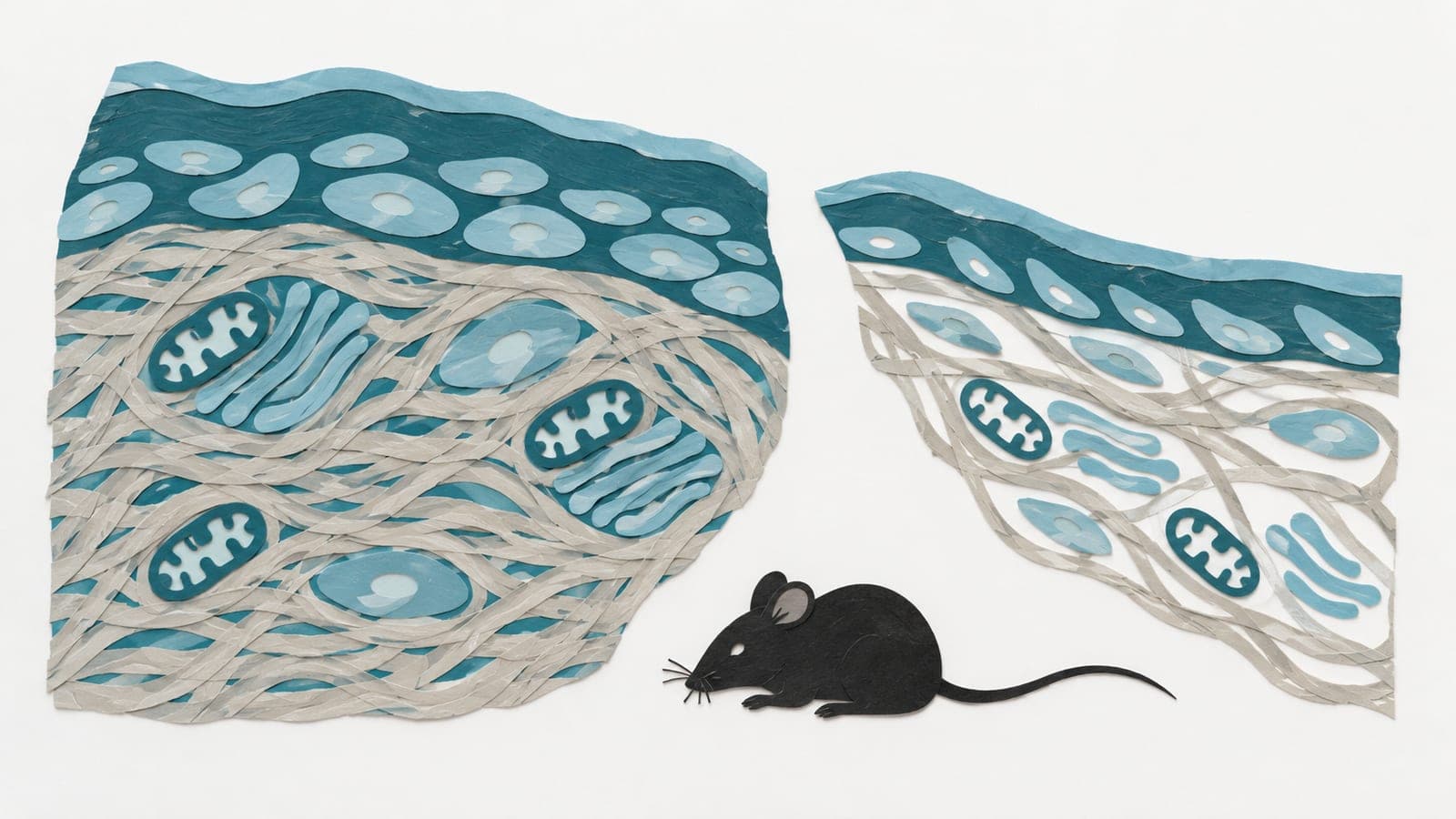
Osteoporosis arising from estrogen deficiency is characterized by oxidative stress and cellular senescence accompanied by calcium loss and disrupted bone metabolism. The paracrine interaction between osteoblasts and osteoclasts, along with the ratio of receptor activator of nuclear factor-κB ligand (RANKL) to osteoprotegerin (OPG), play a pivotal role in maintaining bone homeostasis. Eldecalcitol (ED-71), a novel active form of vitamin D, can reduce the ratio of RANKL to OPG in osteoblasts. In this study, an ovariectomized (OVX) rat model was established in vivo, and a cell model was constructed in vitro using H₂O₂ to explore the specific mechanism by which ED-71 improved the release of RANKL/OPG in senescent osteoblasts. Mitochondrial dysfunction and calcium imbalance were identified as significant factors. Under oxidative stress conditions, ED-71 alleviated endoplasmic reticulum (ER) stress by decreasing the ratio of phosphorylated protein kinase R-like ER kinase (P-PERK/PERK), and augmented the expression levels of sarcoplasmic reticulum/endoplasmic reticulum calcium ATPase 2 (SCERA2) thereby promoting calcium uptake by the ER, enhancing ER calcium influx, and effectively ameliorating calcium homeostasis between the ER and mitochondria. Consequently, it mitigates mitochondrial calcium overload and associated dysfunction. In contrast, ED-71 increased the expression of silent information regulator 1 (SIRT1) and phosphorylated AMP-activated protein kinase (P-AMPK). This alleviates mitochondrial dysfunction and promotes adenosine triphosphate (ATP). The combined effects of these two factors synergistically contribute to the improvement in osteoblast senescence.
The paper
Shandong University
Cellular Signalling, Mar 4, 2025