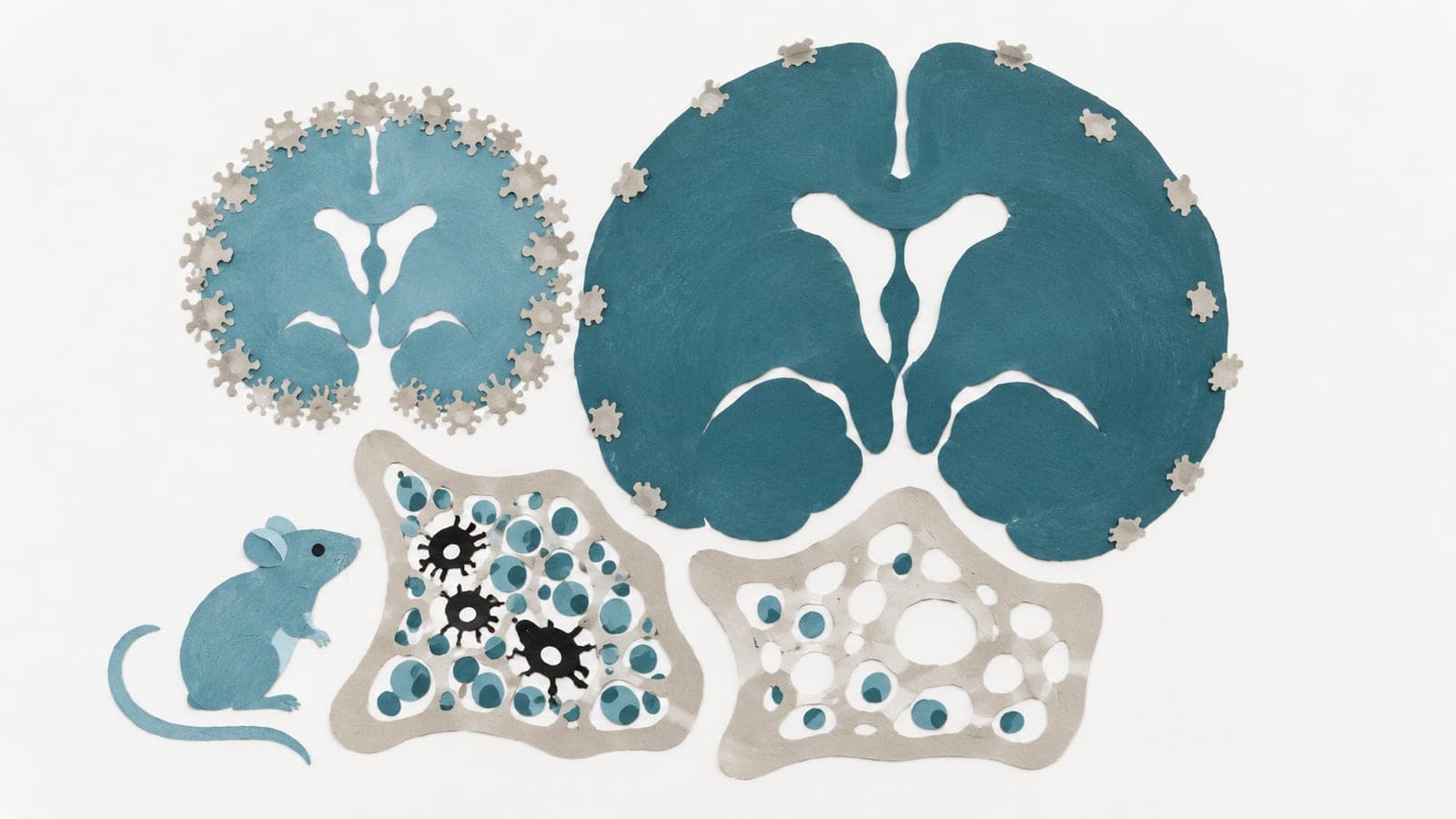
Macrophage-derived CTSS drives the age-dependent disruption of the blood-CSF barrier
Abstract
The choroid plexus (CP) serves as the primary source of cerebrospinal fluid (CSF). The blood-CSF barrier, composed of tight junctions among the epithelial cells in the CP, safeguards CSF from unrestricted exposure to bloodborne factors. This barrier is thus indispensable to brain homeostasis and is associated with age-related neural disorders. Nevertheless, its aging is poorly understood. Here, we report that cathepsin S (CTSS), a protease secreted from the CP macrophages, is upregulated in aged CP due to increased cell senescence. CTSS cleaves the essential tight junction component, claudin 1 (CLDN1), and, in turn, impairs the blood-CSF barrier. Notably, inhibiting CTSS or upregulating CLDN1 in aged CP rejuvenates the blood-CSF barrier and brain functions. Our findings uncover a vital interplay between immune and barrier cells that accelerates CP and brain aging, identify CTSS as a potential target to improve brain homeostasis in aged animals, and underscore the critical role of circulating proteinases in aging.