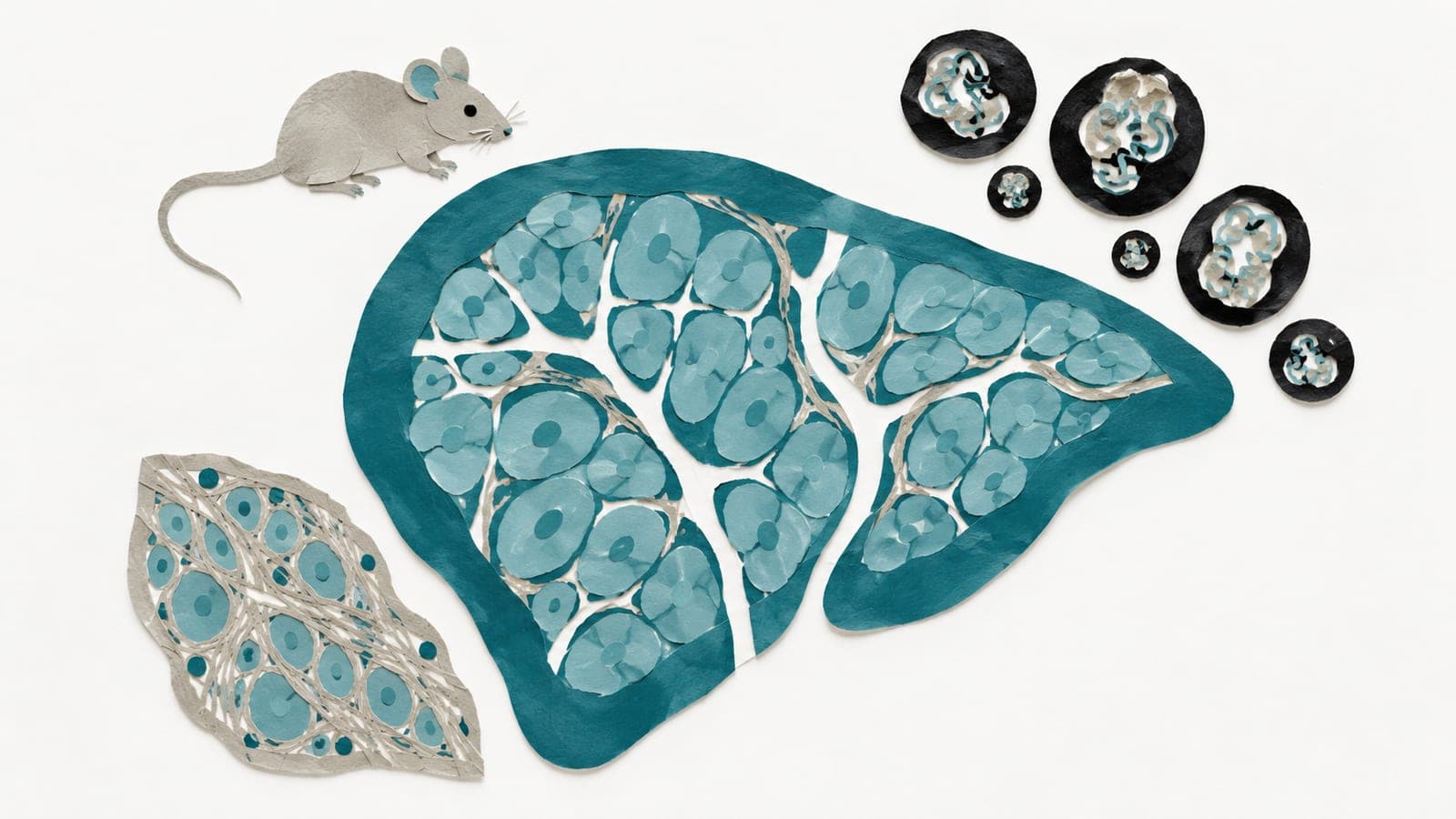
Delivering miR-23b-3p by small extracellular vesicles to promote cell senescence and aberrant lipid metabolism
Abstract
BACKGROUND: Aging is a natural process that affects the majority of organs within the organism. The liver, however, plays a pivotal role in maintaining the organism's homeostasis due to its robust regenerative and metabolic capabilities. Nevertheless, the liver also undergoes the effects of aging, which can result in a range of metabolic disorders. The function of extracellular vesicles and the signals they convey represent a significant area of interest within the field of ageing research. However, research on liver ageing from the perspective of EVs remains relatively limited. RESULTS: In the present study, we extracted liver tissue small extracellular vesicles (sEVs) of mice at different ages and performed transcriptome and proteome analyses to investigate the senescence-associated secretory phenotype (SASP) and mechanisms. sEVs in the older group were rich in miR-23b-3p, which was abundant in the sEVs of induced aging cells and promoted cell senescence by targeting TNF alpha induced protein 3 (Tnfaip3). After injecting adeno-associated virus (AAV) expressing miR-23b-3p into mice, the liver of mice in the experimental group displayed a more evident inflammatory response than that in the control group. Additionally, we found elevated miR-23b-3p in blood-derived-sEVs from patients with familial hypercholesterolemia. CONCLUSIONS: Our findings suggest that miR-23b-3p plays a pivotal role in liver aging and is associated with abnormal lipid metabolism. The upregulation of miR-23b-3p in liver EVs may serve as a potential biomarker for aging and metabolic disorders. Targeting miR-23b-3p could provide new therapeutic strategies for ameliorating age-related liver dysfunction and associated metabolic abnormalities.
The paper
Chinese Academy of Medical Sciences & Peking Union Medical College
BMC Biology, 11 Feb 2025, Open access