The effect of an exercise- and passive-induced heat stress on autophagy in young and older males
Abstract
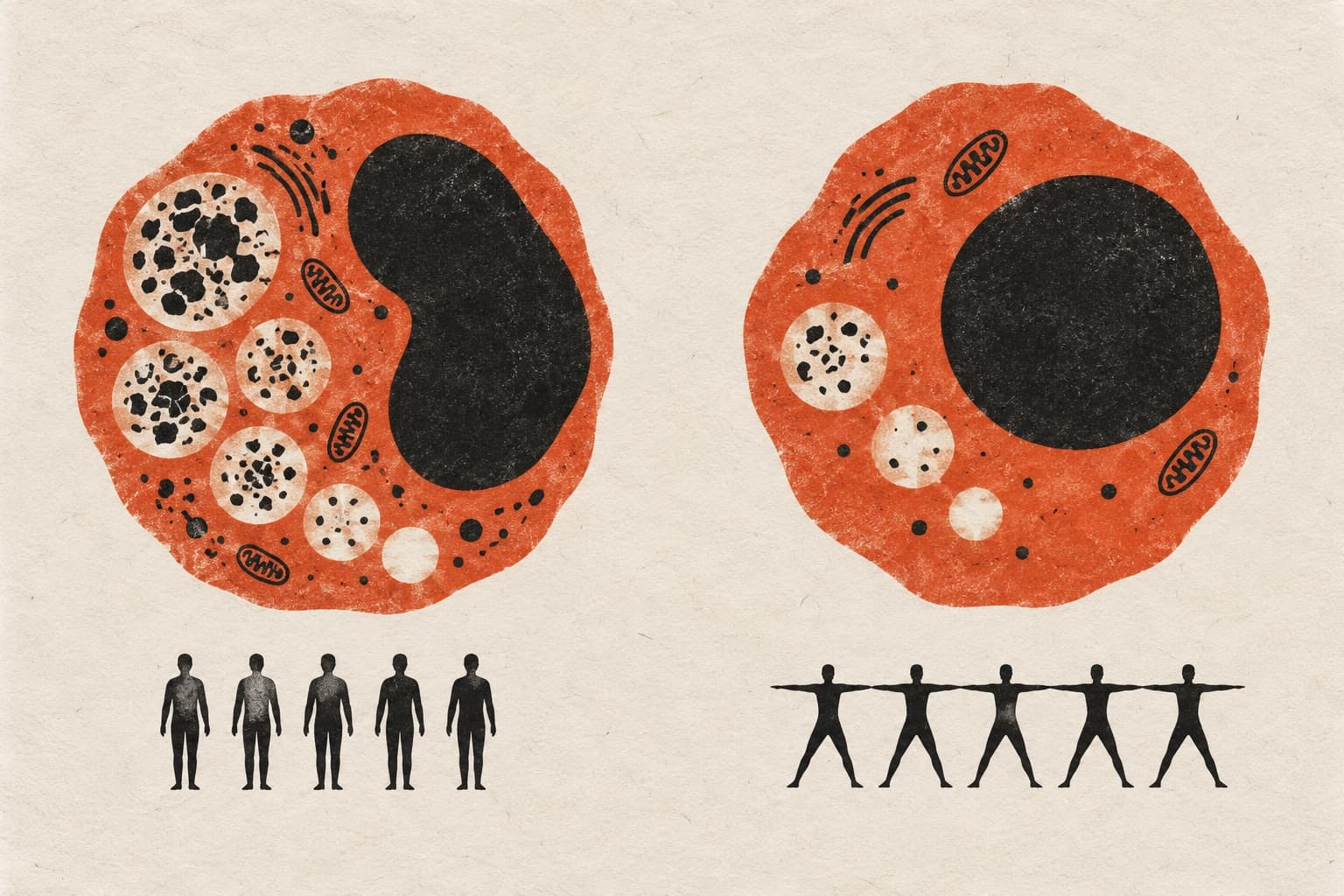
Although activation of autophagy is vital for cellular survival during exposure to ambient heat and exercise, it remains unclear if autophagic activity differs between these heat stress conditions and if aging mediates this response. Young [n = 10, mean (SD): 22 (2) yr] and older males [n = 10, 70 (5) yr] performed 30 min of semi-recumbent cycling (70% maximal oxygen uptake). On a separate day, participants were immersed in warm water for 30 min, with the water temperature adjusted to induce the same increase in core temperature (rectal) as the prior exercise bout. Proteins associated with autophagy, inflammation, apoptosis, and the heat shock response (HSR) were assessed in peripheral blood mononuclear cells via Western blot before and after each exposure and during a 6-h seated recovery in a temperate environment (∼22°C). No differences in core temperature occurred at end-exposure to exercise or passive heating in either group (both, P ≥ 0.999). Older adults exhibited greater autophagic regulation (significant LC3-II accumulation) to exercise when compared with passive heating at all time points (all, P ≤ 0.022). However, passive heating alone may have impaired autophagy (elevated p62; P = 0.044). Pro-inflammatory IL-6 was elevated during both conditions (P < 0.001) in older adults. Conversely, greater autophagic initiation (i.e., beclin-2) occurred in young adults at end-exercise and 3-h recovery when compared with passive heating (both, P ≤ 0.024). The HSR and apoptotic responses were similar between conditions in both groups. Although brief exercise stimulates autophagy, exposure to ambient heat stress of an equivalent heat load may underlie autophagic dysregulation in older adults.NEW & NOTEWORTHY We show that a short-duration (30-min) bout of vigorous-intensity exercise stimulates autophagy in young and older males when performed in a temperate environment. However, when exposed to an equivalent heat load as achieved during the prior exercise bout to elicit the same relative increase in core temperature via warm-water immersion, autophagic dysregulation occurs in older but not younger males.
The paper
University of Ottawa
American Journal of Physiology Regulatory, Integrative and Comparative Physiology, 4 Feb 2025