AQP1 mediates pancreatic β cell senescence induced by metabolic stress through modulating intracellular H₂O₂ level
Abstract
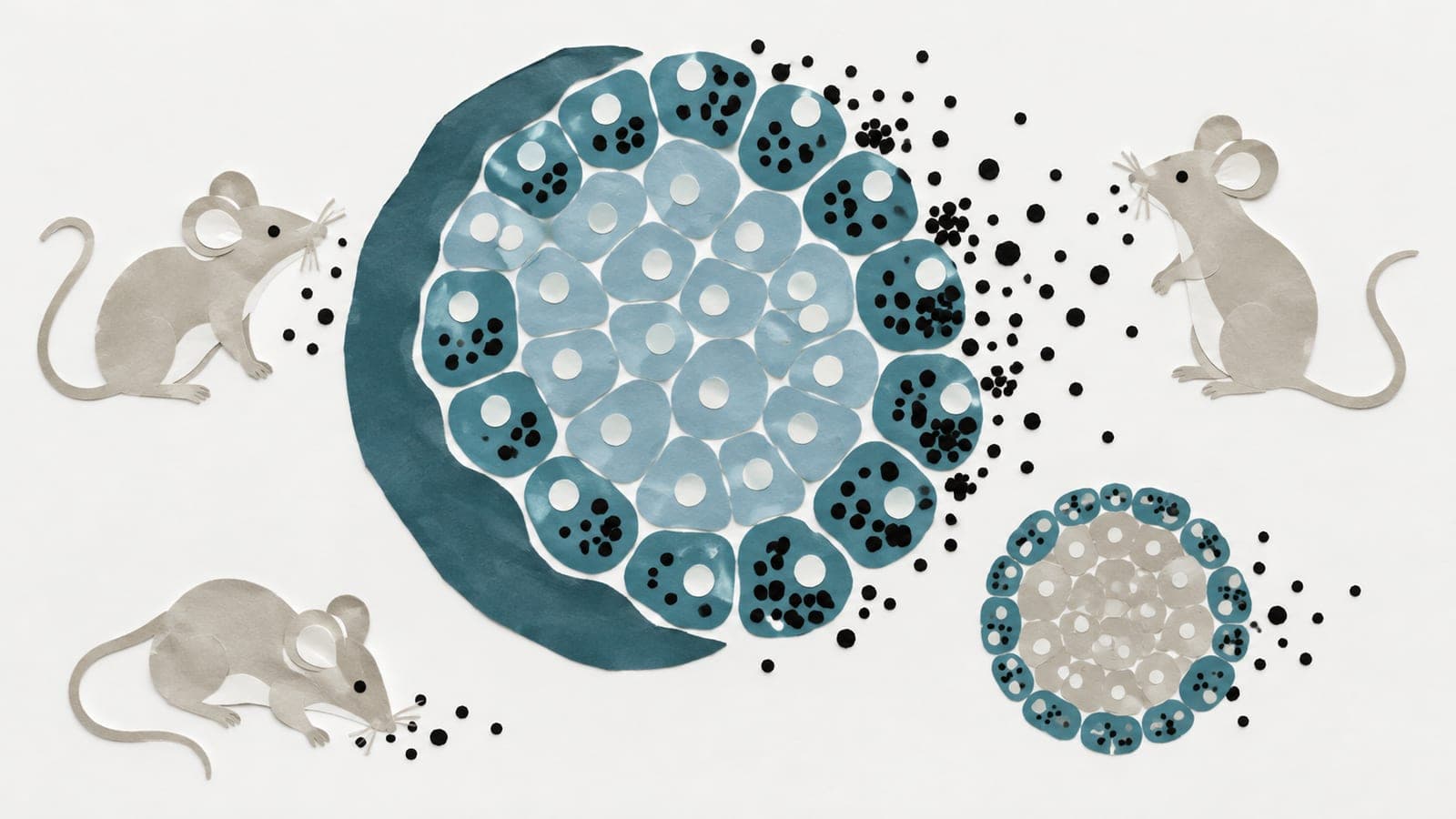
Metabolic stress-induced pancreatic β cell senescence plays a pivotal role in the type 2 diabetes progression, and yet the precise molecular mechanisms remain elusive. Through cellular experiments and bioinformatics analyses, we identified aquaporin 1(AQP1)-mediated transmembrane transport of hydrogen peroxide as a key driver of glucolipotoxicity-induced senescence in MIN6 cells. A PPI network analysis was used to cross-reference 17 differentially expressed genes associated with type 2 diabetes from three independent GEO databases with 188 stress-induced senescence-related genes from CellAge. AQP1 was revealed as a critical molecular nexus connecting diabetes, oxidative stress, and cellular senescence. AQP1 inhibition, through Bacopaside II and si-AQP1, significantly reduced critical senescence markers in MIN6 cells, demonstrated by the reversal of glucolipotoxicity-induced upregulation of p16, p21, and p-γH2A.X, activation of the senescence-associated secretory phenotype genes, and an elevated percentage of senescence-associated-β-galactosidase positive cells. These effects were primarily mediated through oxidative stress MAPK signaling pathway modulation. AQP1 inhibition is crucial in alleviating glucolipotoxicity-induced β cell senescence. It underscores its potential as a molecular target for therapeutic strategies to delay pancreatic β cell senescence by modulating antioxidant pathways during metabolic stress.
The paper
Jilin University
Free Radical Biology & Medicine, 16 Nov 2024