Molecular hydrogen inhibits neuroinflammation and ameliorates depressive-like behaviors and short-term cognitive impairment in senescence-accelerated mouse prone 8 mice
Abstract
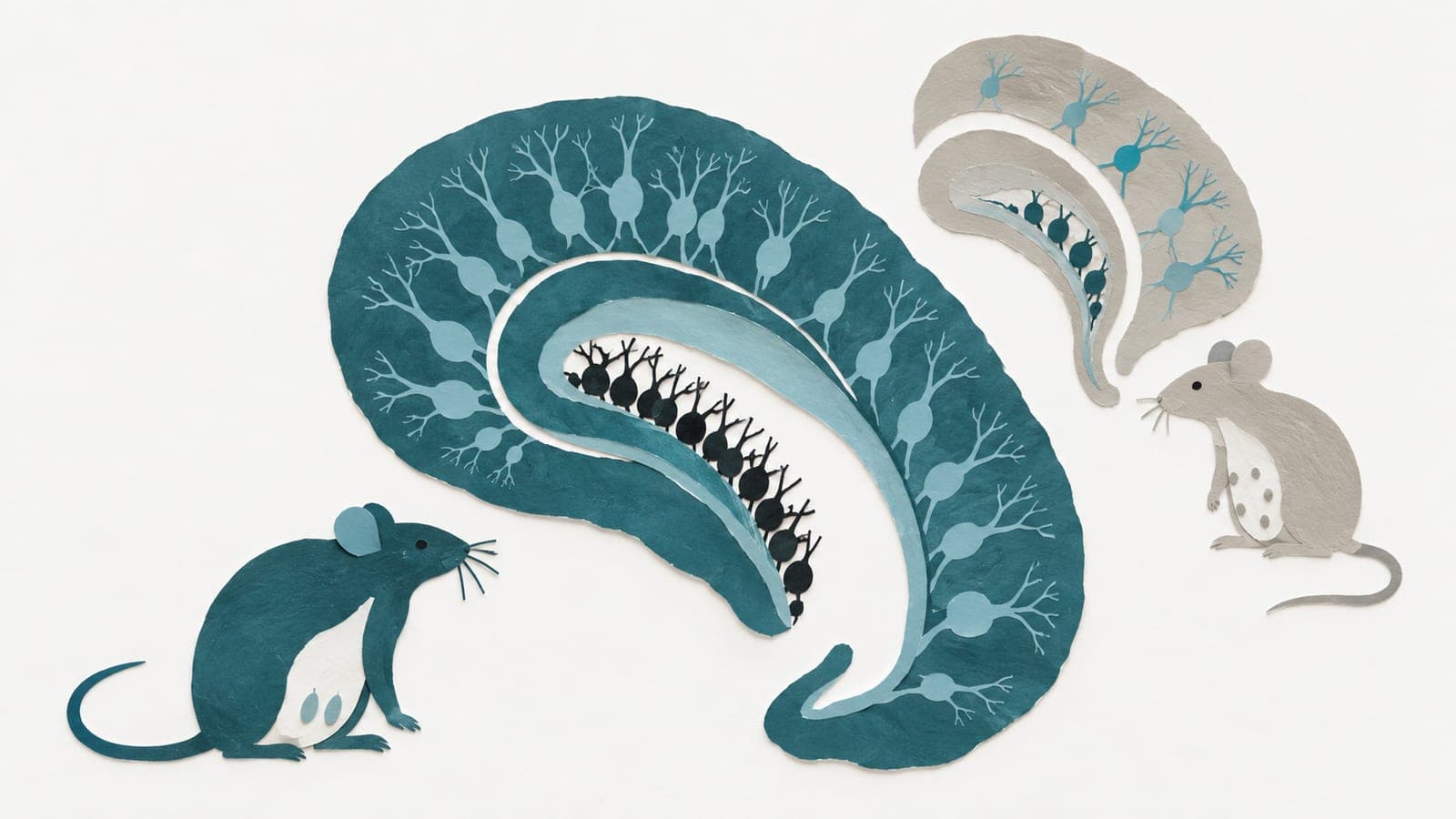
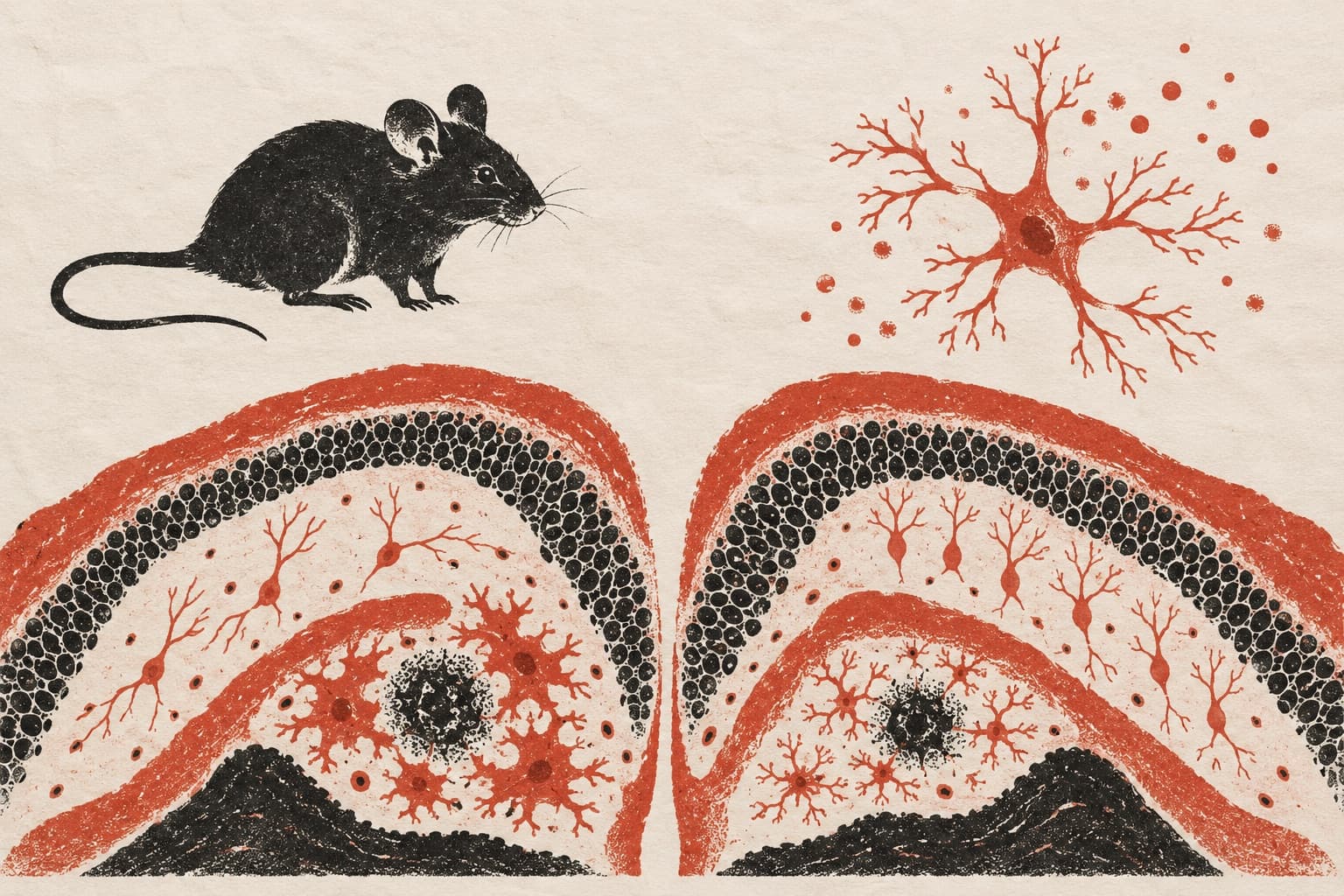
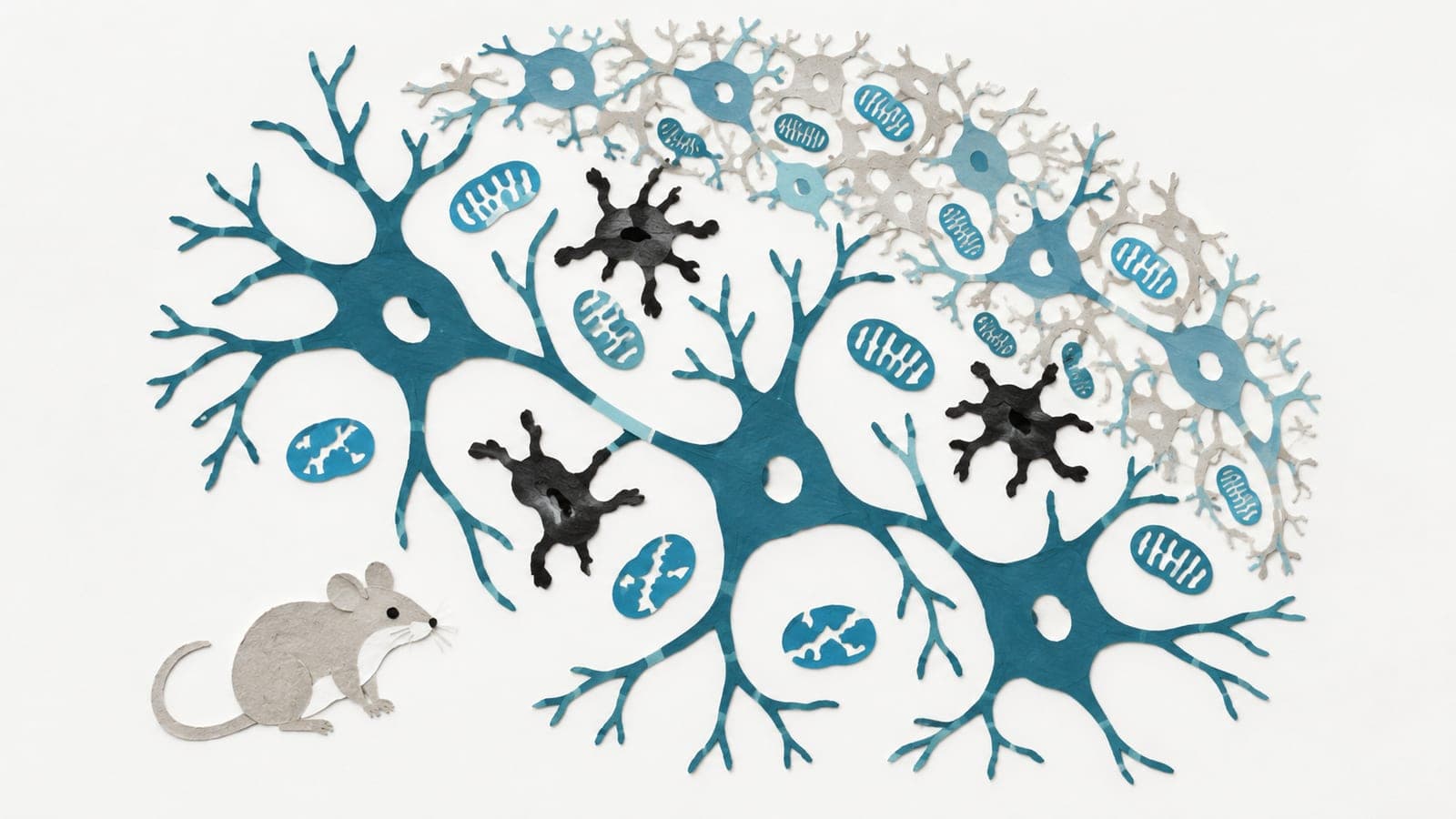
BACKGROUND AND AIMS: Neuroinflammation, a low-grade chronic inflammation of the central nervous system, is linked to age-related neuropsychiatric disorders such as senile depression and Alzheimer's disease. Recent studies have explored controlling neuroinflammation as a novel treatment strategy. Molecular hydrogen shows anti-inflammatory effects. However, its impacts on neuroinflammation and age-related neuropsychiatric disorders remain unelucidated. We investigated molecular hydrogen's effects on microglial activation, neuroinflammation, depressive-like behavior, and short-term cognitive decline in senescence-accelerated mouse-prone 8 (SAMP8) mice. METHODS: Six-week-old SAMP8 or senescence-accelerated mouse-resistant 1 (SAMR1) mice received hydrogen-rich jelly (HRJ) or placebo jelly (PJ) from six weeks of age for 26-28 weeks. Depressive-like behavior was assessed using tail suspension and forced swimming tests, while cognitive function was evaluated using the Y-maze and object recognition tests. Brain tissues were used for immunohistochemical studies or to measure pro-inflammatory cytokine levels via enzyme-linked immunosorbent assay (ELISA). RESULTS: HRJ intake reduced immobility time in both tail suspension and forced swimming tests and enhanced visual cognitive and spatial working memory in SAMP8 mice. Additionally, HRJ intake suppressed the 8-hydroxy-2'-deoxyguanosine (8-OHdG), Iba1, and cleaved caspase 3 expression levels in the medial prefrontal cortex and hippocampal dentate gyrus. Furthermore, HRJ intake significantly lowered IL-6 levels in brain tissues of SAMP8 mice. CONCLUSIONS: These findings suggest that molecular hydrogen treatment may regulate neuroinflammation induced by activated microglia and improve depressive-like behavior and short-term cognitive impairment in SAMP8 mice.
The paper
National Defense Medical College
Behavioural Brain Research, 8 Nov 2024