Chronic whole-body heat treatment in obese insulin-resistant C57BL/6J mice
Abstract
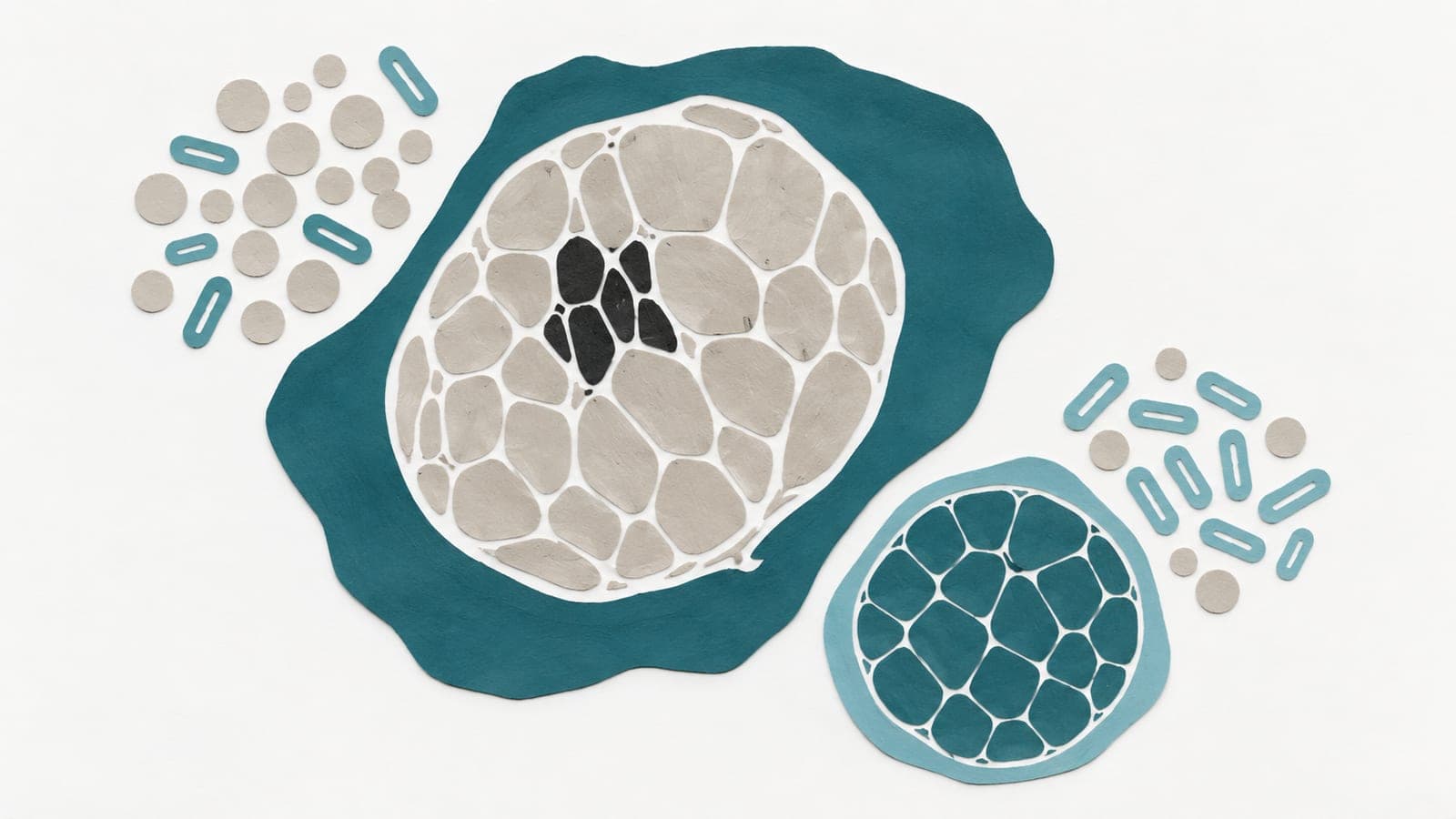
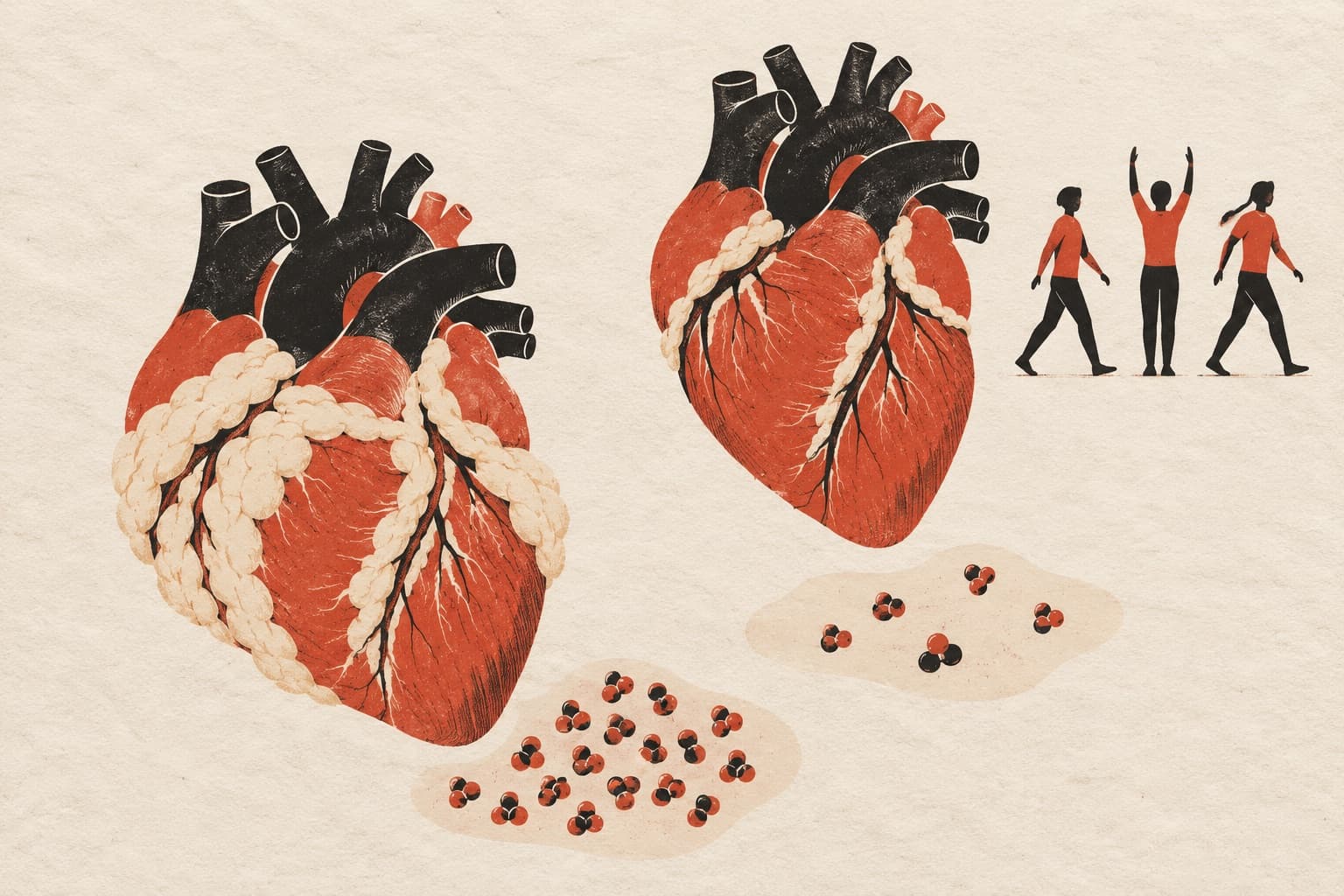
AIM: This study examined the effects of hyperthermic therapy (HT) on mice fed normal chow or a high-fat diet (HFD) for 18 or 22 weeks, undergoing four or eight weekly HT sessions. METHODS: Mice were housed within their thermoneutral zone (TNZ) to simulate a physiological response. HFD-induced obesity-related changes, including weight gain, visceral fat accumulation, muscle loss (indicative of obesity sarcopenia), glucose intolerance, and hepatic triglyceride buildup. MAIN RESULTS: HT upregulated HSP70 expression in muscles, mitigated weight gain, normalised QUICK index, and reduced plasma HSP70 concentrations. It also lowered the H-index of HSP70 balance, indicating improved immunoinflammatory status, and decreased activated caspase-1 and proliferative senescence in adipose tissue, both linked to insulin resistance. CONCLUSION: The findings suggest that even animals on a "control" diet but with insufficient physical activity and within their TNZ may experience impaired glycaemic homeostasis.
The paper
Universidade Federal do Rio Grande do Sul
Archives of Physiology and Biochemistry, 26 Sep 2024