The putative contribution of cellular senescence to driving tauopathies
Abstract
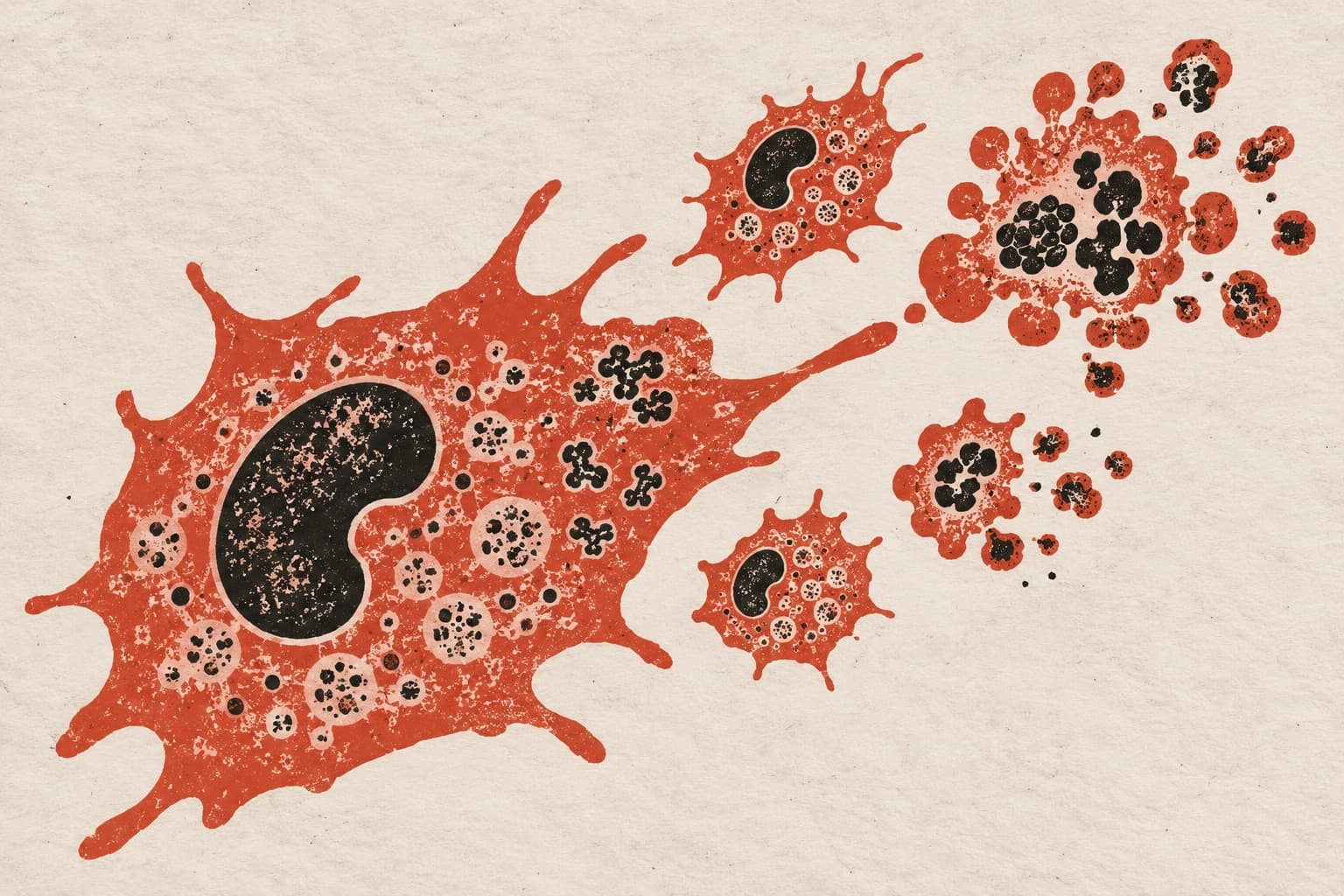
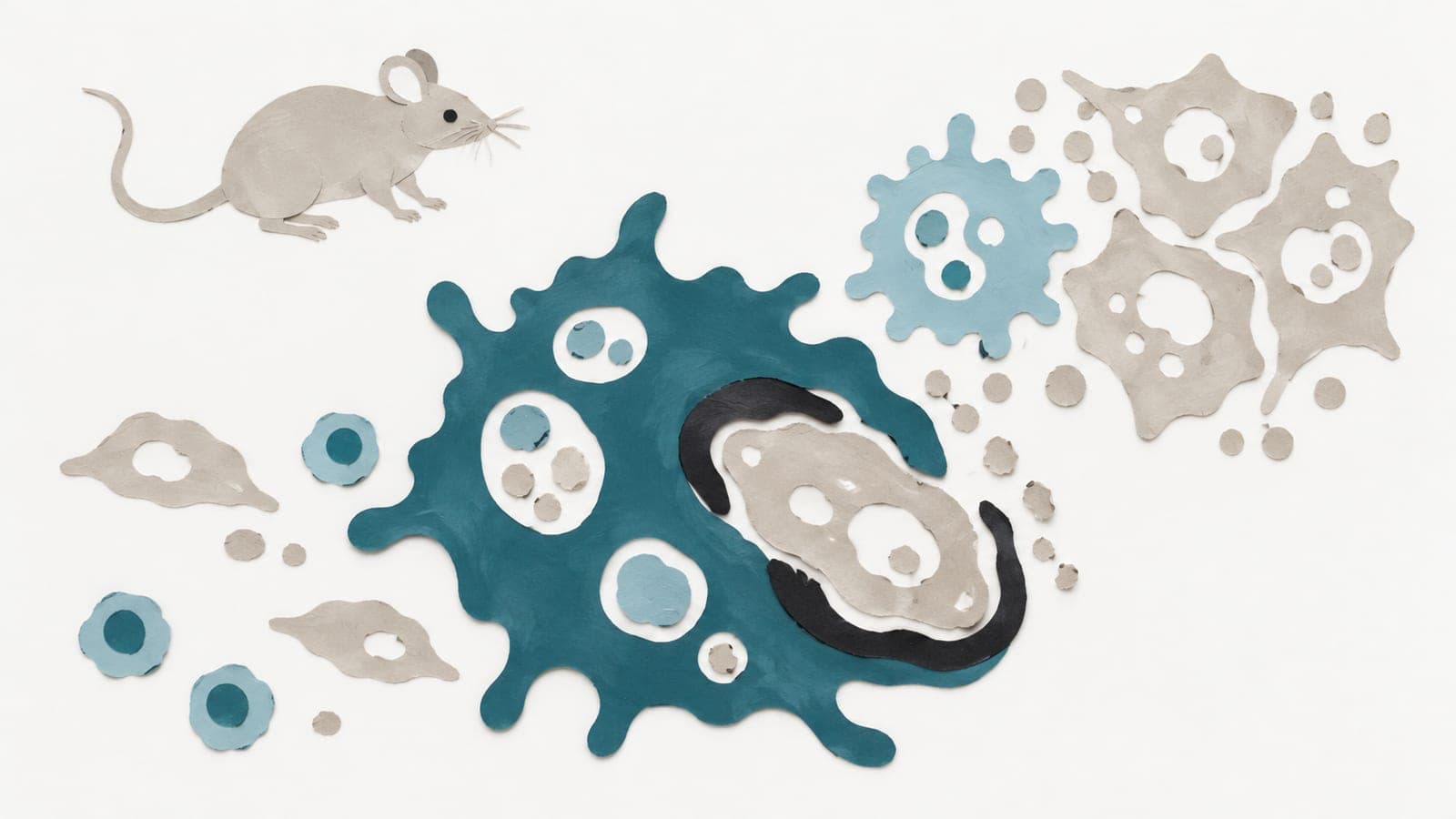
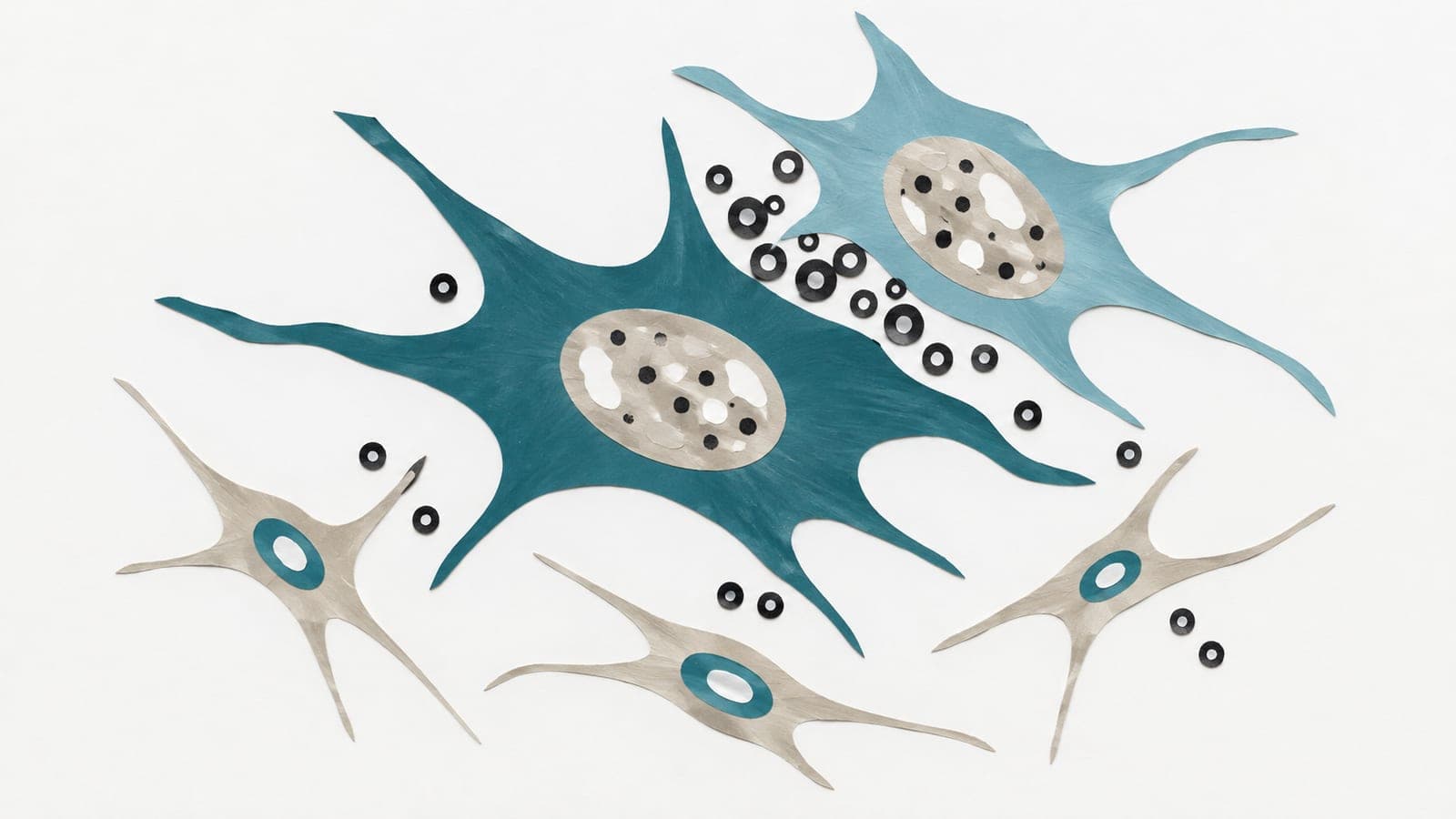
During mammalian aging, senescent cells accumulate in the body. Recent evidence suggests that senescent cells potentially contribute to age-related neurodegenerative diseases in the central nervous system (CNS), including tauopathies such as Alzheimer's disease (AD). Senescent cells undergo irreversible cell cycle arrest and release an inflammatory 'senescence-associated secretory profile' (SASP), which can exert devastating effects on surrounding cells. Senescent markers and SASP factors have been detected in multiple brain cells in tauopathies, including microglia, astrocytes, and perhaps even post-mitotic neurons, possibly contributing to the initiation as well as progression of these diseases. Here, we discuss the implications of presenting a senescent phenotype in tauopathies and highlight a potential role for the NOD-like receptor protein 3 (NLRP3) inflammasome as a newfound mechanism implicated in senescence and SASP formation.
The paper
University of Bonn; University of Cologne
Trends in Immunology, 20 Sep 2024