Cardiac NAD⁺ depletion in mice promotes hypertrophic cardiomyopathy and arrhythmias prior to impaired bioenergetics
Abstract
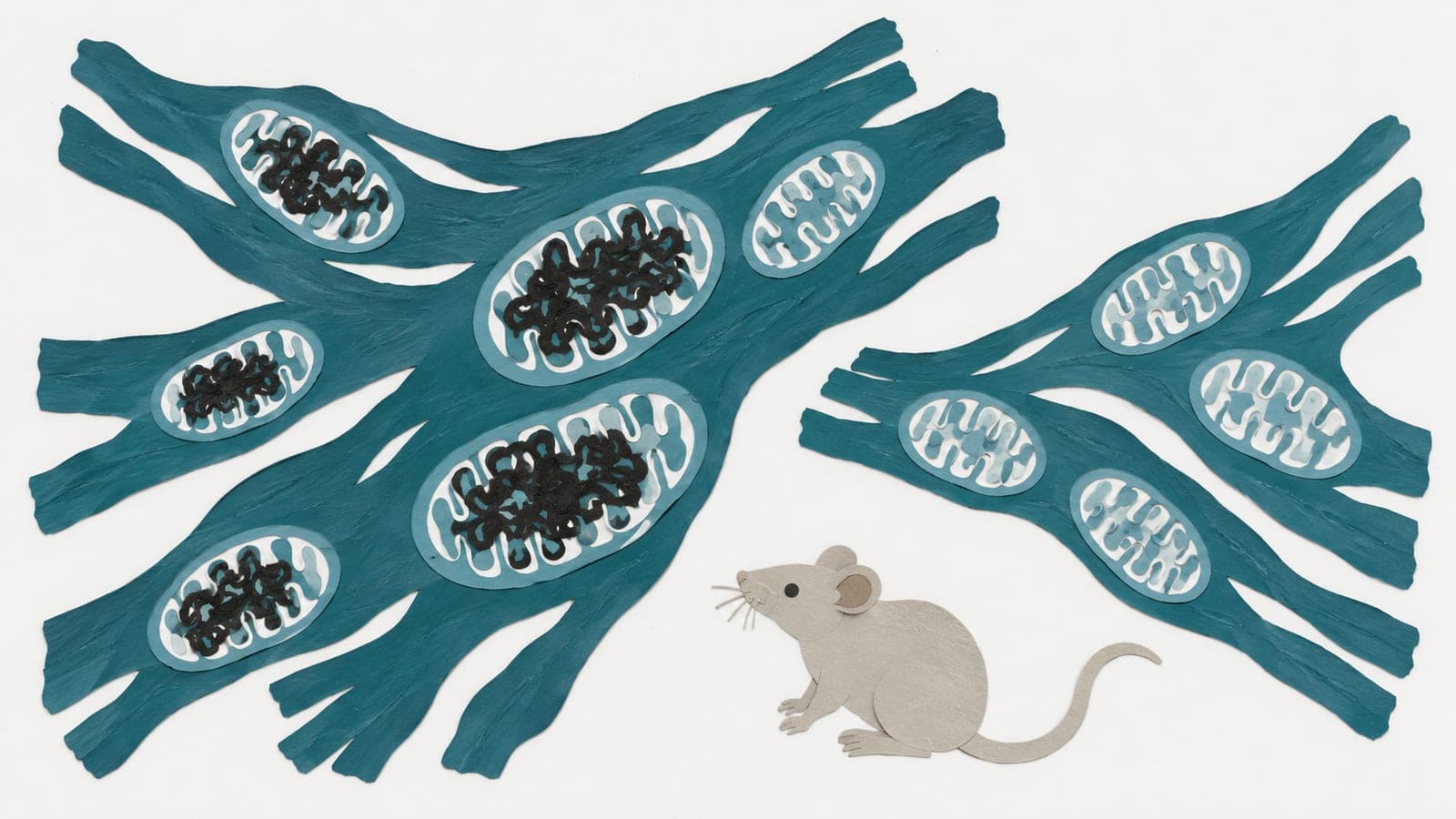
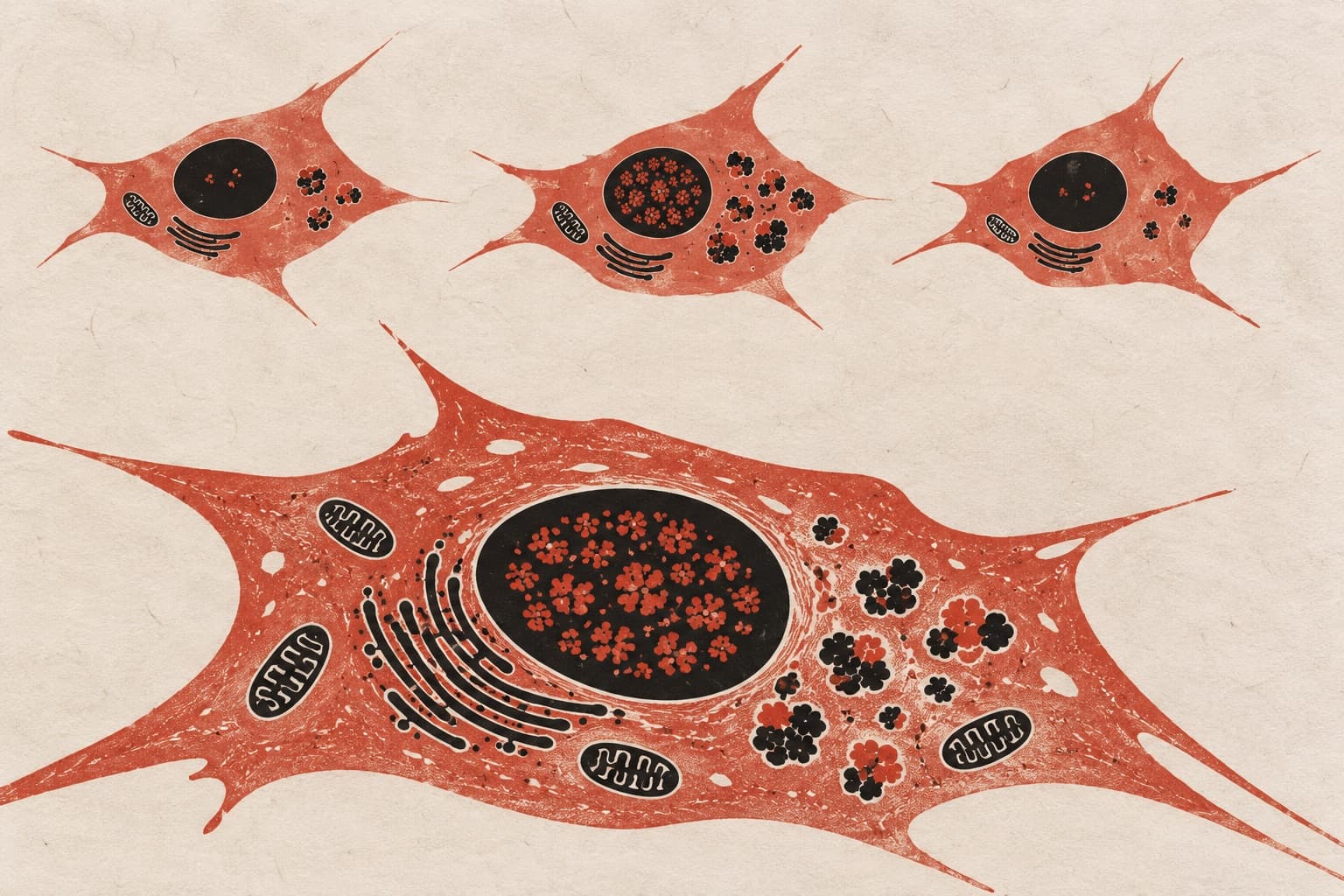
Nicotinamide adenine dinucleotide (NAD⁺) is an essential co-factor in metabolic reactions and co-substrate for signaling enzymes. Failing human hearts display decreased expression of the major NAD⁺ biosynthetic enzyme nicotinamide phosphoribosyltransferase (Nampt) and lower NAD⁺ levels, and supplementation with NAD⁺ precursors is protective in preclinical models. Here we show that Nampt loss in adult cardiomyocytes caused depletion of NAD⁺ along with marked metabolic derangements, hypertrophic remodeling and sudden cardiac deaths, despite unchanged ejection fraction, endurance and mitochondrial respiratory capacity. These effects were directly attributable to NAD⁺ loss as all were ameliorated by restoring cardiac NAD⁺ levels with the NAD⁺ precursor nicotinamide riboside (NR). Electrocardiograms revealed that loss of myocardial Nampt caused a shortening of QT intervals with spontaneous lethal arrhythmias causing sudden cardiac death. Thus, changes in NAD⁺ concentration can have a profound influence on cardiac physiology even at levels sufficient to maintain energetics.
The paper
University of Pennsylvania
Nature Cardiovascular Research, 18 Sep 2024