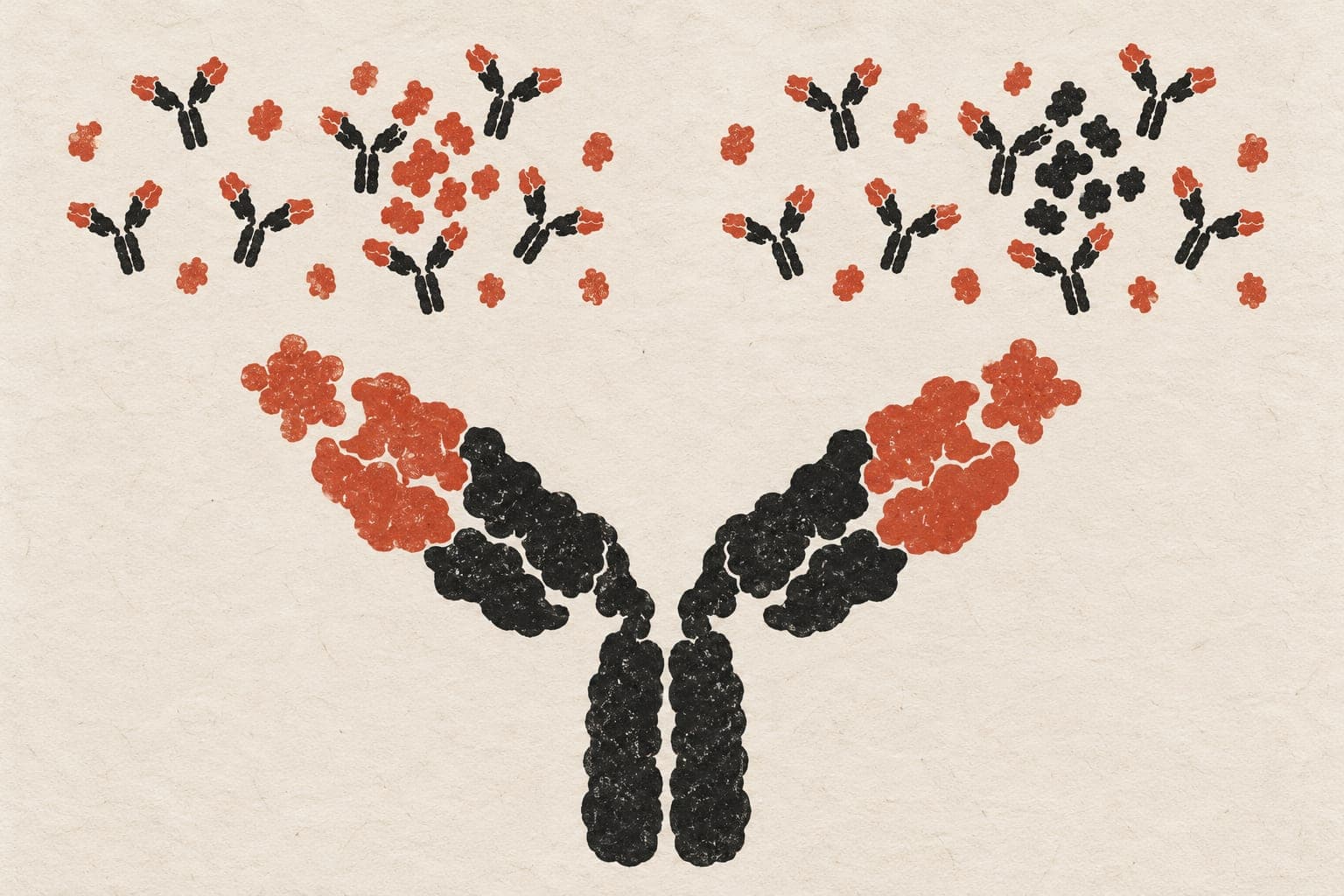
Immunological memory diversity in the human upper airway
Abstract
The upper airway is an important site of infection, but immune memory in the human upper airway is poorly understood, with implications for COVID-19 and many other human diseases¹⁻⁴. Here we demonstrate that nasal and nasopharyngeal swabs can be used to obtain insights into these challenging problems, and define distinct immune cell populations, including antigen-specific memory B cells and T cells, in two adjacent anatomical sites in the upper airway. Upper airway immune cell populations seemed stable over time in healthy adults undergoing monthly swabs for more than 1 year, and prominent tissue resident memory T (TRM) cell and B (BRM) cell populations were defined. Unexpectedly, germinal centre cells were identified consistently in many nasopharyngeal swabs. In subjects with SARS-CoV-2 breakthrough infections, local virus-specific BRM cells, plasma cells and germinal centre B cells were identified, with evidence of local priming and an enrichment of IgA⁺ memory B cells in upper airway compartments compared with blood. Local plasma cell populations were identified with transcriptional profiles of longevity. Local virus-specific memory CD4⁺ TRM cells and CD8⁺ TRM cells were identified, with diverse additional virus-specific T cells. Age-dependent upper airway immunological shifts were observed. These findings provide new understanding of immune memory at a principal mucosal barrier tissue in humans.
The paper
La Jolla Institute for Immunology
Nature, 31 Jul 2024
doi.org/10.1038/s41586-024-07748-8PubMed 39085605
Corrected, 16 Dec 2024