H3K36 methyltransferase NSD1 protects against osteoarthritis through regulating chondrocyte differentiation and cartilage homeostasis
Abstract
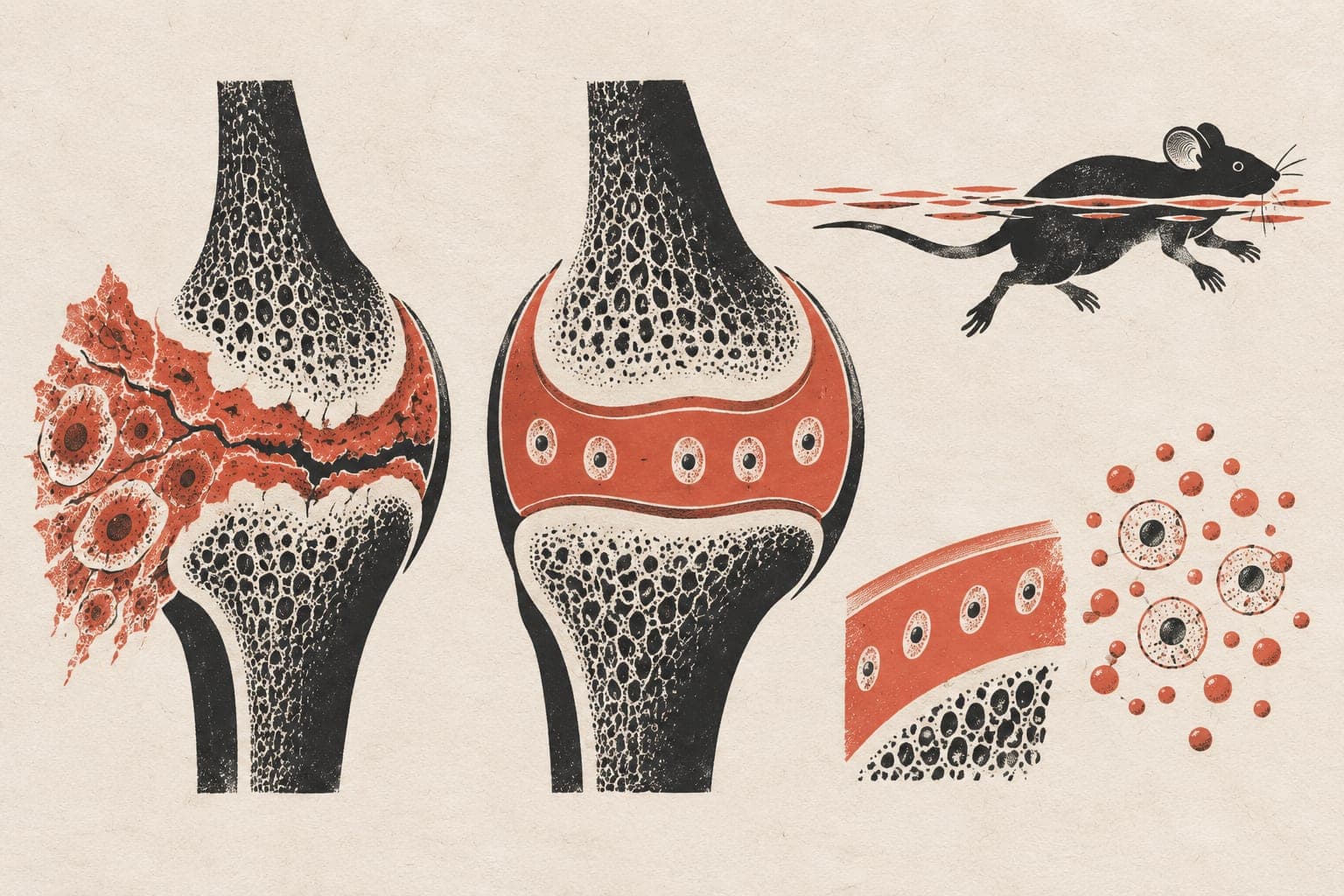
Osteoarthritis (OA) is one of the most common joint diseases, there are no effective disease-modifying drugs, and the pathological mechanisms of OA need further investigation. Here, we show that H3K36 methylations were decreased in senescent chondrocytes and age-related osteoarthritic cartilage. Prrx1-Cre inducible H3.3K36M transgenic mice showed articular cartilage destruction and osteophyte formation. Conditional knockout Nsd1Prrx1-Cre mice, but not Nsd2Prrx1-Cre or Setd2Prrx1-Cre mice, replicated the phenotype of K36M/+; Prrx1-Cre mice. Immunostaining results showed decreased anabolic and increased catabolic activities in Nsd1Prrx1-Cre mice, along with decreased chondrogenic differentiation. Transcriptome and ChIP-seq data revealed that Osr2 was a key factor affected by Nsd1. Intra-articular delivery of Osr2 adenovirus effectively improved the homeostasis of articular cartilage in Nsd1Prrx1-Cre mice. In human osteoarthritic cartilages, both mRNA and protein levels of NSD1 and OSR2 were decreased. Our results indicate that NSD1-induced H3K36 methylations and OSR2 expression play important roles in articular cartilage homeostasis and OA. Targeting H3K36 methylation and OSR2 would be a novel strategy for OA treatment.
The paper
Shanghai Jiao Tong University
Cell Death and Differentiation, 27 Nov 2023, Open access, accepted manuscript