C. elegans S6K Mutants Require a Creatine-Kinase-like Effector for Lifespan Extension
Abstract
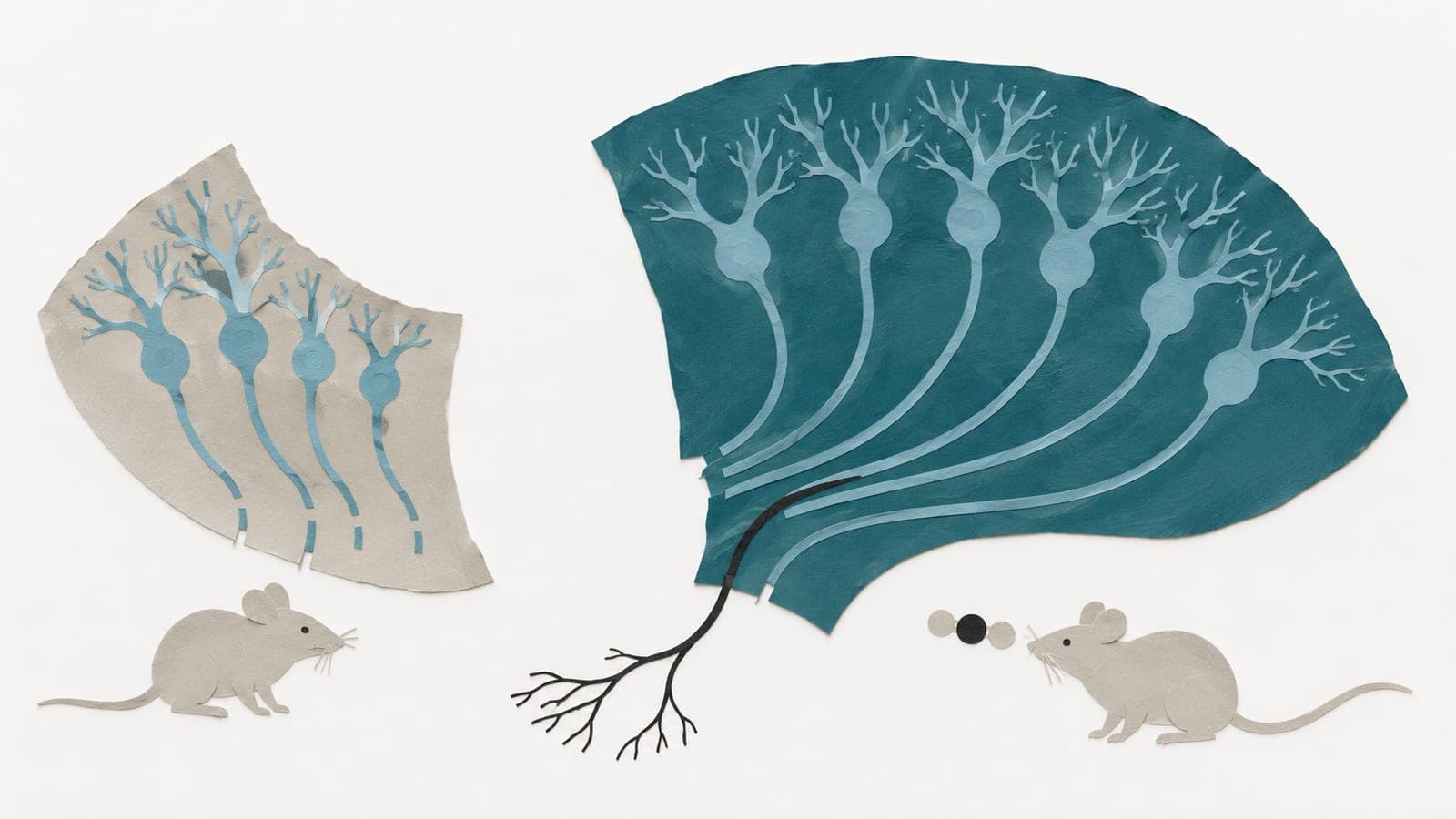
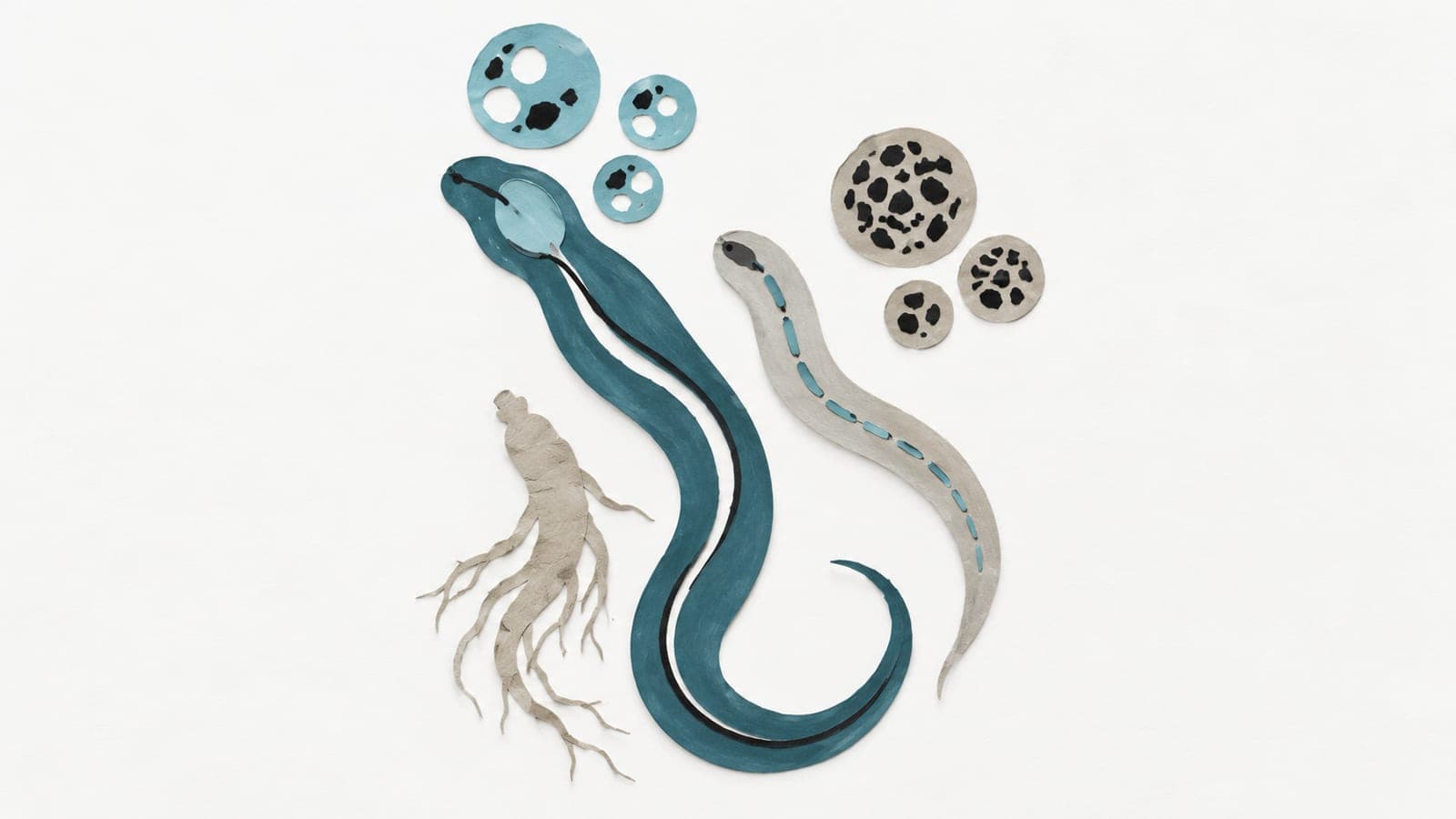
Deficiency of S6 kinase (S6K) extends the lifespan of multiple species, but the underlying mechanisms are unclear. To discover potential effectors of S6K-mediated longevity, we performed a proteomics analysis of long-lived rsks-1/S6K C. elegans mutants compared to wild-type animals. We identified the arginine kinase ARGK-1 as the most significantly enriched protein in rsks-1/S6K mutants. ARGK-1 is an ortholog of mammalian creatine kinase, which maintains cellular ATP levels. We found that argk-1 is possibly a selective effector of rsks-1/S6K-mediated longevity and that overexpression of ARGK-1 extends C. elegans lifespan, in part by activating the energy sensor AAK-2/AMPK. argk-1 is also required for the reduced body size and increased stress resistance observed in rsks-1/S6K mutants. Finally, creatine kinase levels are increased in the brains of S6K1 knockout mice. Our study identifies ARGK-1 as a longevity effector in C. elegans with reduced RSKS-1/S6K levels.
The paper
Sanford Burnham Prebys Medical Discovery Institute
Cell Reports, 25 Feb 2016, Open access