Inorganic Phosphate Activates the AKT/mTORC1 Pathway and Shortens the Life Span of an α‑Klotho-Deficient Model
Abstract
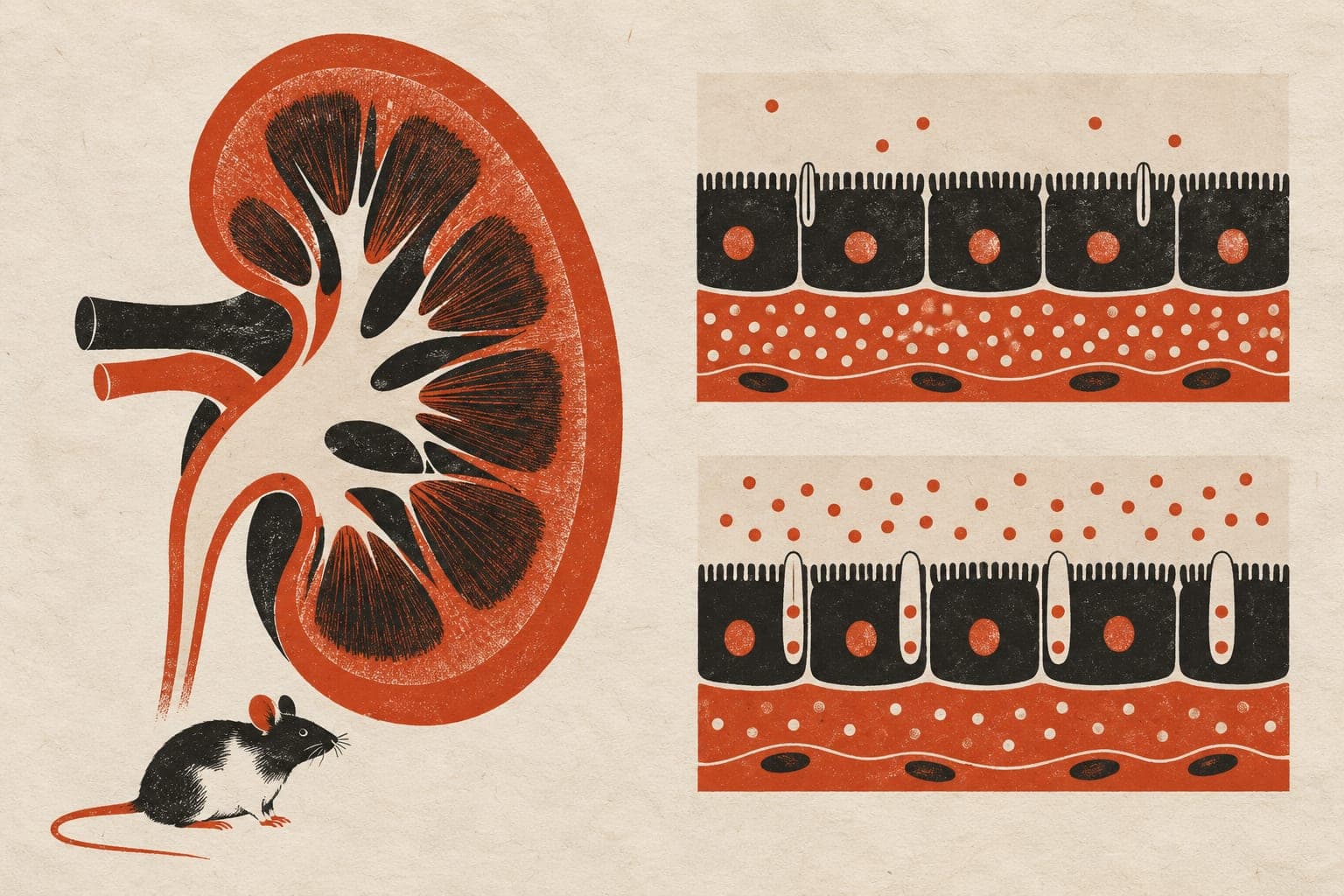
Inorganic phosphate (Pi) has been implicated in the pathogenesis of accelerated aging; however, the underlying mechanisms remain elusive. Herein, we demonstrated in cultured cells and in vivo that increased levels of extracellular Pi activated the AKT/mammalian target of rapamycin complex 1 (mTORC1) pathway by suppressing membrane-bound phosphatase and tensin homolog (PTEN) levels in a manner requiring the sodium-dependent Pi transporter PiT‑1. High levels of extracellular Pi also led to phosphorylation of Ser/Thr clusters in the C‑terminal tail of PTEN, which has been shown to dissociate PTEN from the membrane. Notably, blockade of mTORC1 activity by rapamycin treatment prolonged the life span of hyperphosphatemic α‑Klotho-deficient (Kl(-/-)) mice. Dietary correction of hyperphosphatemia or treatment with rapamycin also rescued the brown adipose tissue dysfunction and oxidative damage observed in Kl(-/-) mice. Furthermore, rapamycin treatment partially rescued these effects and extended the life span when Kl(-/-) mice were maintained on a high-phosphate diet. Finally, rapamycin reduced circulating Pi levels in Kl(-/-) mice, apparently by decreasing the localization of sodium-dependent Pi transport protein 2a at the renal brush border membrane. Therefore, the activation of mTORC1 may create a vicious loop that exacerbates the retention of Pi, which in turn may enhance oxidative damage and ultimately shorten the life span of Kl(-/-) mice. These results demonstrate that Pi has important roles in the aging process, and the blockade of mTORC1 may have therapeutic potential for premature aging-like symptoms associated with hyperphosphatemia.
The paper
Osaka Women's and Children's Hospital
Journal of the American Society of Nephrology, 12 Feb 2016