The antiaging activity and cerebral protection of rapamycin at micro-doses
Abstract
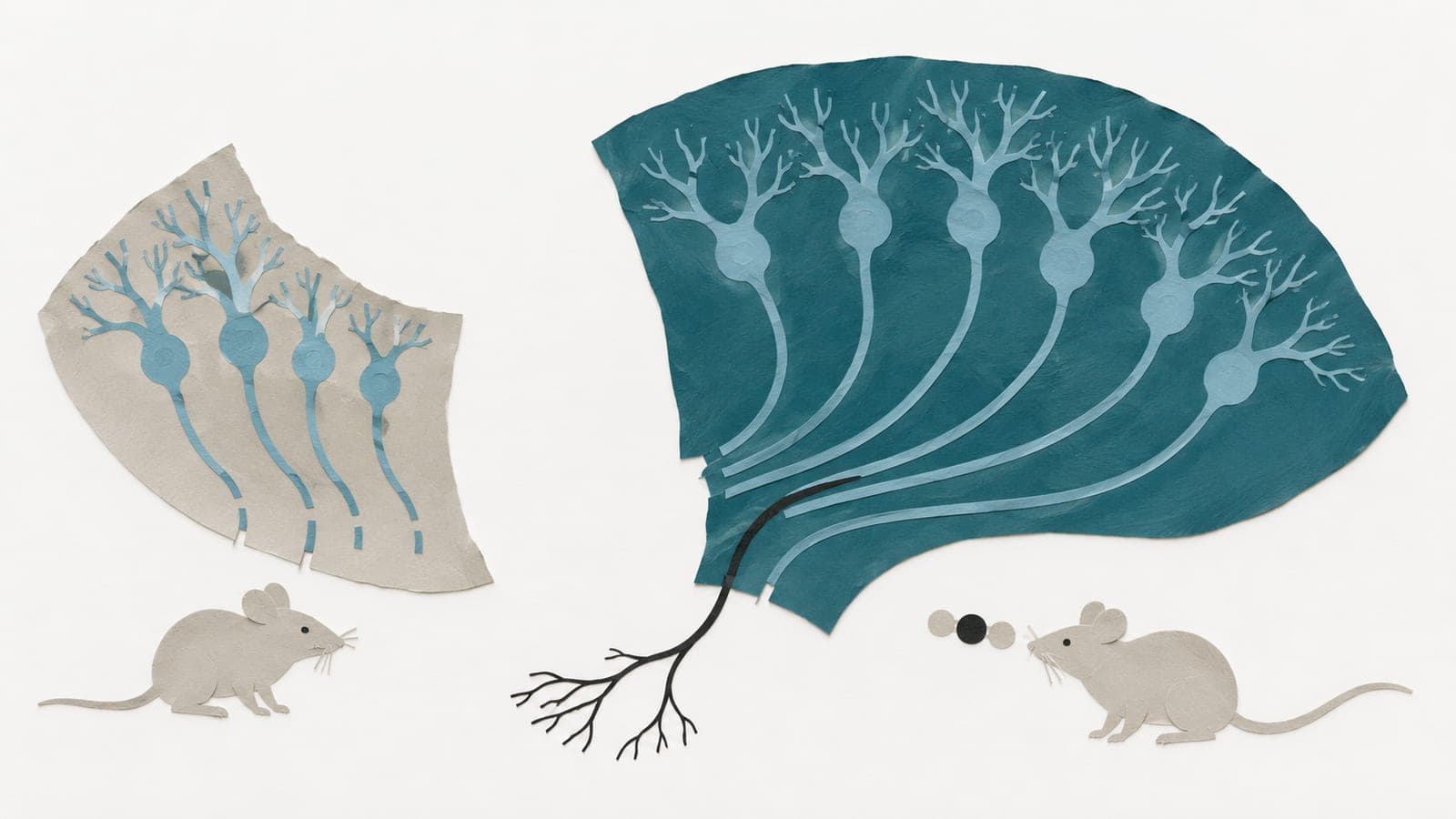
BACKGROUND AND PURPOSE: The immunosuppressant drug rapamycin was reported to have an antiaging activity, which was attributed to the TORC1 inhibition that inhibits cell proliferation and increases autophagy. However, rapamycin also exhibits a number of harmful adverse effects. Whether rapamycin can be developed into an antiaging agent remains unclear. METHODS AND RESULTS: We demonstrated that rapamycin at micro-doses (below the TORC1 inhibiting concentration) exhibits a cell-protective activity: (1) It protects cultured neurons against neurotoxin MPP(+) and H2O2. (2) It increases survival time of neuron in culture. (3) It maintains the nonproliferative state of cultured senescent human fibroblasts and prevents cell death induced by telomere dysfunction. (4) In animal models, it decreased the cerebral infarct sizes induced by acute ischemia and dramatically extended the life span of stroke prone spontaneously hypertensive rats (SHR-SPs). CONCLUSION: We propose that rapamycin at micro-dose can be developed into an antiaging agent with a novel mechanism.
The paper
Springcell Corporation Dayton NJ USA; Second Military Medical University
CNS Neuroscience & Therapeutics, 1 Nov 2014, Open access