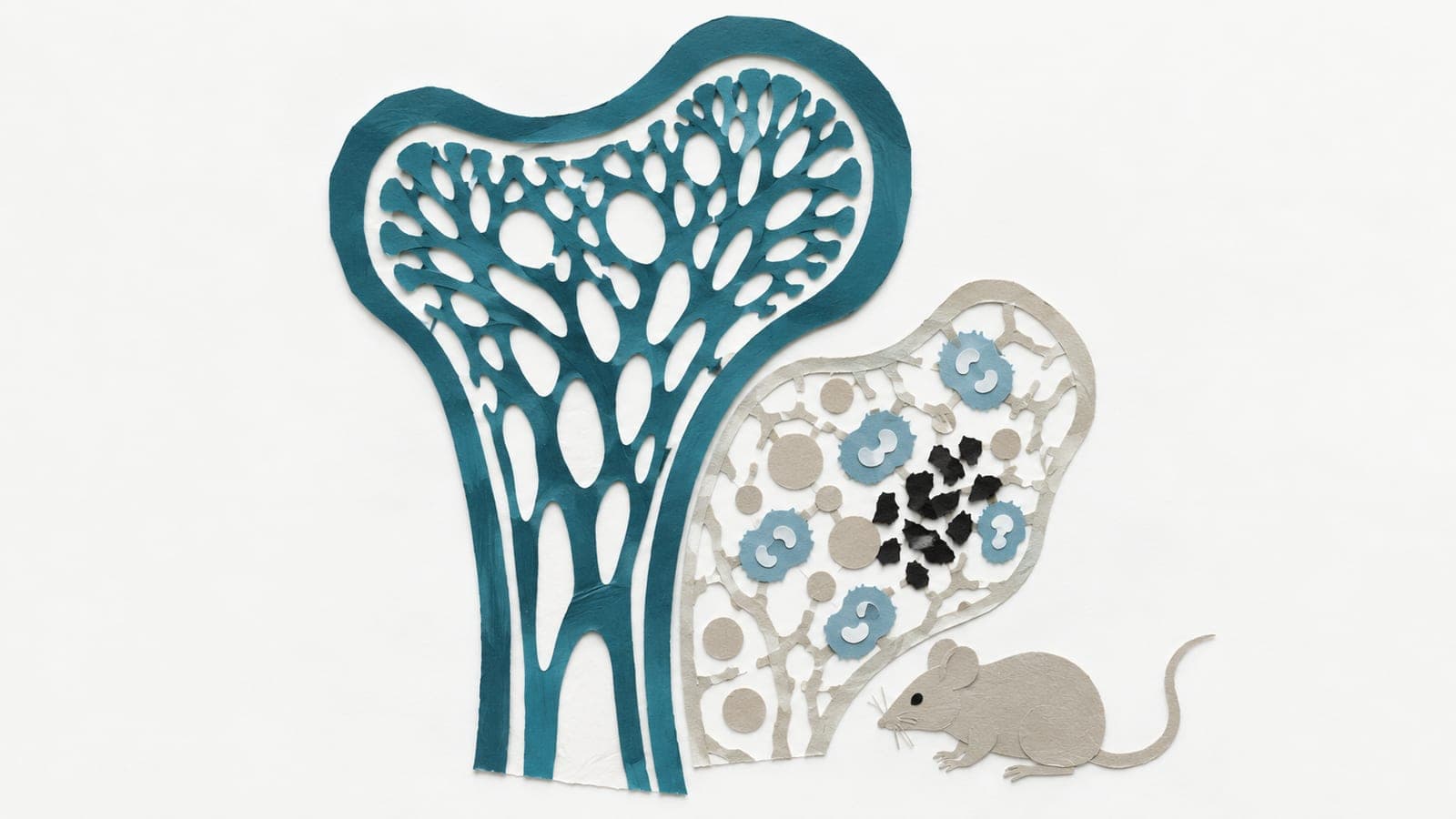
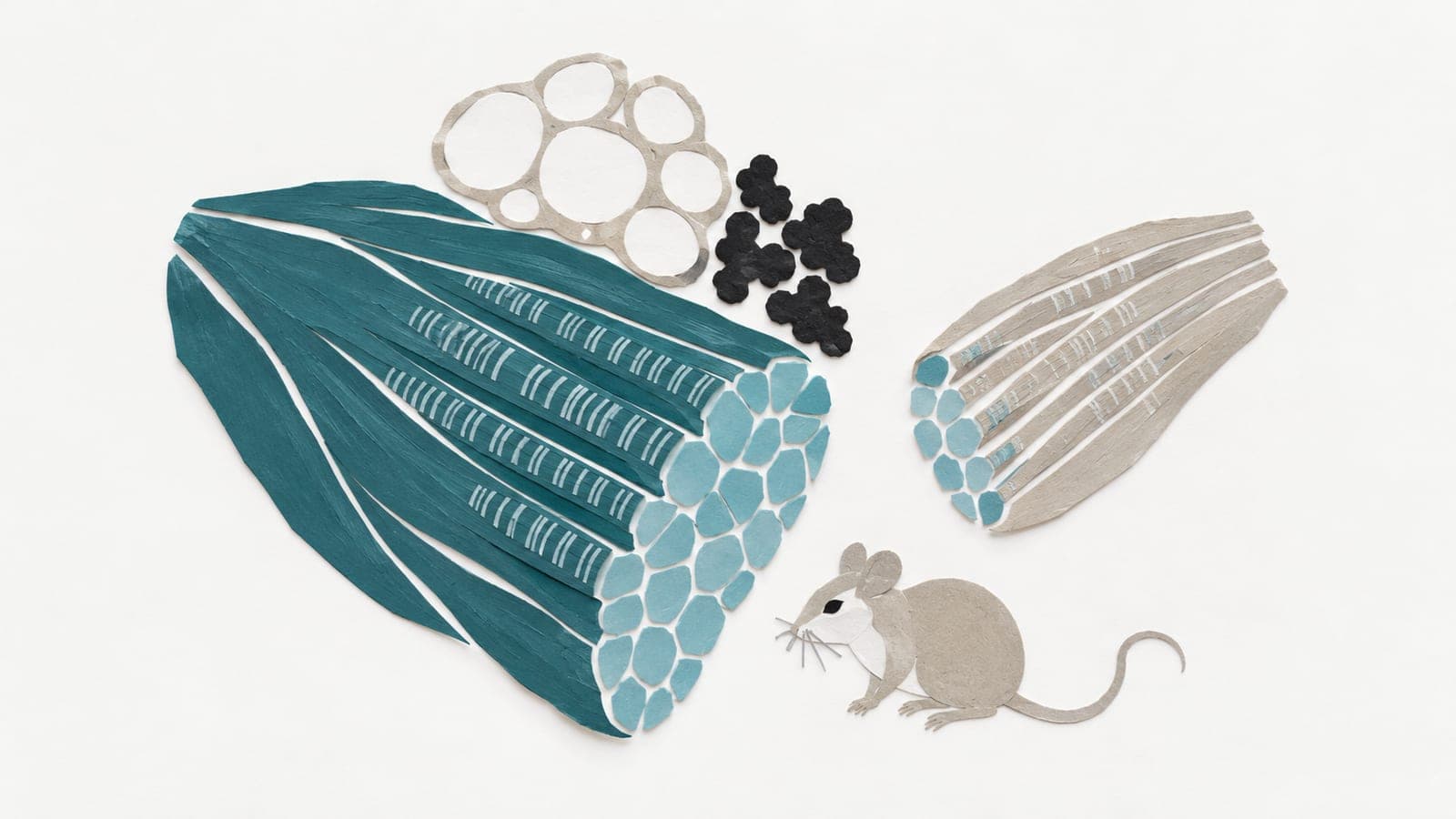
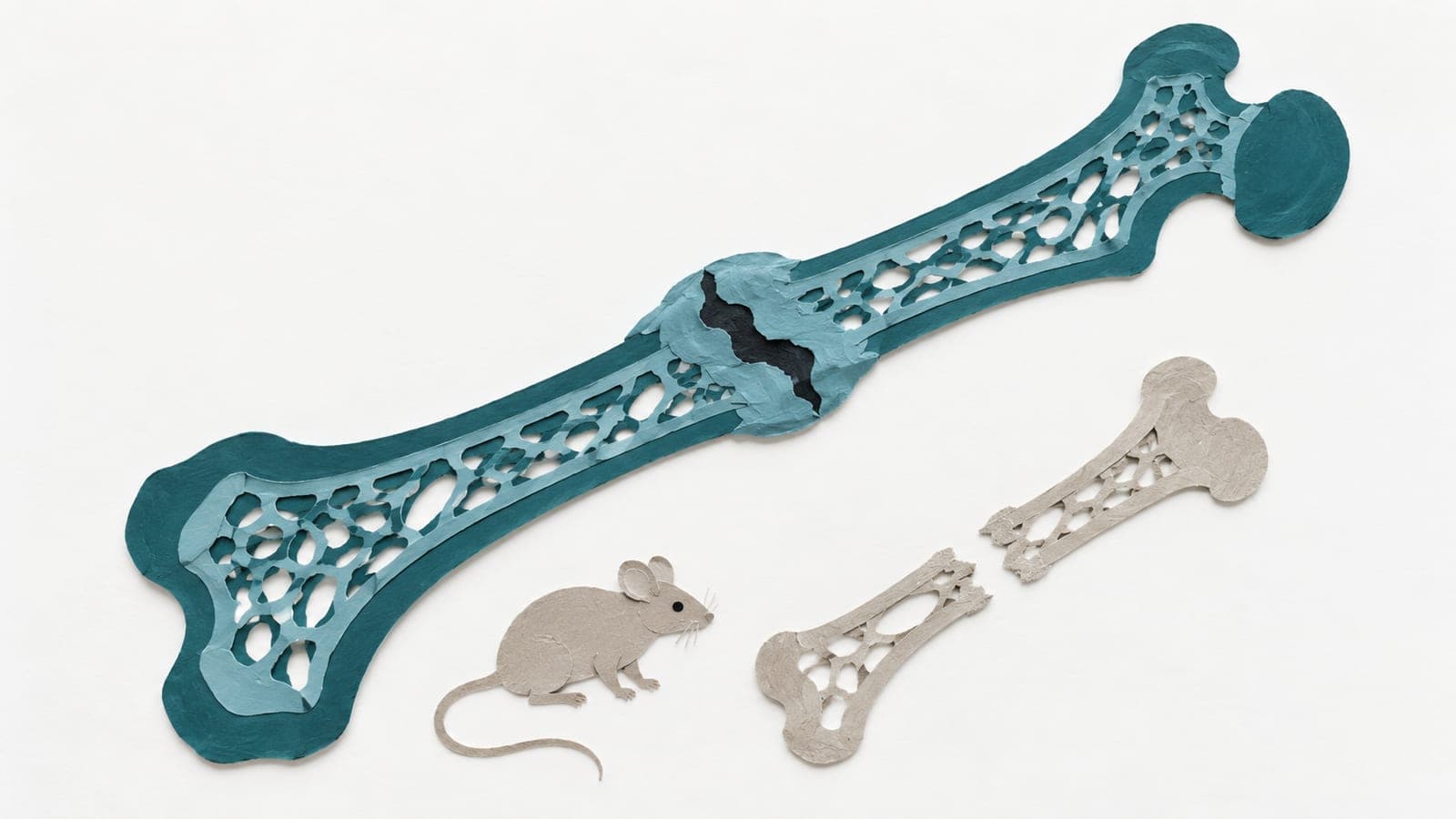
SRT2104 extends survival of male mice on a standard diet and preserves bone and muscle mass
Abstract
Increased expression of SIRT1 extends the lifespan of lower organisms and delays the onset of age-related diseases in mammals. Here, we show that SRT2104, a synthetic small molecule activator of SIRT1, extends both mean and maximal lifespan of mice fed a standard diet. This is accompanied by improvements in health, including enhanced motor coordination, performance, bone mineral density, and insulin sensitivity associated with higher mitochondrial content and decreased inflammation. Short-term SRT2104 treatment preserves bone and muscle mass in an experimental model of atrophy. These results demonstrate it is possible to design a small molecule that can slow aging and delay multiple age-related diseases in mammals, supporting the therapeutic potential of SIRT1 activators in humans.
From the paper
- Animals
In the SRT2104 group, 14 mice were censored due to vets orders (n = 2; 74 weeks age, 97 weeks age), prolapsed anus (n = 1; 79 weeks age), or experimental procedures (n = 11; 40 weeks age, 115 weeks age), leaving 86 mice for the survival analysis.
Quoted word for word from the full text on PubMed Central.
The paper
National Institutes of Health
Aging Cell, 16 Jun 2014, Open access