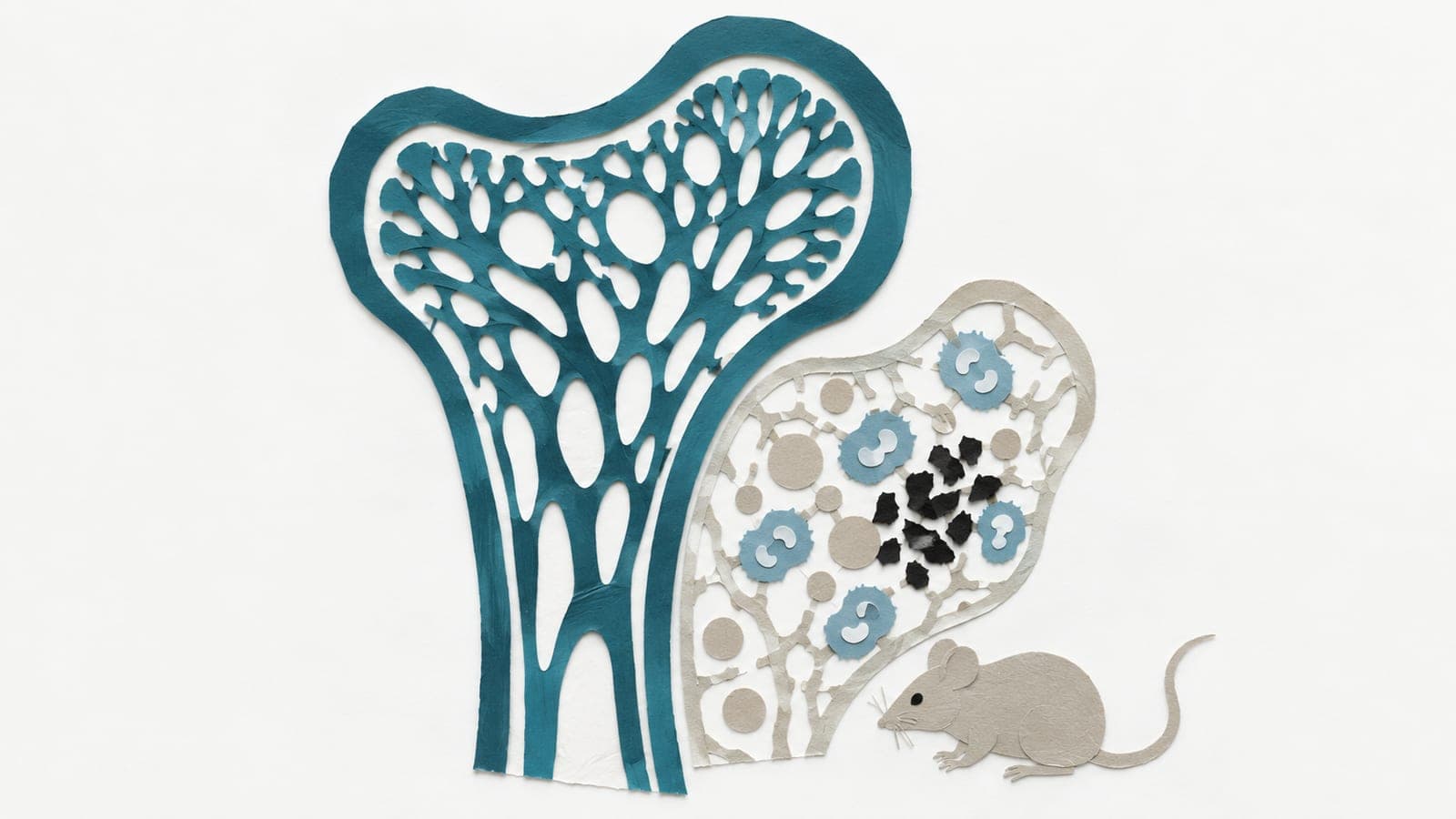
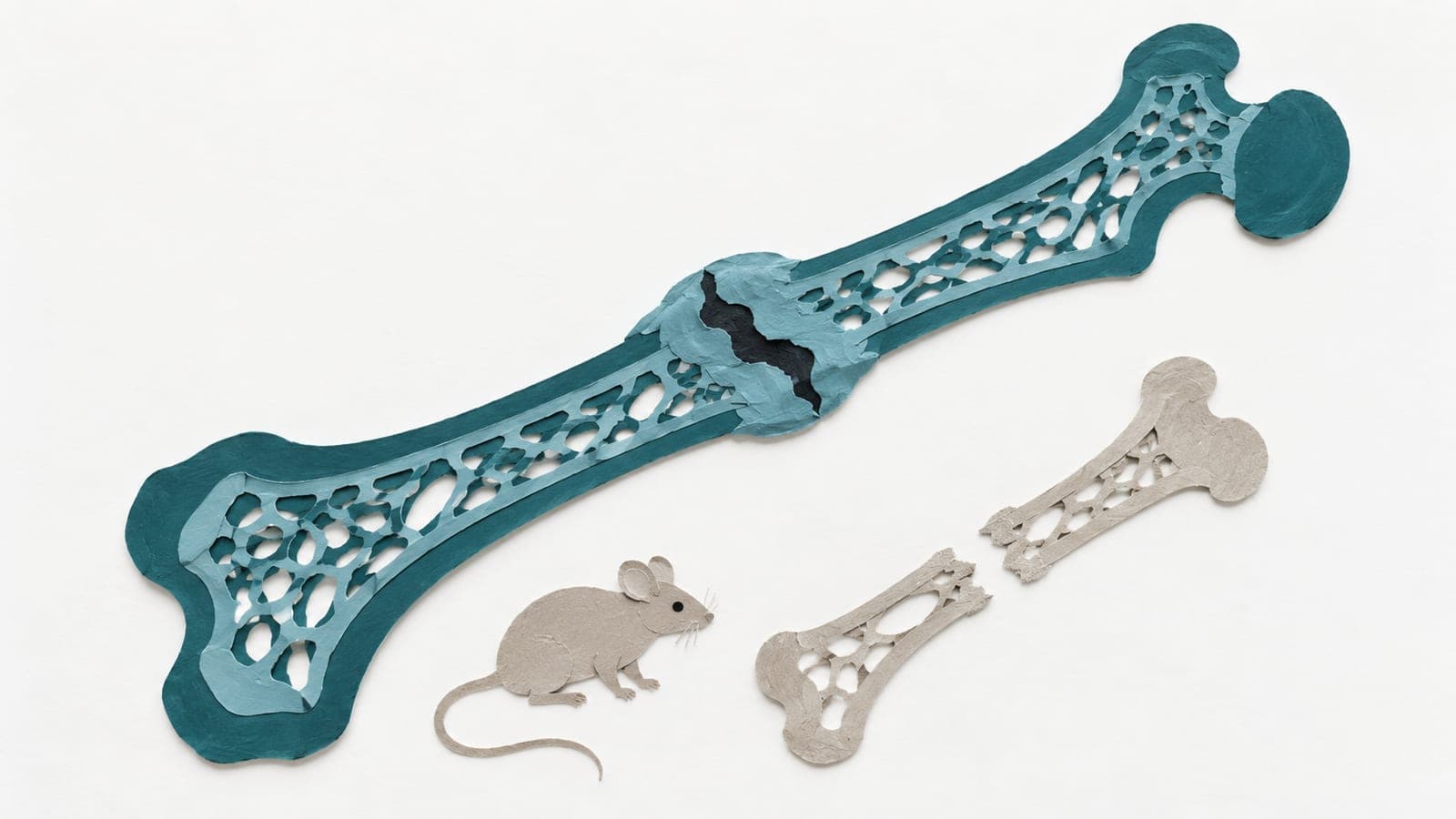
The SIRT1 activator SRT1720 extends lifespan and improves health of mice fed a standard diet
Abstract
The prevention or delay of the onset of age-related diseases prolongs survival and improves quality of life while reducing the burden on the health care system. Activation of sirtuin 1 (SIRT1), an NAD(+)-dependent deacetylase, improves metabolism and confers protection against physiological and cognitive disturbances in old age. SRT1720 is a specific SIRT1 activator that has health and lifespan benefits in adult mice fed a high-fat diet. We found extension in lifespan, delayed onset of age-related metabolic diseases, and improved general health in mice fed a standard diet after SRT1720 supplementation. Inhibition of proinflammatory gene expression in both liver and muscle of SRT1720-treated animals was noted. SRT1720 lowered the phosphorylation of NF-κB pathway regulators in vitro only when SIRT1 was functionally present. Combined with our previous work, the current study further supports the beneficial effects of SRT1720 on health across the lifespan in mice.
From the paper
- Result
The hazard ratio for death was significantly reduced with SRT1720 treatment (HR=0.73, 95% CI (0.59, 0.90)], p=0.0034), indicating a positive effect of SRT1720 on improving lifespan in mice.
Quoted word for word from the full text on PubMed Central.
The paper
The University of Sydney; National Institutes of Health
Cell Reports, 27 Feb 2014, Open access