Combined treatment of rapamycin and dietary restriction has a larger effect on the transcriptome and metabolome of liver
Abstract
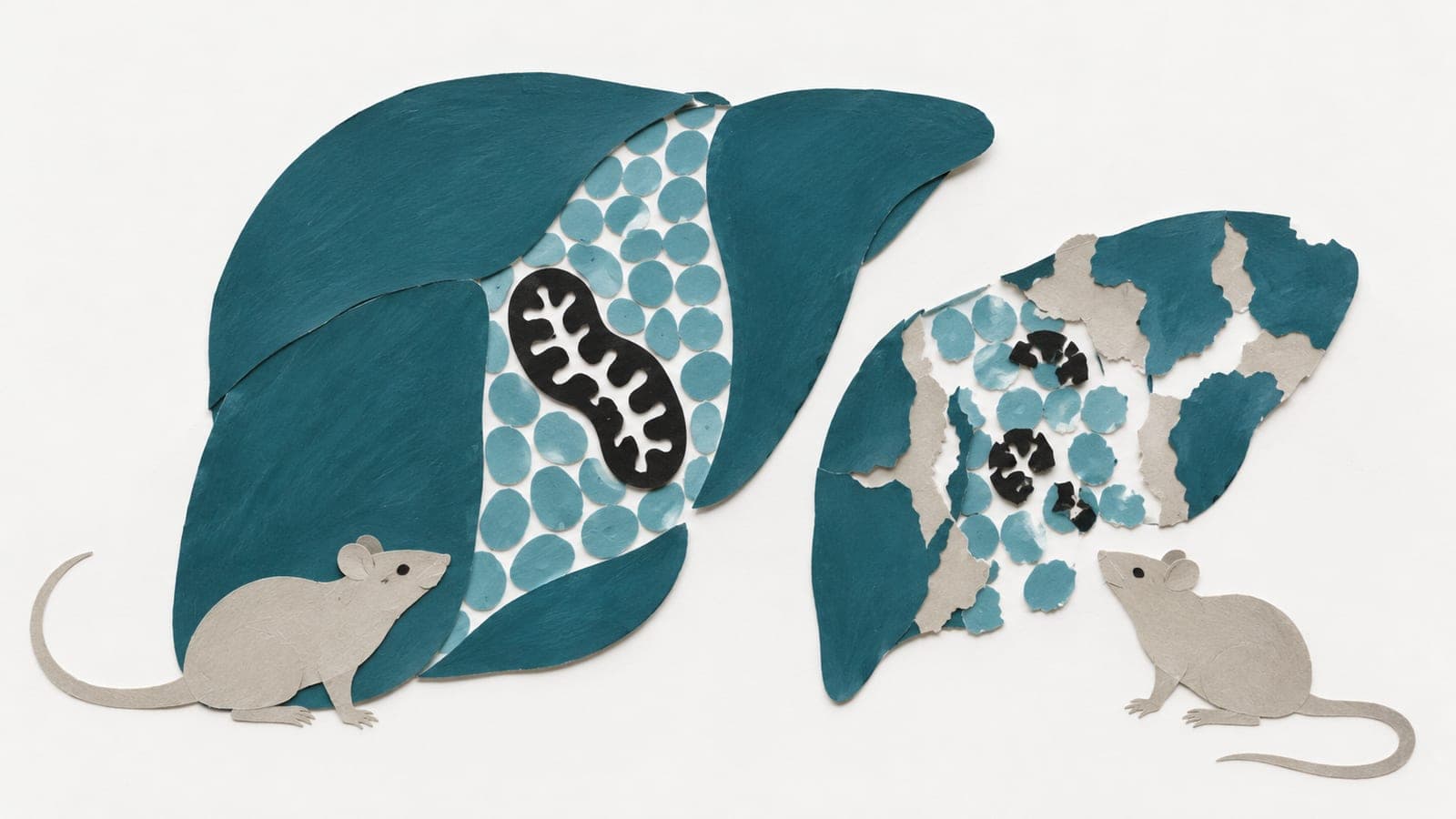
Rapamycin (Rapa) and dietary restriction (DR) have consistently been shown to increase lifespan. To investigate whether Rapa and DR affect similar pathways in mice, we compared the effects of feeding mice ad libitum (AL), Rapa, DR, or a combination of Rapa and DR (Rapa + DR) on the transcriptome and metabolome of the liver. The principal component analysis shows that Rapa and DR are distinct groups. Over 2500 genes are significantly changed with either Rapa or DR when compared with mice fed AL; more than 80% are unique to DR or Rapa. A similar observation was made when genes were grouped into pathways; two-thirds of the pathways were uniquely changed by DR or Rapa. The metabolome shows an even greater difference between Rapa and DR; no metabolites in Rapa-treated mice were changed significantly from AL mice, whereas 173 metabolites were changed in the DR mice. Interestingly, the number of genes significantly changed by Rapa + DR when compared with AL is twice as large as the number of genes significantly altered by either DR or Rapa alone. In summary, the global effects of DR or Rapa on the liver are quite different and a combination of Rapa and DR results in alterations in a large number of genes and metabolites that are not significantly changed by either manipulation alone, suggesting that a combination of DR and Rapa would be more effective in extending longevity than either treatment alone.
From the paper
- Events by group
… the 2558 genes up-regulated by Rapa + DR constituted 86% of all significantly up-regulated genes compared to 55% for DR and 27% for Rapa.
Quoted word for word from the full text on PubMed Central.
The paper
The University of Texas at San Antonio Health Science Center; Oregon State University
Aging Cell, 5 Dec 2013, Open access