Overexpression of Mn superoxide dismutase does not increase life span in mice
Abstract
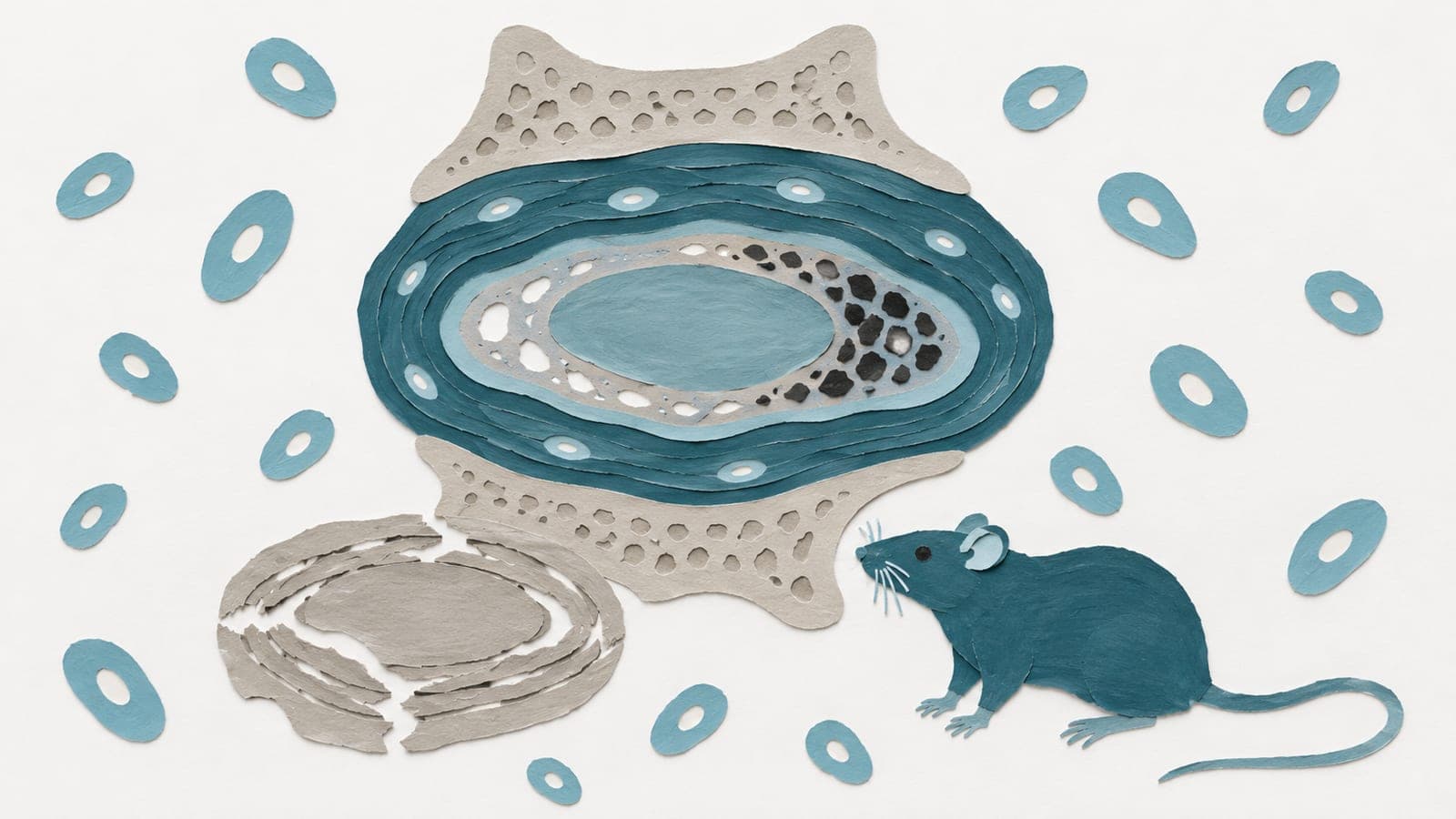
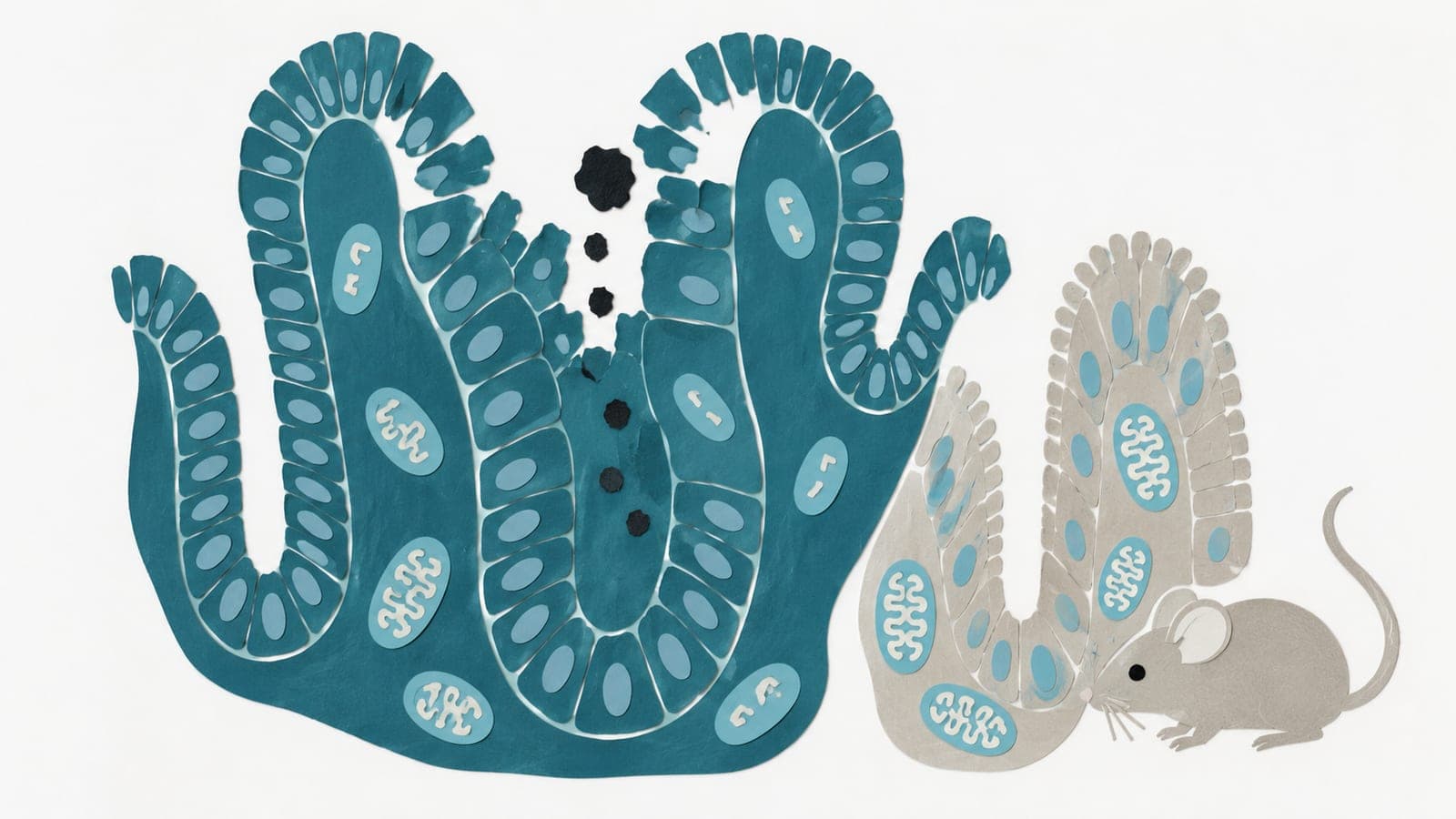
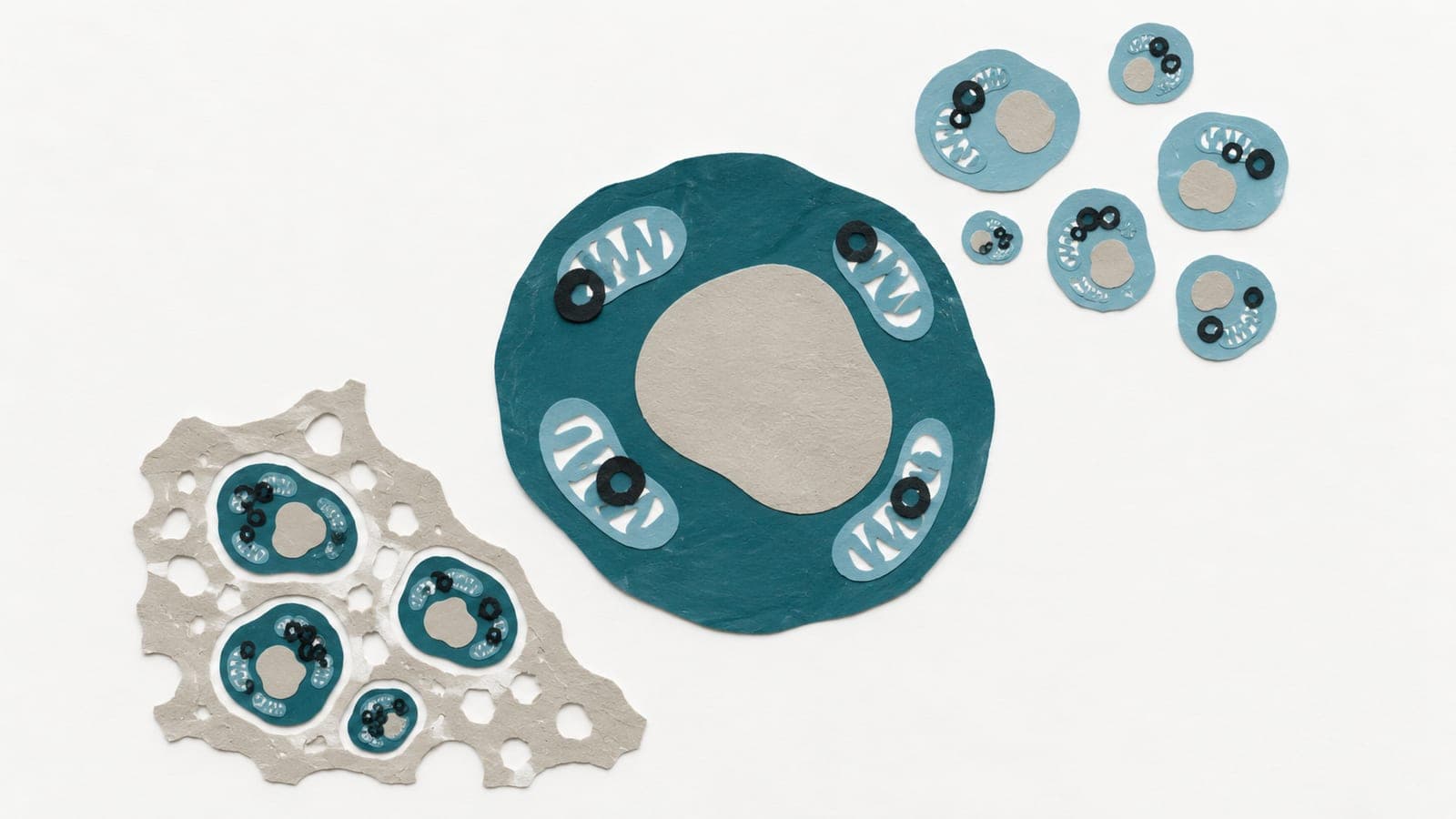
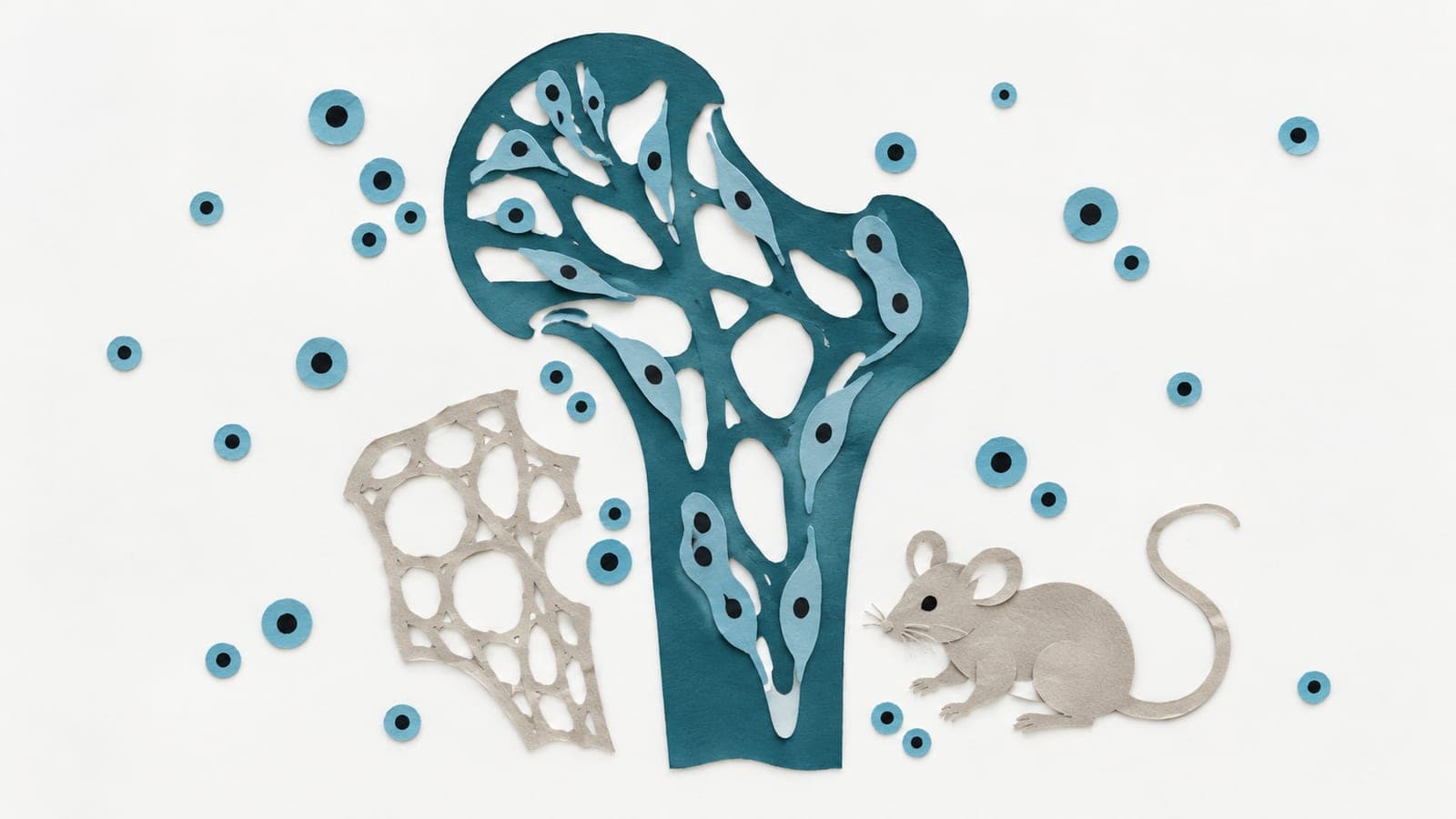
Genetic manipulations of Mn superoxide dismutase (MnSOD), SOD2 expression have demonstrated that altering the level of MnSOD activity is critical for cellular function and life span in invertebrates. In mammals, Sod2 homozygous knockout mice die shortly after birth, and alterations of MnSOD levels are correlated with changes in oxidative damage and in the generation of mitochondrial reactive oxygen species. In this study, we directly tested the effects of overexpressing MnSOD in young (4-6 months) and old (26-28 months) mice on mitochondrial function, levels of oxidative damage or stress, life span, and end-of-life pathology. Our data show that an approximately twofold overexpression of MnSOD throughout life in mice resulted in decreased lipid peroxidation, increased resistance against paraquat-induced oxidative stress, and decreased age-related decline in mitochondrial ATP production. However, this change in MnSOD expression did not alter either life span or age-related pathology.
The paper
The University of Texas at San Antonio Health Science Center; South Texas Veterans Health Care System
The Journals of Gerontology, Series A, 24 Jul 2009, Open access