Metformin Stabilizes the Abdominal Aorta in Aneurysm by Restoring VSMC Mitochondrial Homeostasis via the AMPK–SIRT1–PGC-1α Axis
Abstract
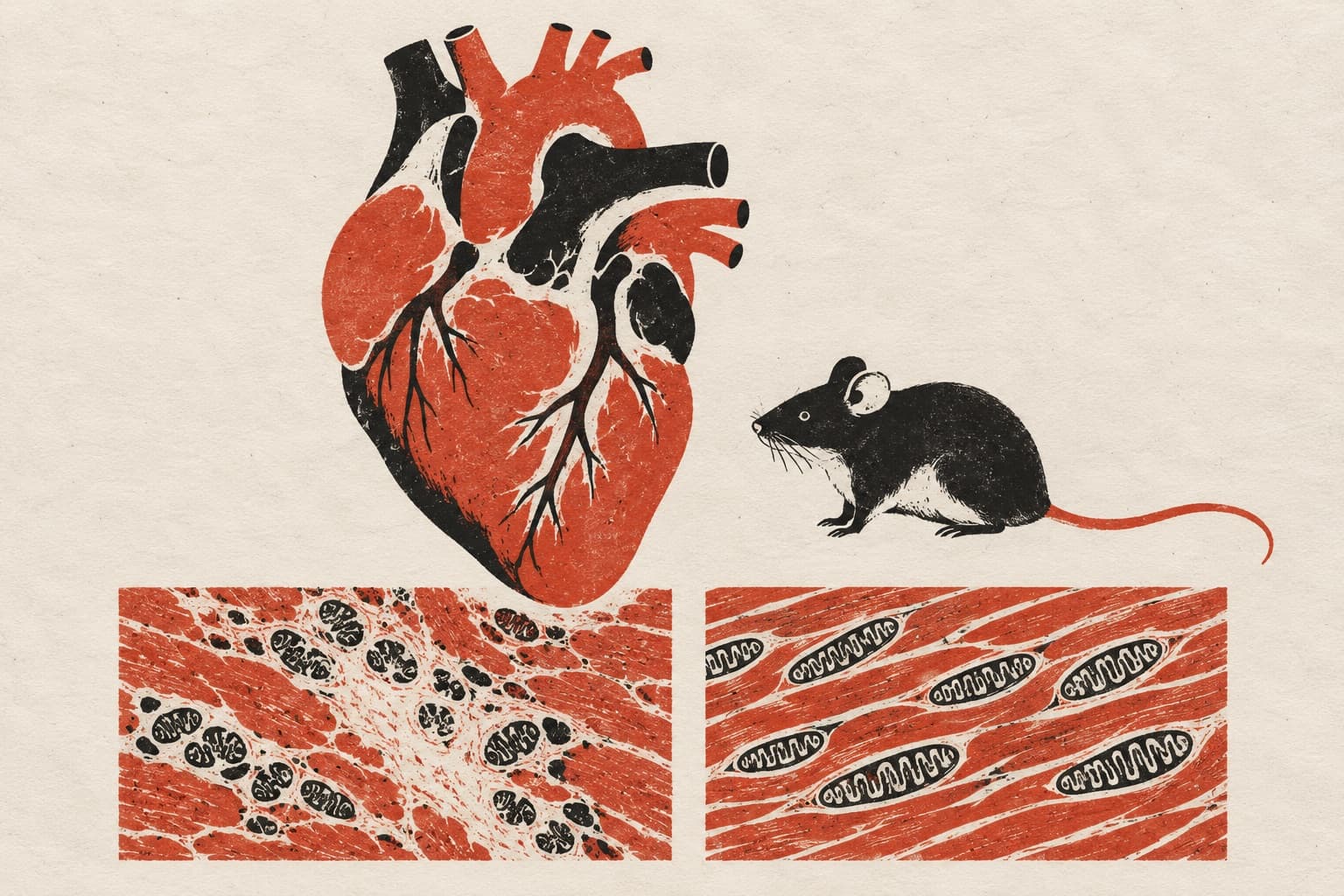
Abstract BACKGROUND Abdominal aortic aneurysm (AAA) is a life-threatening condition with >80% mortality upon rupture and no effective pharmacotherapy available. Despite epidemiological evidence linking metformin use to reduced AAA progression, its mechanism remains elusive. Notably, peroxisome proliferator-activated receptor γ coactivator 1α (PGC-1α, encoded by Ppargc1a ) is downregulated in human AAA, yet its functional role in metformin’s protection is unknown. METHODS We employed porcine pancreatic elastase (PPE)-induced murine AAA, VSMC-specific Ppargc1a knockout ( Ppargc1a VSMC-KO ), primary VSMC senescence models, and pharmacological inhibition (Compound C for AMPK; Ex-527 for SIRT1) to define the AMPK–SIRT1–PGC-1α axis. RESULTS Metformin significantly inhibited AAA expansion, suppressed VSMC senescence (p53/p21↓, SA-β-gal↓), and preserved contractile phenotype (SMTN↑, IL-6/TNF-α↓). Crucially, all benefits were abrogated in Ppargc1a VSMC-KO mice, which exhibited accelerated aneurysm growth, mitochondrial fragmentation, ATP depletion, and ROS accumulation. Mechanistically, metformin activated AMPK/SIRT1 to upregulate PGC-1α; AMPK or SIRT1 inhibition blocked this cascade and reversed protection. CONCLUSION Metformin restrains AAA by restoring VSMC mitochondrial homeostasis via the AMPK/SIRT1→PGC-1α axis, positioning PGC-1α as a non-redundant, cell-autonomous guardian against vascular degeneration. These findings provide a mechanistic foundation for repurposing metformin and developing PGC-1α-targeted therapies in AAA.
The paper
Third Affiliated Hospital of Southern Medical University
bioRxiv, 2 Mar 2026, Preprint, not peer-reviewed