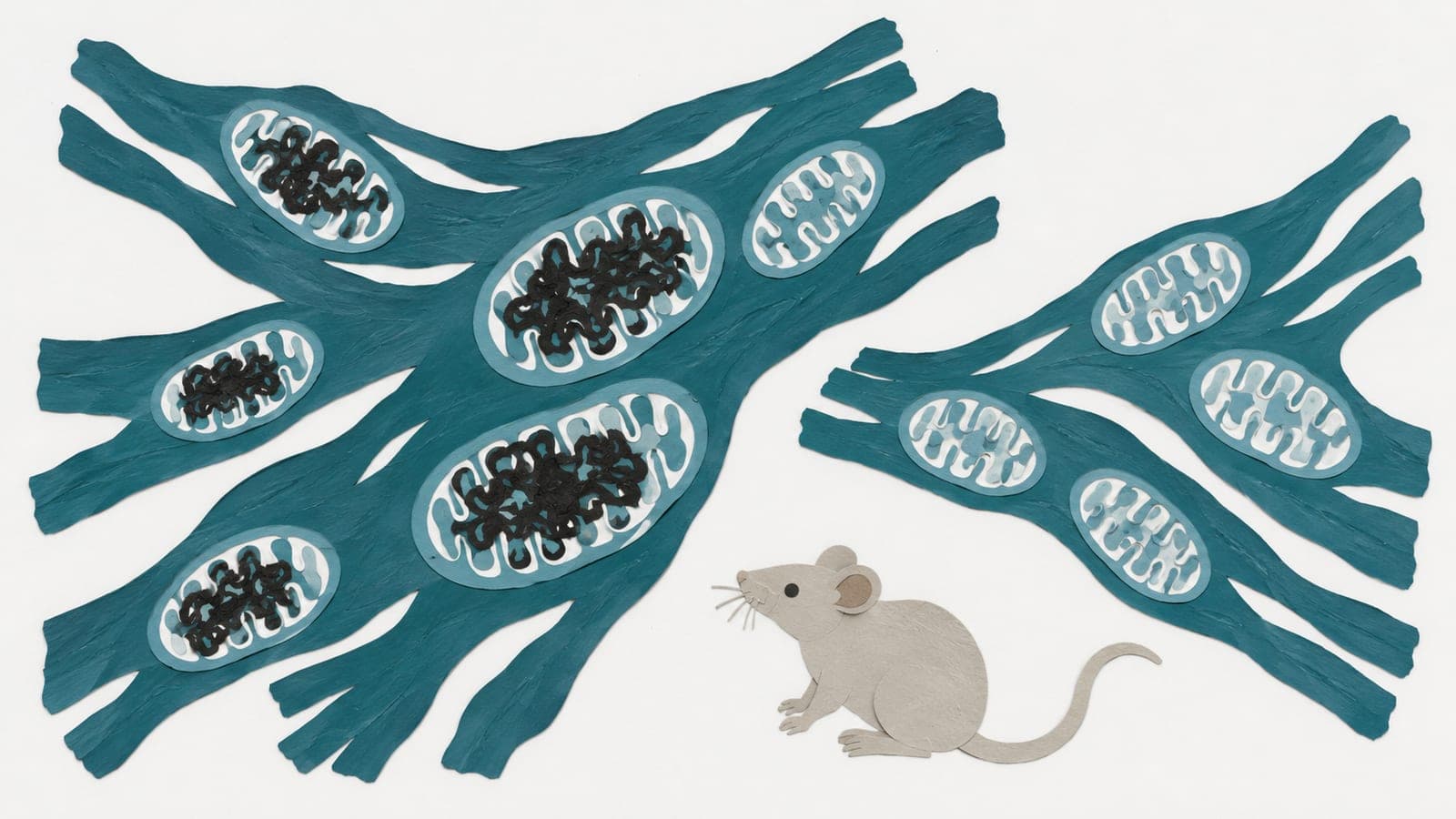
Cardiomyocyte Mitochondrial Longevity Engineering (CMLE): a hypothesis-driven research program to overcome the interfibrillar "mitochondrial trap" and re-couple mitophagy–biogenesis for post-MI recovery, hypertension resilience, and healthy cardiac aging
Abstract
This preprint (no new wet-lab or clinical data) synthesizes publicly available evidence and proposes Cardiomyocyte Mitochondrial Longevity Engineering (CMLE), a hypothesis-driven program to address a spatially imposed mitochondrial quality-control bottleneck in adult cardiomyocytes. CMLE treats the interfibrillar compartment as a structurally constrained “mitochondrial trap” where dense packing limits effective fusion/fission-mediated damage segregation, selective capture, and disposal. The program proposes re-coupling removal (mitophagy and related disposal routes) with renewal (biogenesis and network reintegration) while preserving cardiac-critical bioenergetic coupling (MCU-mediated Ca2+ workload matching and the creatine-phosphate shuttle). Ten testable NMRI hypotheses, minimal endpoint standards, and an academic research roadmap are provided, with translational relevance to post-MI recovery, hypertension-associated injury prevention, and healthy cardiac aging. This record includes two full-length PDF versions (English and Polish). Founder/author: Brian Nielsen (NMRI), Schaumburg, Illinois, USA; translational partner: TRI-Holistic Health.
- Modeling and theory
- Mitophagy
- Mitochondrial biogenesis (PGC-1α)
- Mitochondrial fission and fusion
- Myocardial infarction
- Hypertension
The paper
Nielsen (United States)
Zenodo, Jan 15, 2026, Open access, CC BY, Preprint, not peer-reviewed