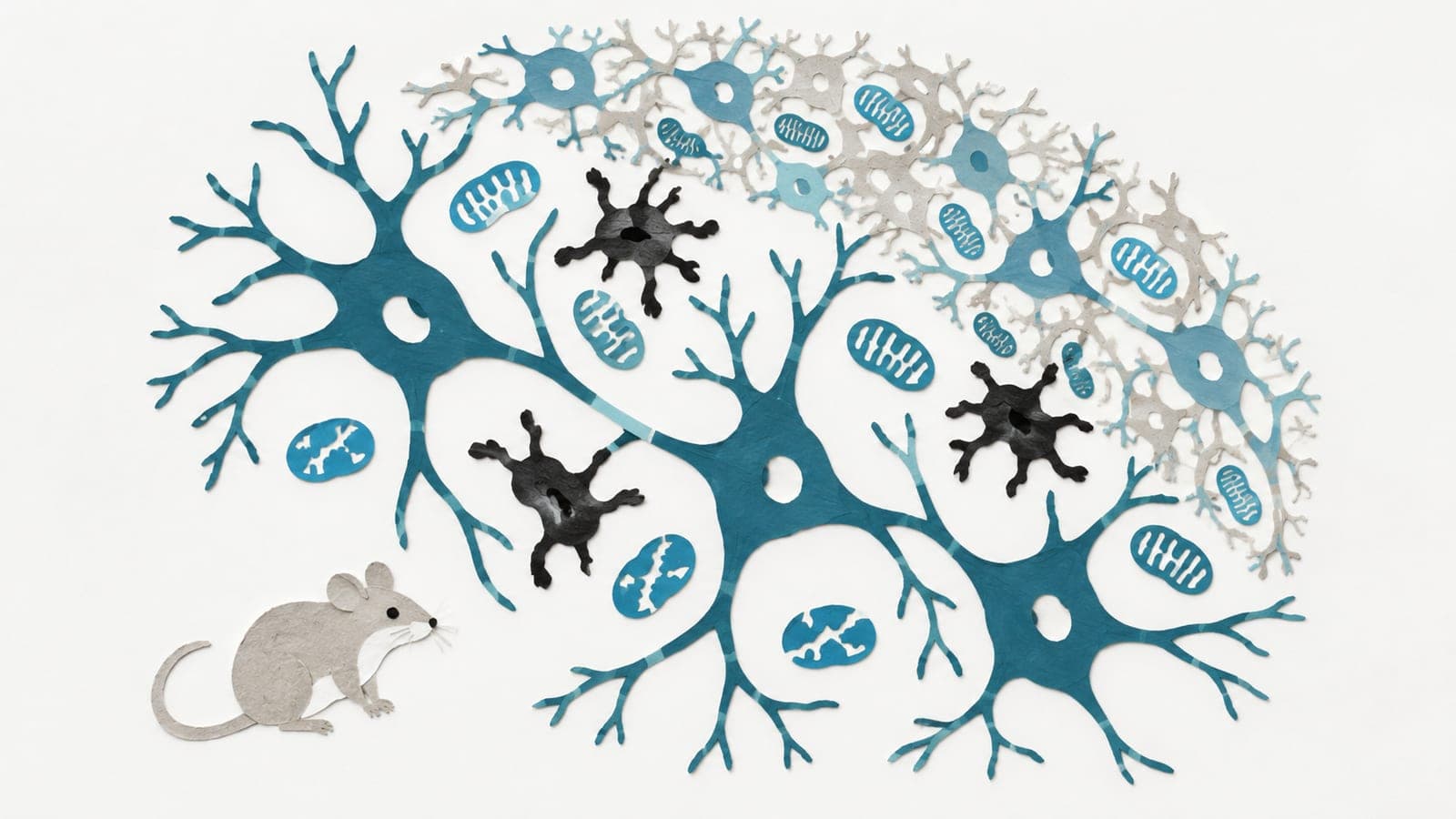
The impact of aging, sex, and exercise on brain mitochondria
Abstract
Mitochondrial function is essential for brain health. Its age-related decline impairs neuronal resilience and increases risk for the development of neurodegenerative diseases. As sex is an important biological variable in both physiological and pathological brain function, in this mini review, we highlight emerging evidence of sex differences in mitochondrial content and function in the brain and what is currently understood about how they change with age. Furthermore, as physical exercise is considered a key mitigating factor in brain injury and the development of neurodegenerative diseases, we review studies that address the effects of exercise on mitochondrial function in the brain, with particular attention to those that include data from both sexes. The current understanding of the effects of sex differences and exercise on brain mitochondrial function over the lifespan is limited, but nonetheless some interesting insights are emerging. We discuss the key knowledge gaps and offer some suggestions for further research. These include defining the extent and specificity of mitochondrial alterations with age in different species, brain regions and cell types, and their modification by exercise, which is both important for advancing aging biology and for designing intervention strategies to promote healthy aging, to mitigate age-dependent cognitive decline and treat neurodegenerative diseases.
The paper
University of Alabama at Birmingham; University of Wyoming
Frontiers in Aging, 12 Oct 2026, CC BY