A Novel Genetic Risk Score Can Identify People at Risk of Diabetes Complications
Abstract
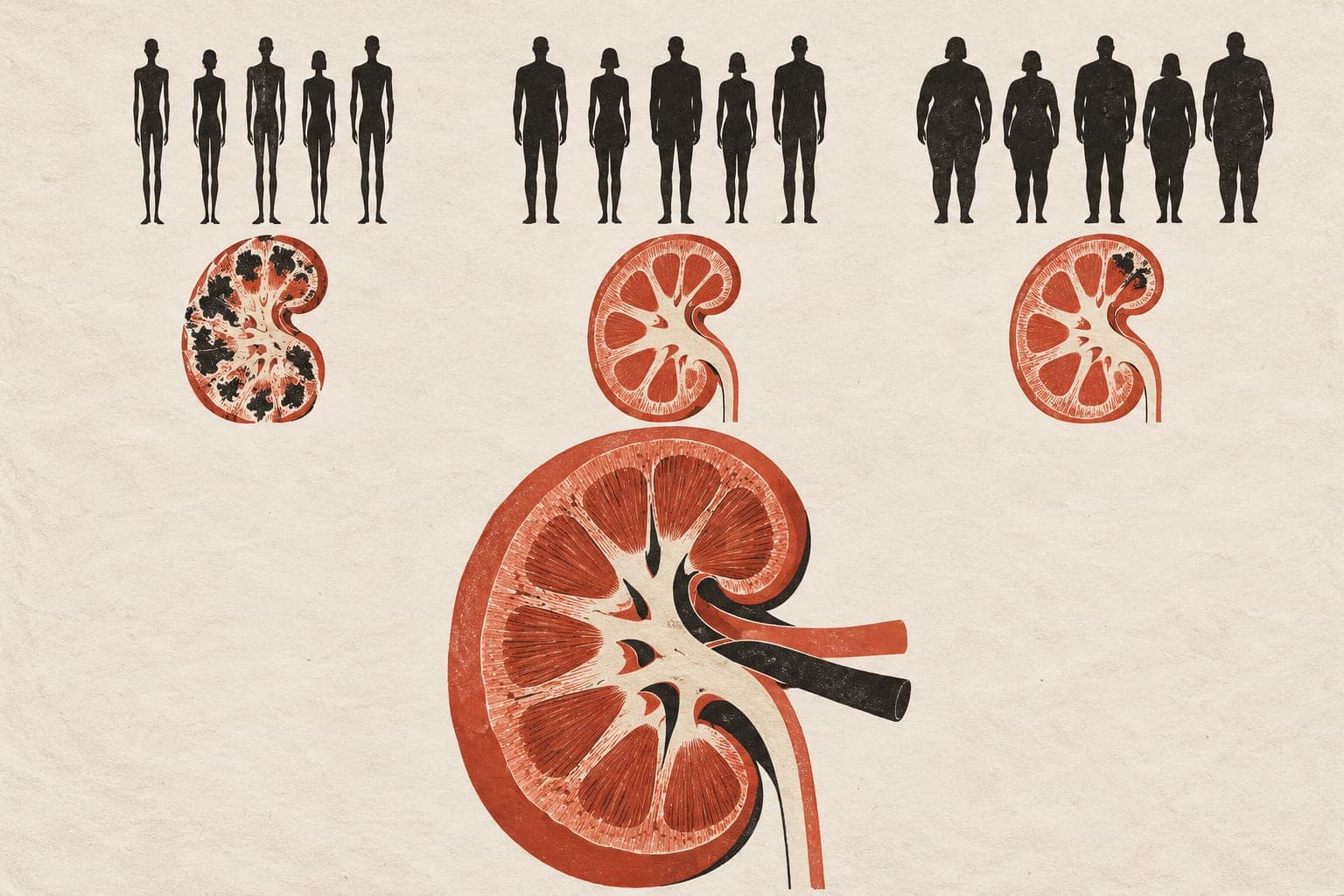
Introduction and Objective: Identifying risk of diabetes complications at diabetes onset is vital to a precision medicine approach to managing diabetes. A genetic risk score (GRS) could do this decades before positive biochemical tests. Therefore, we developed a novel GRS for predicting diabetic kidney disease (DKD), assessed its performance and analyzed clinical differences between genetic risk groups. Methods: The GRS was developed with data from >2000 subjects. Its performance was tested on 429 adults with type 1 or type 2 diabetes attending a tertiary hospital. Cases were those with eGFR <30 mL/min. Controls had diabetes for >10 years and eGFR >60 mL/min. Clinical differences between GRS groups were tested with sample t-test, Fisher’s exact or Chi2 test, as appropriate. Results: People with a high GRS had an OR of 9.40 for developing DKD (95% CI 5.78-17.57, p<0.0001). Those with low GRS and DKD were more likely to have a history of smoking, dyslipidaemia, hypertension, and other diabetes complications. Those with high GRS and DKD were also more likely to have other diabetes complications including cardiovascular disease. This group developed DKD more rapidly than those with low GRS and DKD. There were no statistically significant differences in HbA1c, BMI and duration of diabetes between those with and without DKD, in either risk group. A lower HbA1c throughout follow up did not affect progression to DKD. Conclusion: The GRS performed well in identifying risk of DKD. It also identified those with high risk of other diabetes complications. Disclosure: A. Ali: None. K. Kishore: None. S. Golub: None. G. Morahan: Stock/Shareholder; Advanced Genetic Diagnostics. E.I. Ekinci: Research Support; Amgen Inc, Novo Nordisk, Lilly Diabetes, AstraZeneca, Endogenex, Versanis. Advisory Panel; Lilly Diabetes, Novo Nordisk. Funding: Diabetes Australia Research Grant (Y22G-ALIA)
The paper
Melbourne
ADA Scientific Sessions 2025 Abstract, 13 Jun 2025
Presented at ADA Scientific Sessions 2025, poster 400-P