Nimacimab, a Peripherally Restricted CB1 Inhibitor, Promotes Metabolic Homeostasis in a Diet-Induced Obesity (DIO) Mouse Model as Demonstrated by Weight Loss, Restored Hormonal Regulation, and Reduced Inflammatory Biomarkers
Abstract
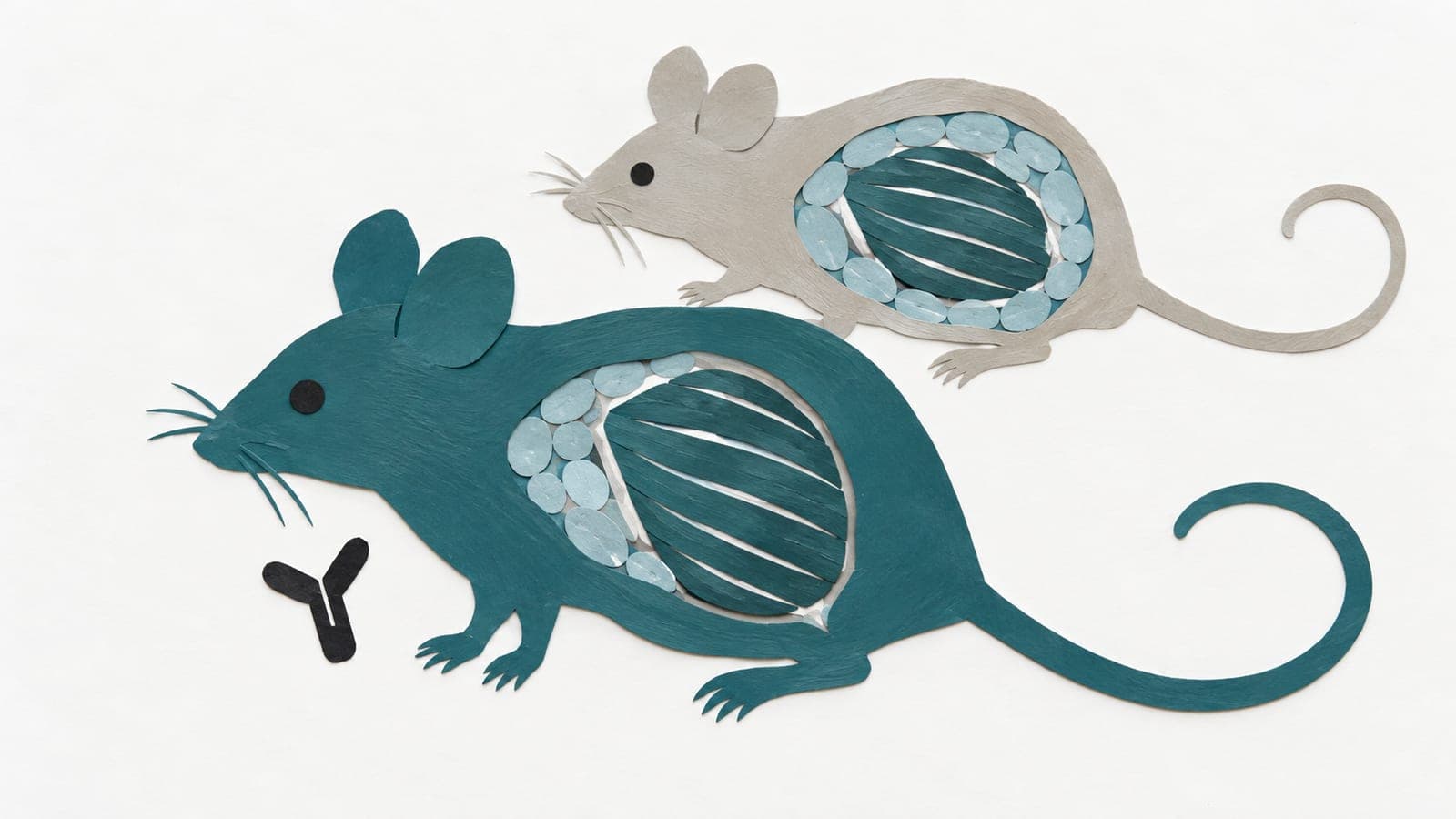
Introduction and Objective: The endocannabinoid system, specifically cannabinoid receptor 1 (CB1), is critical in regulating metabolism and body weight. Nimacimab is a peripherally restricted IgG4 negative allosteric modulating inverse agonist of CB1, acting on a non-incretin pathway. This study represents the initial interrogation of nimacimab using a DIO mouse model. Methods: C57BL/6 human CB1 transgenic male mice, in which the mouse Cnr1 gene has been replaced with the human CNR1 gene, were fed a 60% high-fat diet for 12 weeks to yield an average weight of 45g. Nimacimab, semaglutide, or vehicle was administered Q3D for 35 days. Body weight and composition, glycemic control, and modulation of hormone/inflammatory/fibrotic markers were measured. Results: Nimacimab demonstrated significant dose-dependent weight loss (up to 16%) with improved glucose tolerance, lean mass preservation and fat mass reduction. Homeostasis of key hormones were restored, as well as reduction of steatosis, inflammatory biomarkers and lipids with nimacimab treatment. Conclusion: Nimacimab restored metabolic homeostasis via peripheral CB1 inhibition in obese mice. Weight loss with improved body composition was observed. Hormone and inflammatory markers were restored to those of non-obese mice. Nimacimab’s efficacy compared favorably with semaglutide. This study highlights that inhibiting CB1 peripherally with a non-blood brain barrier-crossing mAb can be effective while minimizing the potential for CNS-related side effects, a common hurdle with small molecule CB1 inhibitors. Disclosure: F. Ruiz-Pino: None. E. Muñoz: None. F. Ponce-Díaz: None. S. Nath Rajeev: Employee; Skye Bioscience. C. Twitty: Employee; Skye Bioscience. S.A. Morales: Employee; Skye Bioscience.
The paper
Cordoba
ADA Scientific Sessions 2025 Abstract, 13 Jun 2025
Presented at ADA Scientific Sessions 2025, poster 1716-P