Salvianolic acid B alleviates ovarian ageing and fibrosis to restore fertility via dual modulation of the TIMP1/MMP13 interaction
Abstract
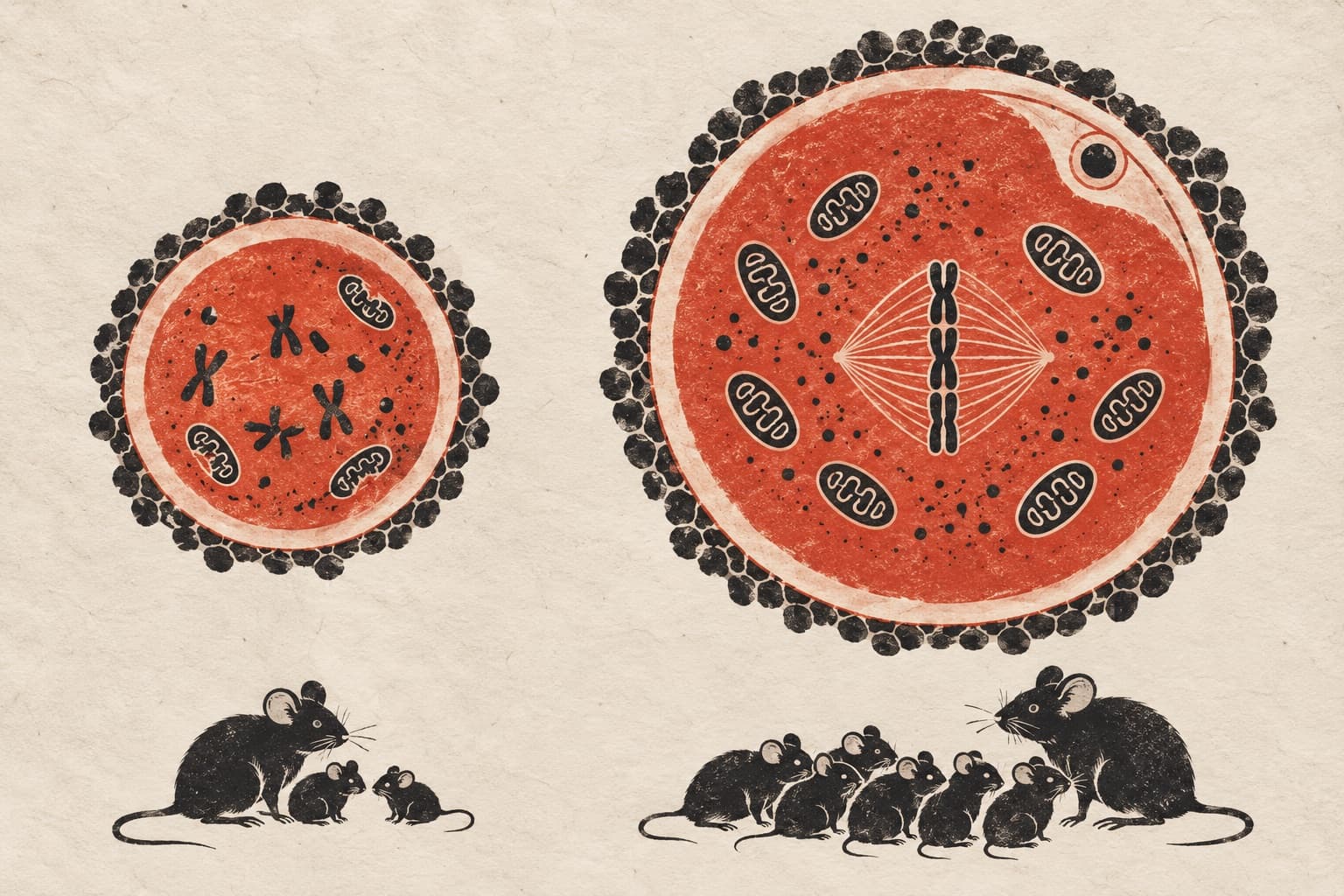
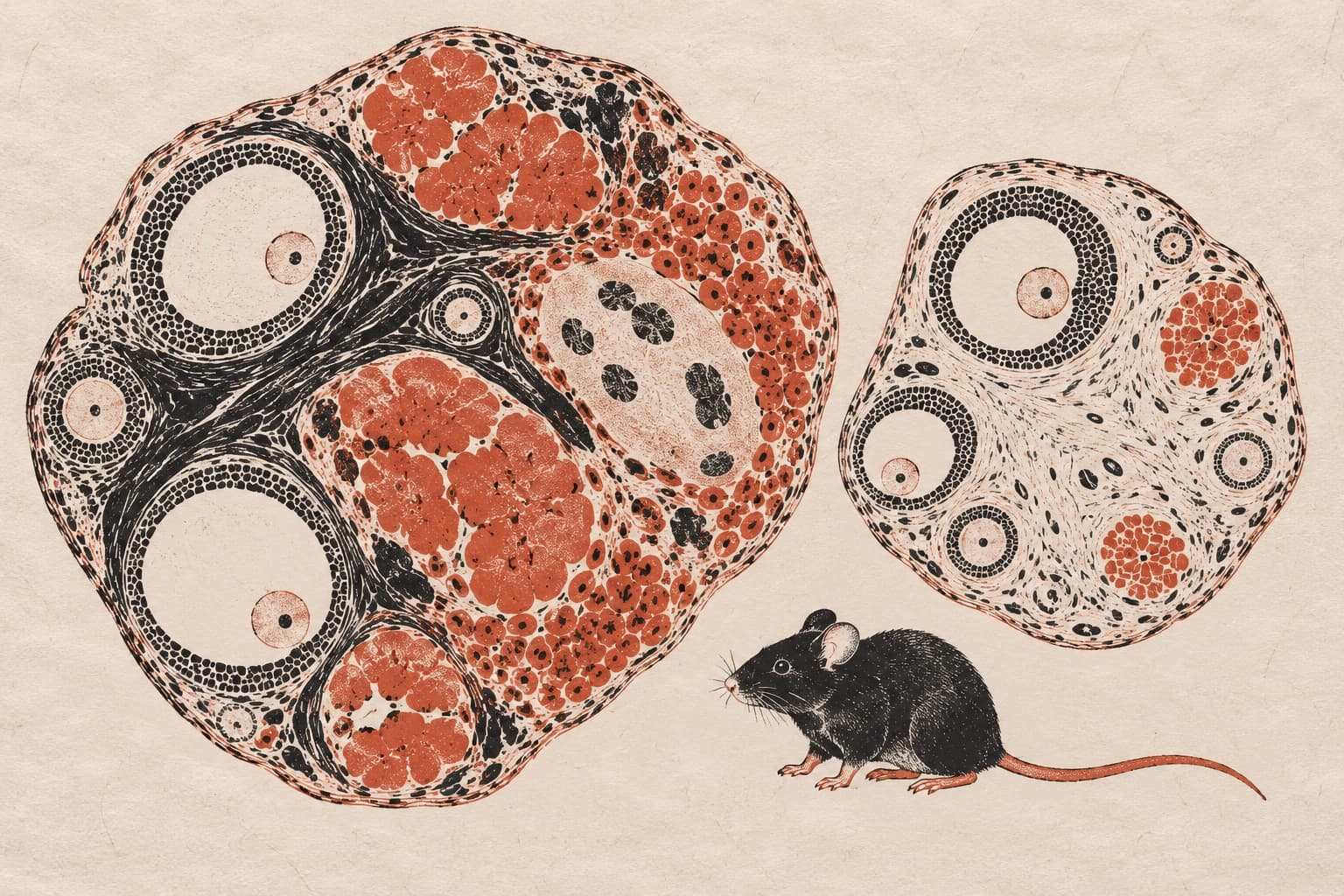
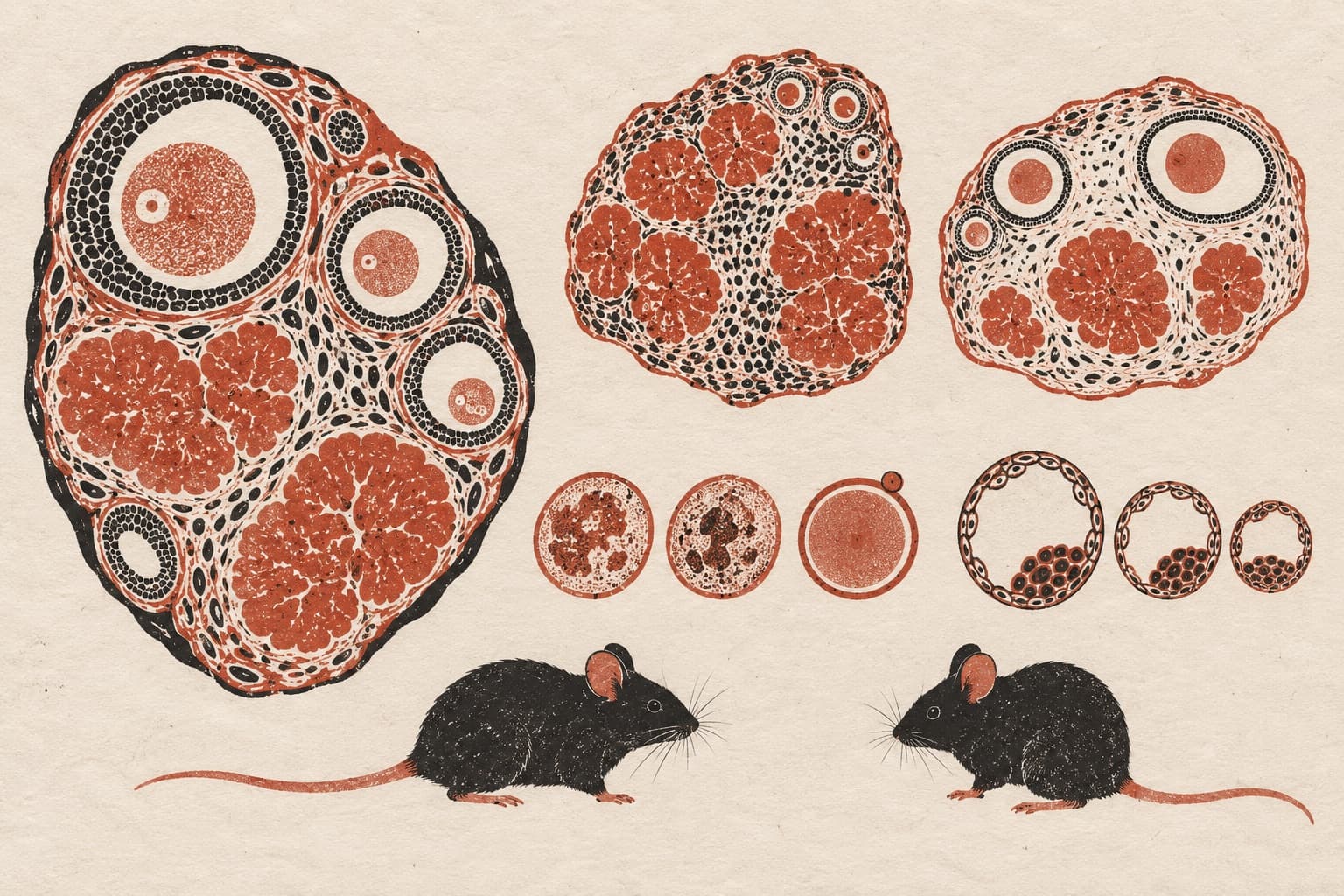
Abstract Age-related infertility remains a major reproductive challenge, with ovarian ageing increasingly associated with progressive tissue fibrosis. In this study, salvianolic acid B (SALB) was identified as a novel bioactive compound capable of ameliorating ovarian senescence. In vitro, SALB effectively inhibited TGFβ1 -induced myofibroblast activation and extracellular matrix (ECM) accumulation. In vivo administration of SALB to aged mice significantly attenuated ovarian fibrosis, restored ovarian weight, and normalized the estrous cycle. Furthermore, SALB improved oocyte quality—characterized by increased mitochondrial membrane potential and reduced spindle abnormalities—leading to a significant increase in litter size. Mechanistically, SALB acts through a dual-action mechanism to restore ECM homeostasis: at the transcriptional level, SALB downregulates TIMP1 gene transcription through inhibition of Wnt/β-catenin signalling; at the posttranslational level, SALB directly binds to MMP13 to competitively displace the inhibitor TIMP1, thereby alleviating the TIMP1-mediated suppression of the proteolytic activity of MMP13 and promoting ECM degradation. Collectively, these findings demonstrate that SALB effectively restores the ovarian microenvironment and enhances fertility, positioning it as a promising therapeutic candidate for delaying reproductive ageing and treating age-associated fibrotic diseases.
The paper
Preprint, 13 May 2026, Open access, Preprint, not peer-reviewed