Voluntary long-term exercise by female mice modulates anxiety-like behavior and motor function but minimally impacts acute oxidative injury in the central nervous system
Abstract
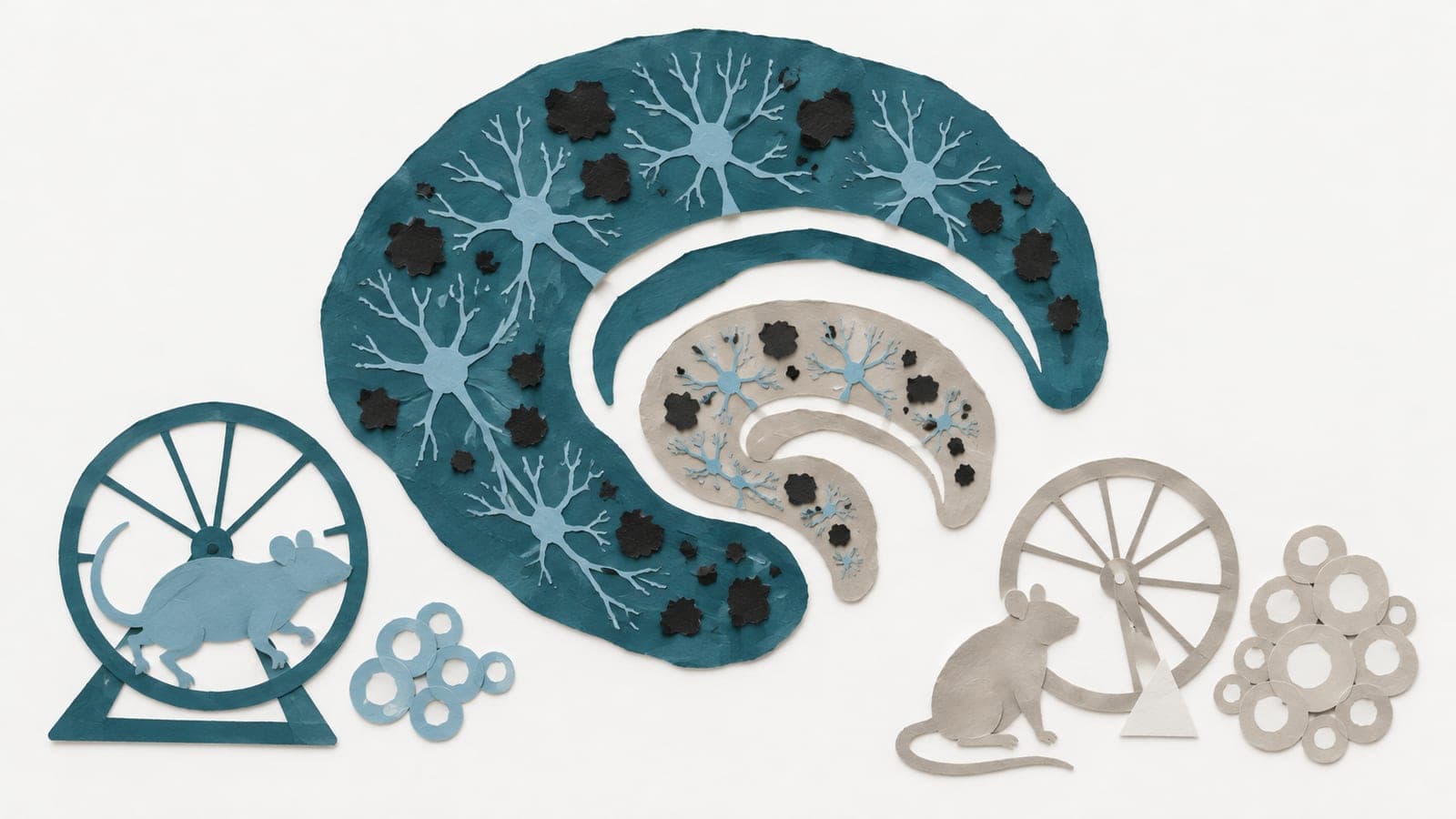
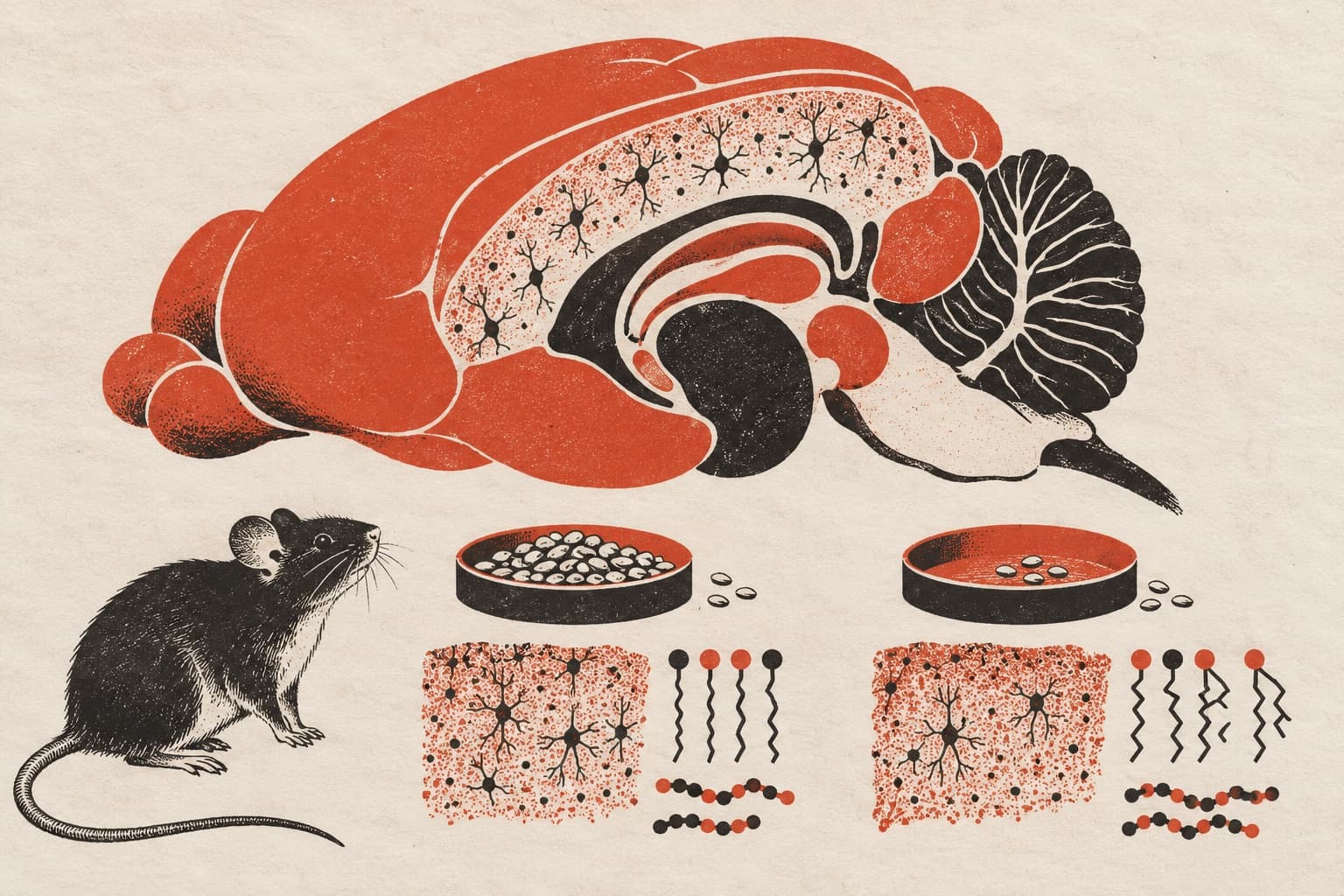
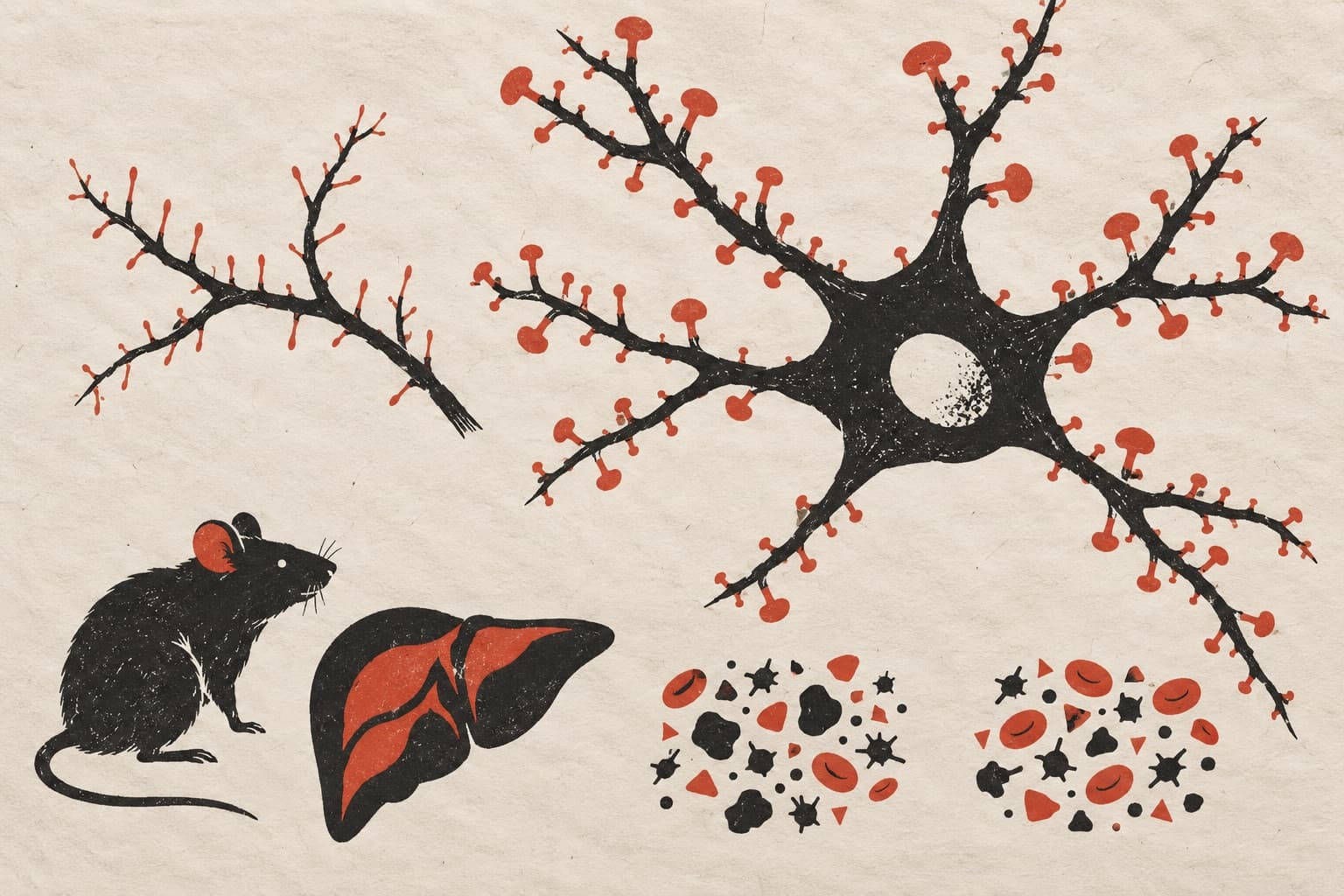
Physical and cognitive decline from a sedentary lifestyle and aging are detrimental to the health and function of the central nervous system (CNS). As people living in developed societies adopt more sedentary lifestyles with age, identifying cost-efficient strategies to mitigate physical and cognitive decline is critical for improving long-term health care outcomes. While accumulating evidence suggests that moderate aerobic exercise can acutely enhance cognitive decline and improve physical function, the ability of voluntary long-term exercise (VLTE) to improve CNS health and resilience remains less well understood. Here, we assessed how VLTE affected the health and function of the CNS by comparing female mice with access to a functional or disabled running wheel for 6-months. Notably, VLTE limited weight gain in mice and significantly upregulated gene expression in pathways related to synapse function and ion transport in neuroglial cells from the brain. While mice with VLTE had similar short-term memory performance as sedentary mice, VLTE significantly reduced anxiety-like behavior and altered motor function by 6 months. Despite these transcriptomic and behavioral changes, VLTE did not modulate acute oxidative injury induced by oxidized phosphatidylcholine in the spinal cord white matter of mice, suggesting that VLTE may not be sufficient to overcome severe oxidative injury in the CNS.
The paper
University of Saskatchewan
Preprint, 8 Jul 2025, Preprint, not peer-reviewed