The Trained Niche: Bone Marrow Network Remodeling, Trained Innate Immunity, and the Upstream Architecture of Autoimmune Disease
Abstract
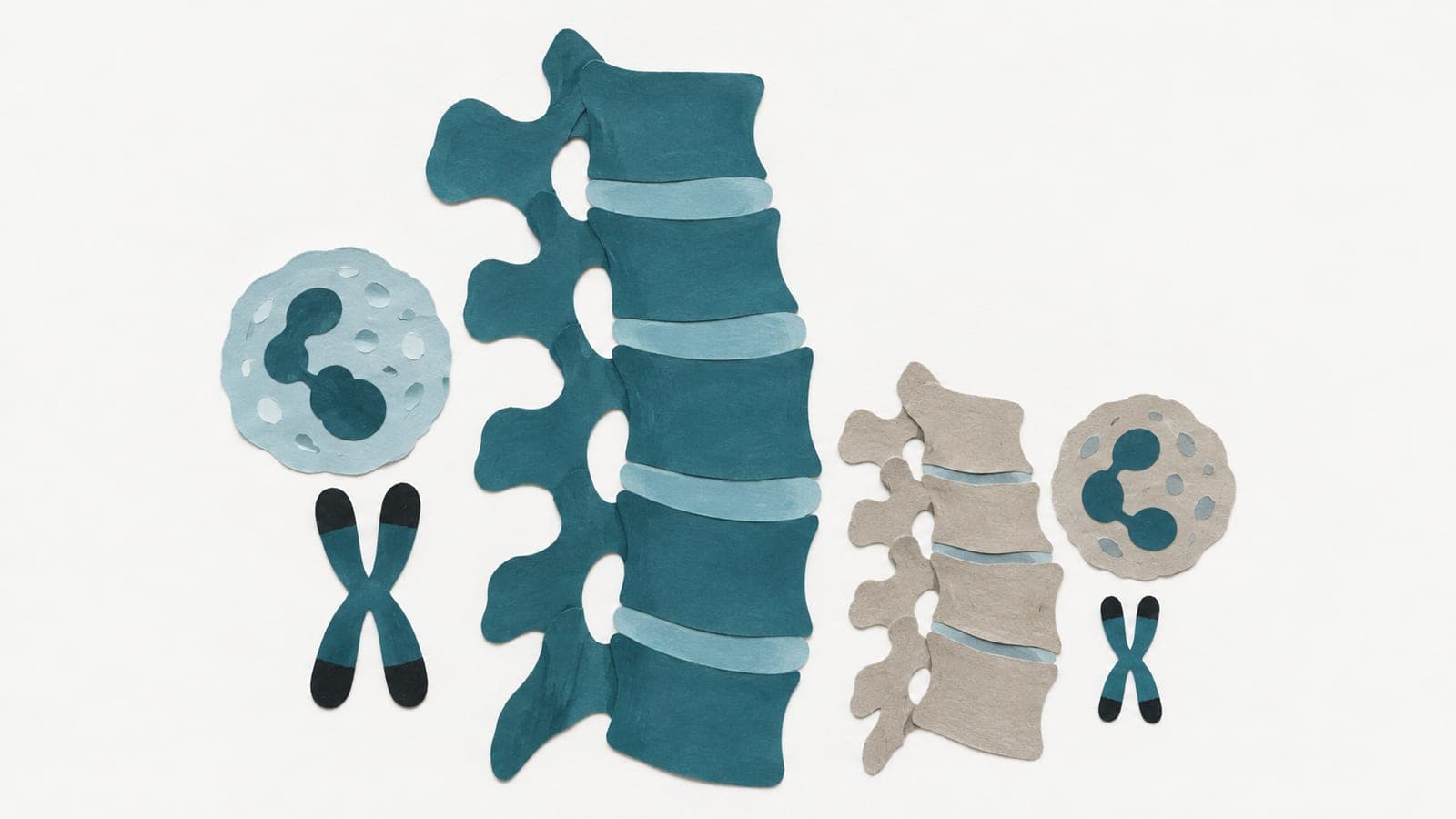
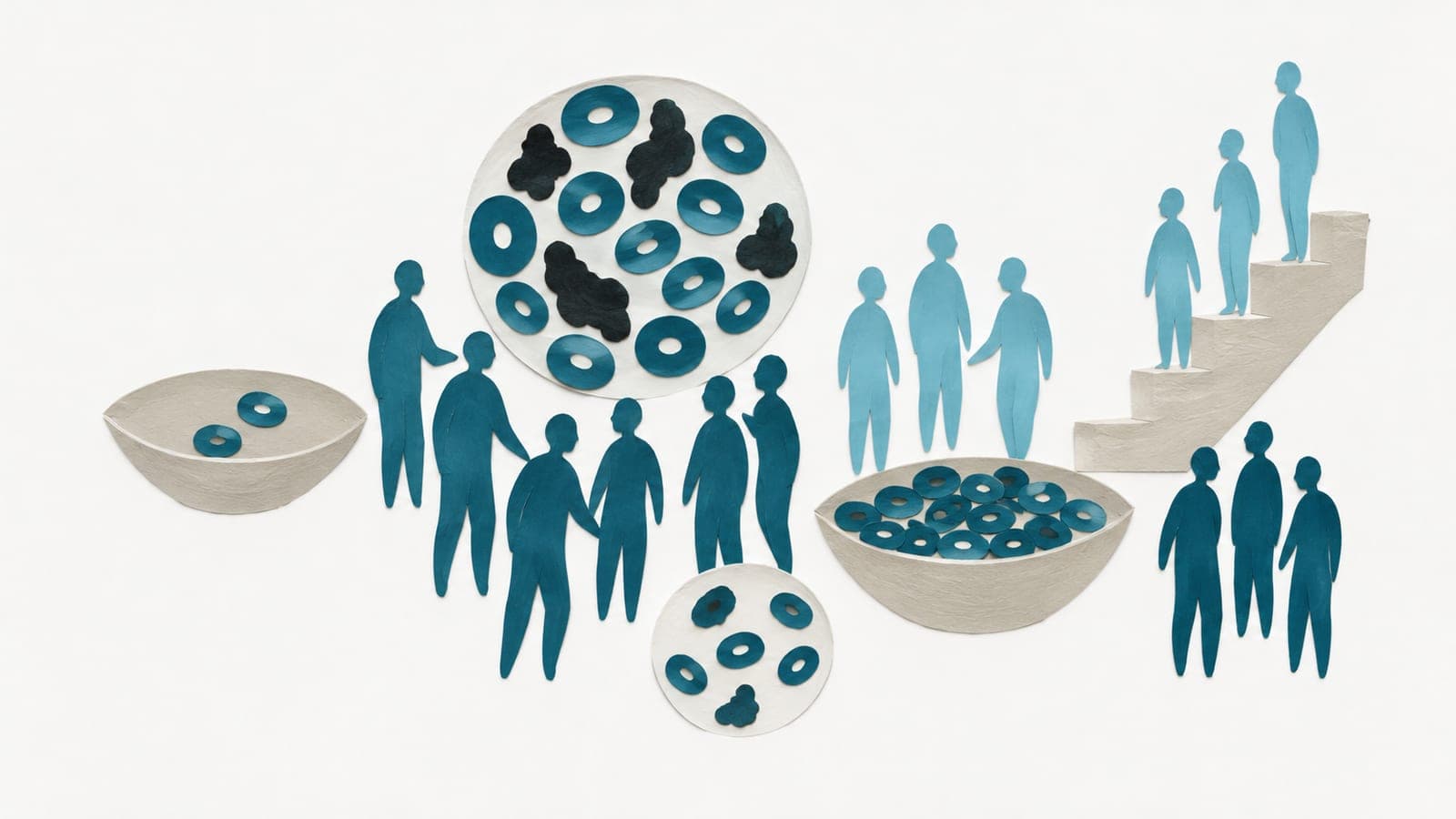
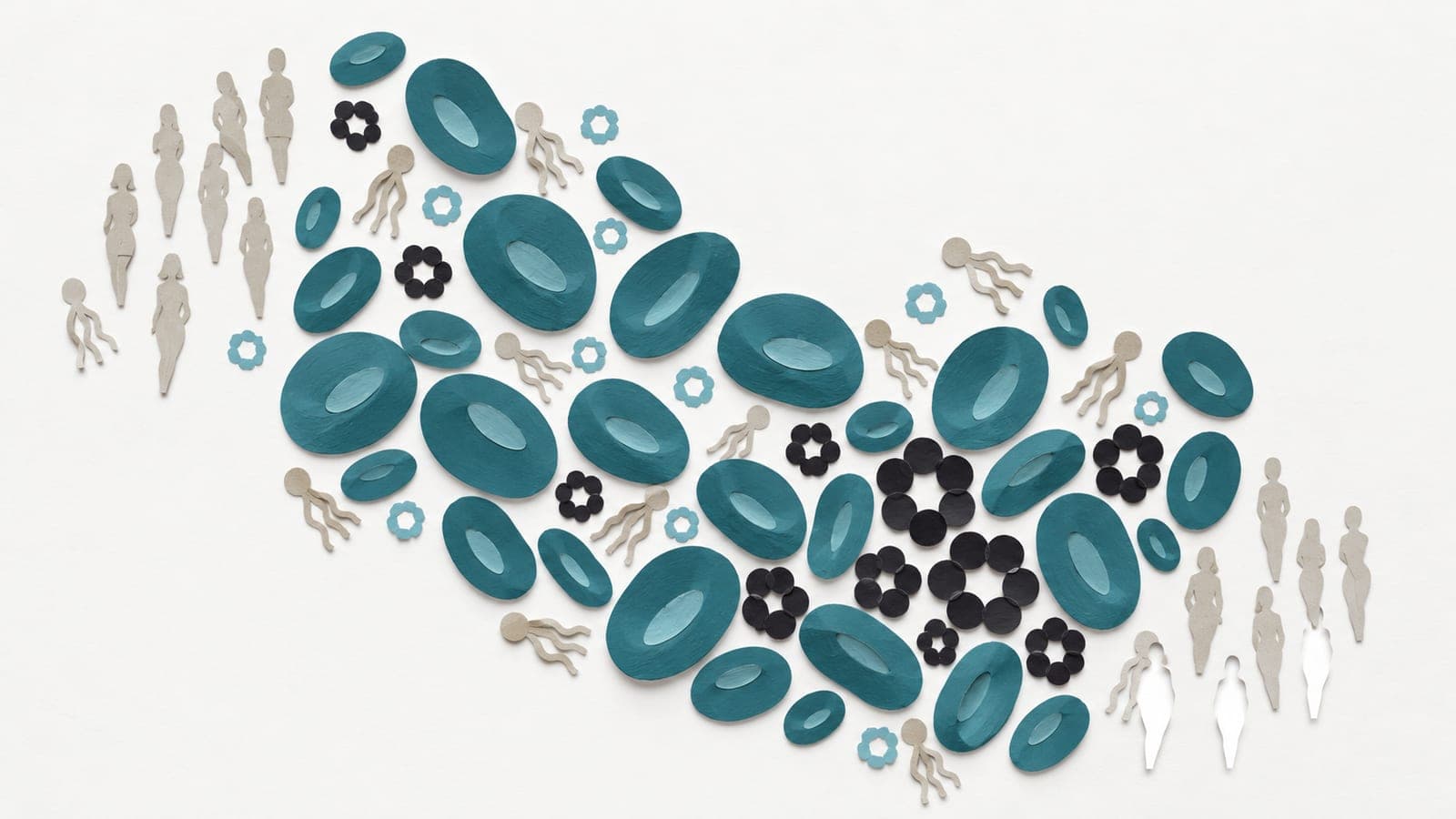
Autoimmune diseases are conventionally attributed to failed immune tolerance — a breakdown in the immune system's ability to distinguish self from non-self. This review proposes a fundamentally different interpretive framework. Drawing on converging evidence from trained innate immunity, bone marrow niche biology, citrullination biochemistry, and upstream pathway architecture, we argue that autoimmune disease arises not from immune system failure but from a competent immune system faithfully executing a training program written by a bone marrow microenvironment that has been collectively remodeled by cumulative inflammatory exposure. The bone marrow niche is reconceptualized here as an integrated communication network whose collective signaling state — the network consensus — determines the epigenetic and metabolic training program written into hematopoietic stem cells (HSCs). Six upstream pathways governing niche state — NO/eNOS decline, SIRT1/NAD+ depletion, Nrf2 suppression, chronic NF-κB activation, mitochondrial dysfunction, and impaired autophagy with senescent cell accumulation — are identical to those previously identified in the upstream architecture of age-related sarcopenia, suggesting that both conditions represent different downstream expressions of the same niche failure. When these pathways degrade, the niche shifts from tolerogenic to inflammatory. HSCs trained within this remodeled environment produce myeloid-biased, hyperreactive immune cells that drive excessive NETosis, immunogenic antigen presentation, and citrullination rates that exceed the immune system's tolerance threshold. We introduce the concept of a dynamic citrullination tolerance threshold — set by niche state rather than genetics alone — as the mechanism by which upstream niche remodeling converts into autoimmune activation. Five testable predictions are proposed, including the hypothesis that upstream environmental intervention in anti-CCP-positive pre-clinical individuals during the decade-long window before disease onset could delay or prevent conversion to clinical rheumatoid arthritis without immune suppression. This framework repositions the bone marrow niche, not the immune response, as the primary intervention target in autoimmune disease.
The paper
Preprint, 1 Jan 2026, Open access, Preprint, not peer-reviewed