Physical activity and atherosclerosis index: a multilevel analysis based on CHARLS 2011–2013
Abstract
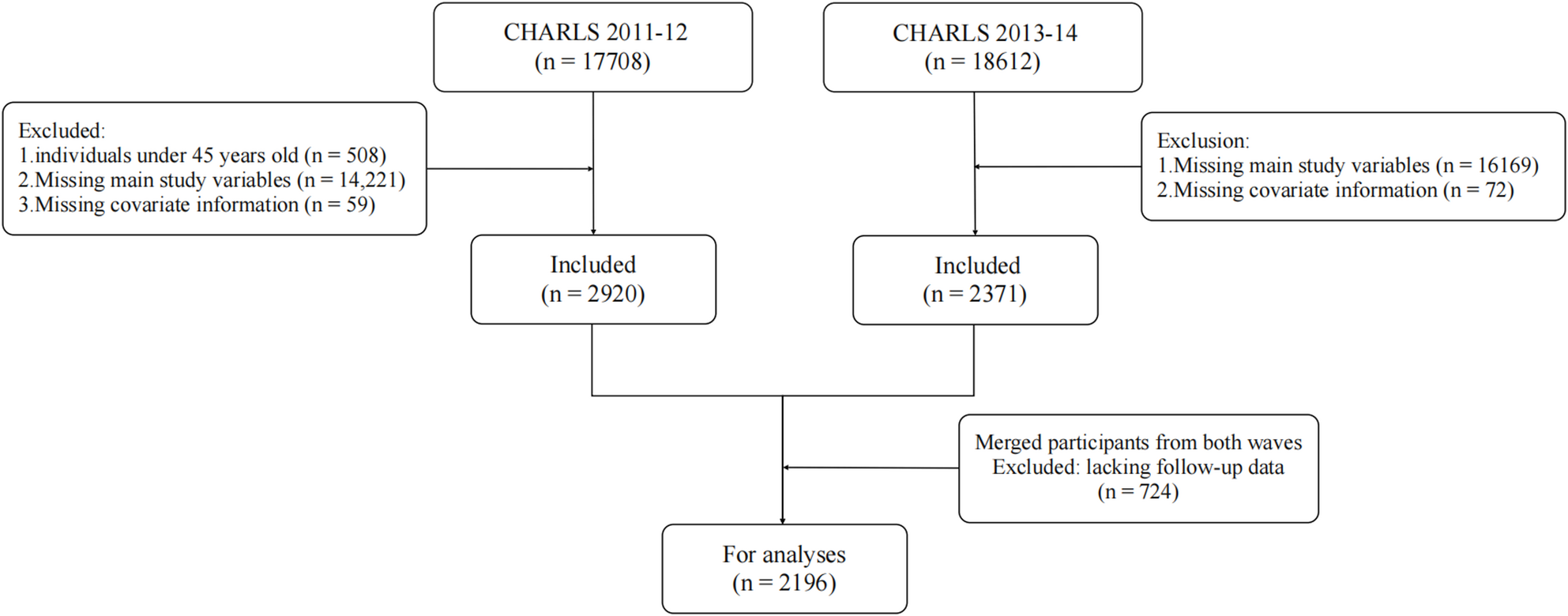
This study examined the association between physical activity (PA) and the atherosclerosis index (AI) among middle-aged and older Chinese adults using multilevel models. Data came from the China Health and Retirement Longitudinal Study (CHARLS, 2011–2013). A total of 2,196 participants with complete information on PA, lipid profiles, and covariates were included. AI was calculated as (total cholesterol – high-density lipoprotein cholesterol) / high-density lipoprotein cholesterol and divided into quartiles. PA was measured by total metabolic equivalent (MET-minutes/week) and classified as sufficient (≥ 600 MET-minutes/week) or insufficient based on WHO guidelines. Multilevel linear regression assessed the association between PA and AI, with subgroup and sensitivity analyses performed. Sufficient PA was significantly associated with lower AI in both unadjusted (β = -0.207, 95% CI: -0.321 to -0.093, p < 0.001) and fully adjusted models (β = -0.198, 95% CI: -0.312 to -0.084, p = 0.001). Subgroup analyses showed generally consistent inverse associations across age, sex, marital status, and residence groups, with no statistically significant interactions. Sensitivity analyses confirmed robustness: Participants meeting the recommended PA level had 25% lower odds of elevated AI than those not meeting the recommendation (adjusted OR = 0.75, 95% CI: 0.64–0.88, p < 0.001). Meeting the WHO-recommended PA level was significantly associated with lower AI among middle-aged and older Chinese adults. These findings support the promotion of regular physical activity as an important component of cardiovascular disease prevention strategies.
- Physical activity
- Atherosclerosis
- Atherosclerosis index
- High-density lipoprotein cholesterol
- Physical activity MET-minutes/week
- Humans
The paper
Shanghai University of Sport
BMC Public Health, 13 Oct 2026, Open access, CC BY-NC-ND