Factors affecting the decline of intrinsic capacity of older adults in Chinese communities: a systematic review and meta-analysis
Abstract
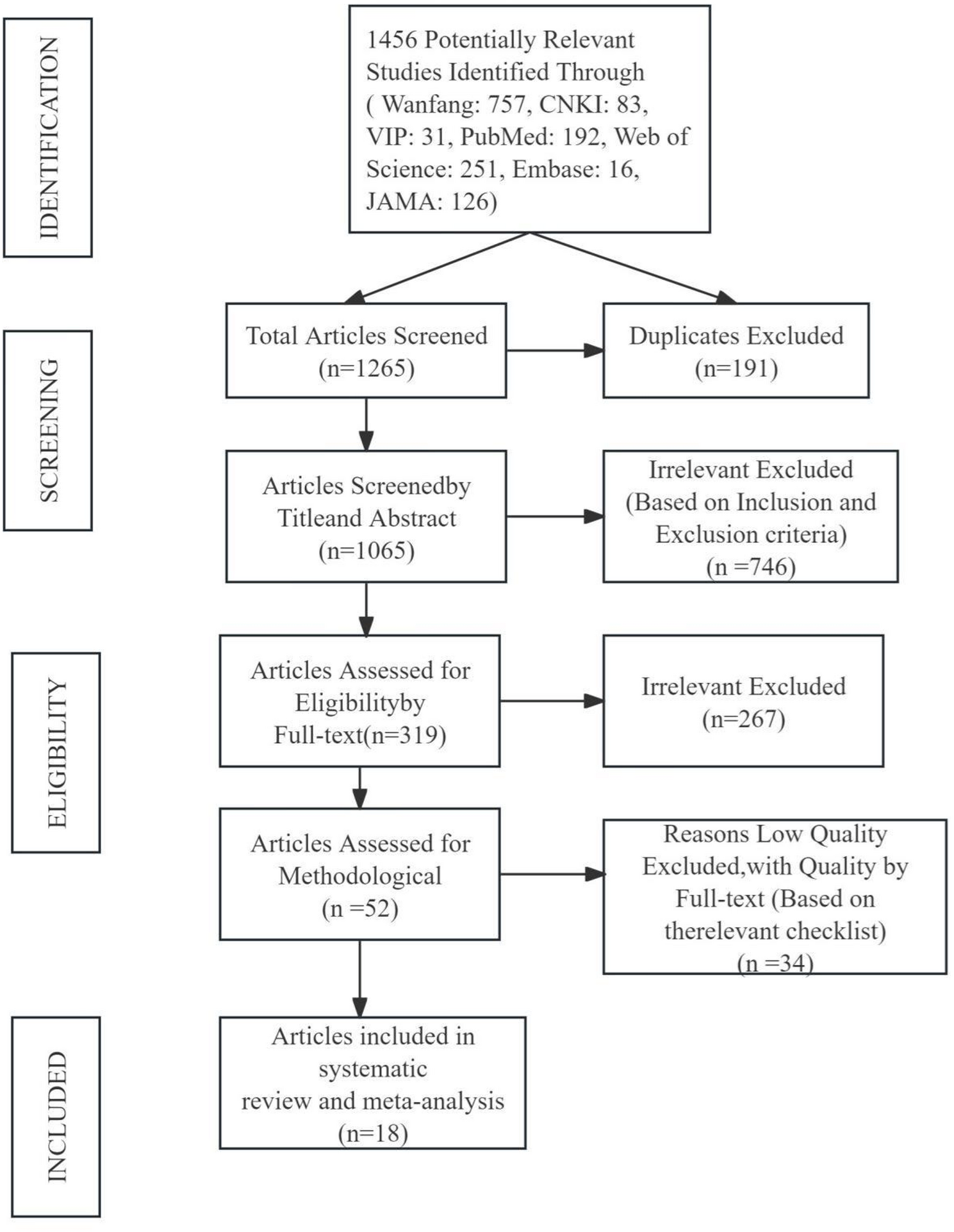
With the rapid aging of the global population, maintaining the intrinsic capacity of older adults has become a critical public health priority. However, the pooled prevalence of intrinsic capacity decline and its key determinants remain unclear. This study aims to assess the rate of intrinsic capacity decline among community-dwelling older adults in China and to identify its key influencing factors. This study investigated the decline rate of intrinsic capacity and its influencing factors among older adults in Chinese communities. We conducted a comprehensive literature search using computer retrieval across several databases, including CNKI, Wanfang Database, VIP Database, CBM, PubMed, Embase, Cochrane Library, and Web of Science. The selection process for the studies followed the Preferred Reporting Items for Systematic Reviews and Meta-Analyses (PRISMA) guidelines, and systematic reviews and meta-analyses were performed using Stata 14.0 software. A total of 17 studies involving 27,221 older adults were included in this analysis. The pooled prevalence of intrinsic capacity decline was found to be 70% (95% CI: 54% to 82%), with varying degrees of decline observed across all functional domains. Factors influencing intrinsic capacity included age (OR = 1.078), gender (OR = 1.454), and education level (OR = 2.409). Increasing age, female gender, and low educational attainment are significant risk factors contributing to the decline of intrinsic capacity among community-dwelling older adults in China.