Brain aging model reproduces nerve cell density patterns in adults
After calibration with 211 cognitively normal participants, the model matched nerve cell density patterns in 35,899 UK Biobank normal controls aged 44–82.
Our read
Biomarkers- Studied:
- Computational study of 35,899 cognitively normal UK Biobank participants
- What changed:
- Model-predicted nerve cell density rose with MRI-derived estimates in cognitively normal adults
- The catch:
- MRI brain volume served as a proxy for nerve cell density, not direct counts
- In the record:
- The 1,043rd paper on APOE with results in people; 3,930 on record in all.
Editor of record: Boris Djordjevic · AgingResearch.News
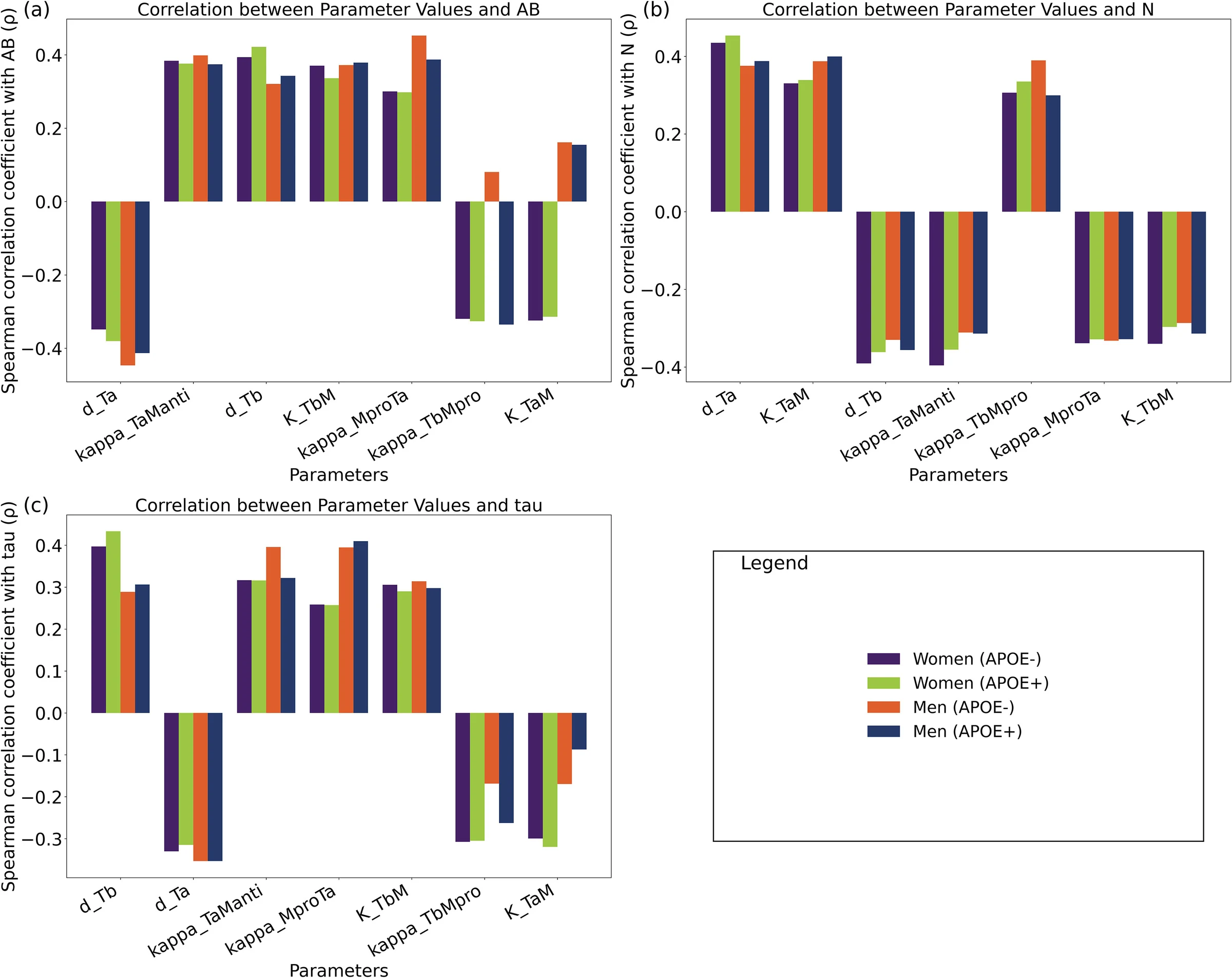
Cognitively normal participants from the Alzheimer’s Disease Neuroimaging Initiative database—211 people—provided data to calibrate a mathematical model in a computational study of brain aging. The model represented amyloid-beta plaques and tau tangles, two forms of protein buildup, along with brain inflammation and nerve cell death. Researchers identified its 30 most influential parameters, or adjustable settings, and calibrated it against plaques, tangles and nerve cell density.
Calibration reduced prediction errors for amyloid-beta and tau. The researchers then applied the calibrated model to 35,899 UK Biobank participants described as normal controls, aged 44–82. Its predictions closely matched nerve cell density patterns in this independent group.
Why it matters
Brain aging involves multiple biological processes. The authors propose this model as a framework for investigating how Alzheimer’s-related changes may emerge with age.
Caveats
Validation in normal controls aged 44–82 leaves the model’s performance in people with Alzheimer’s disease open.
From the paper
- Limitation
When generating our virtual sample, we assume that the parameters are independently distributed.
Quoted word for word from the full text on medRxiv.
The paper
External validation of a mathematical model of brain health
Institut universitaire de cardiologie et de pneumologie de Québec
Journal of Alzheimer's Disease, Nov 21, 2026, Open access, CC BY-NC

Comments
Be the first to comment.