Chromosome changes linked to differing clot risks in people
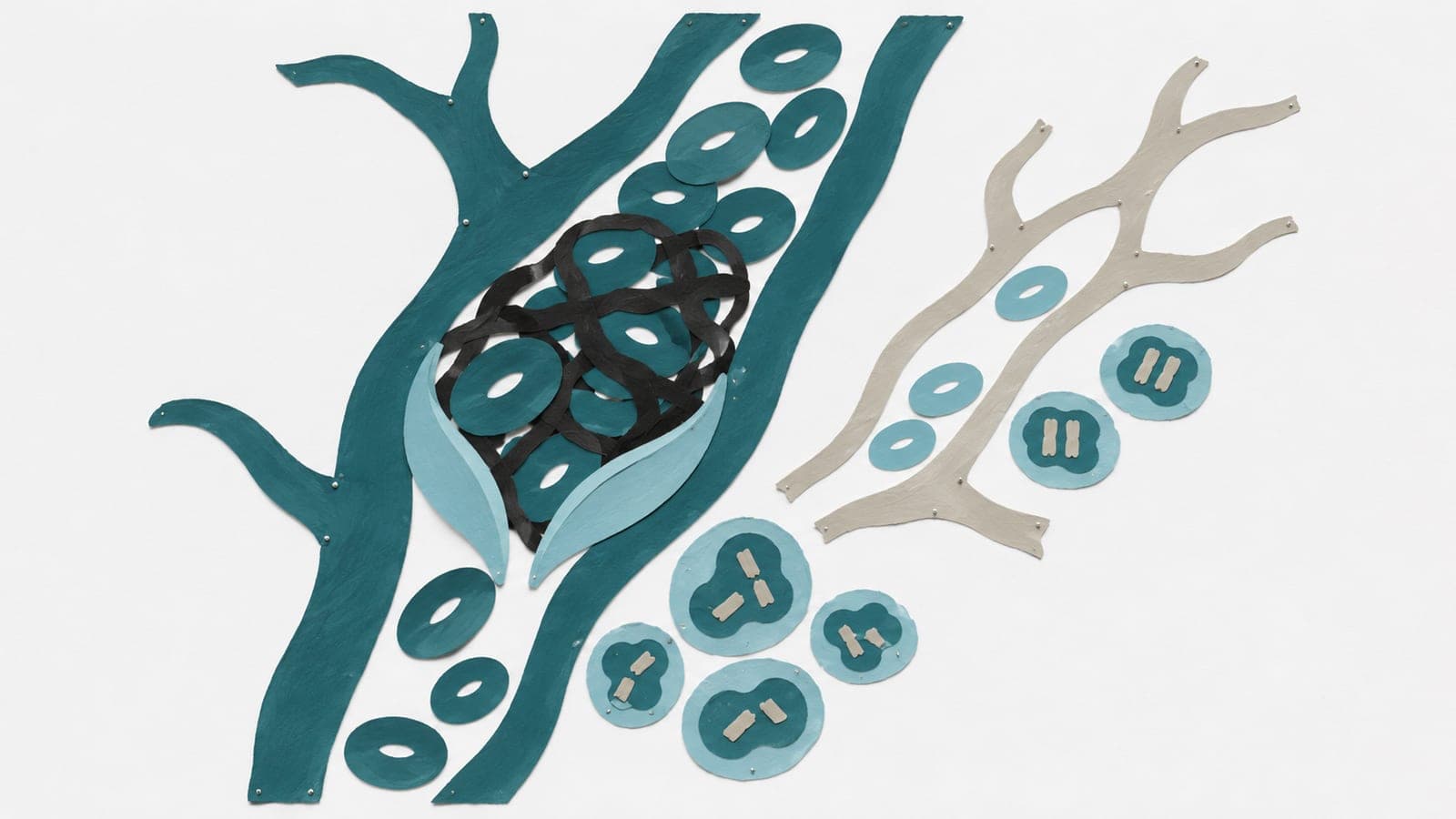
Large non-sex chromosome changes were linked to higher clot risk than in noncarriers, with a hazard ratio (relative risk over time) of 1.29.
Our read
Populations- Studied:
- Cohort study of people without existing cancer or venous clots, against noncarriers
- What changed:
- Venous clot risk was higher with large autosomal chromosome alterations than in noncarriers (hazard ratio 1.29)
- The catch:
- Carriers were older with more heart and metabolic conditions, so residual confounding may remain
- In the record:
- One of 5 papers on autosomal mosaic chromosomal alterations on record: 4 with results in people.
Editor of record: Boris Djordjevic · AgingResearch.News
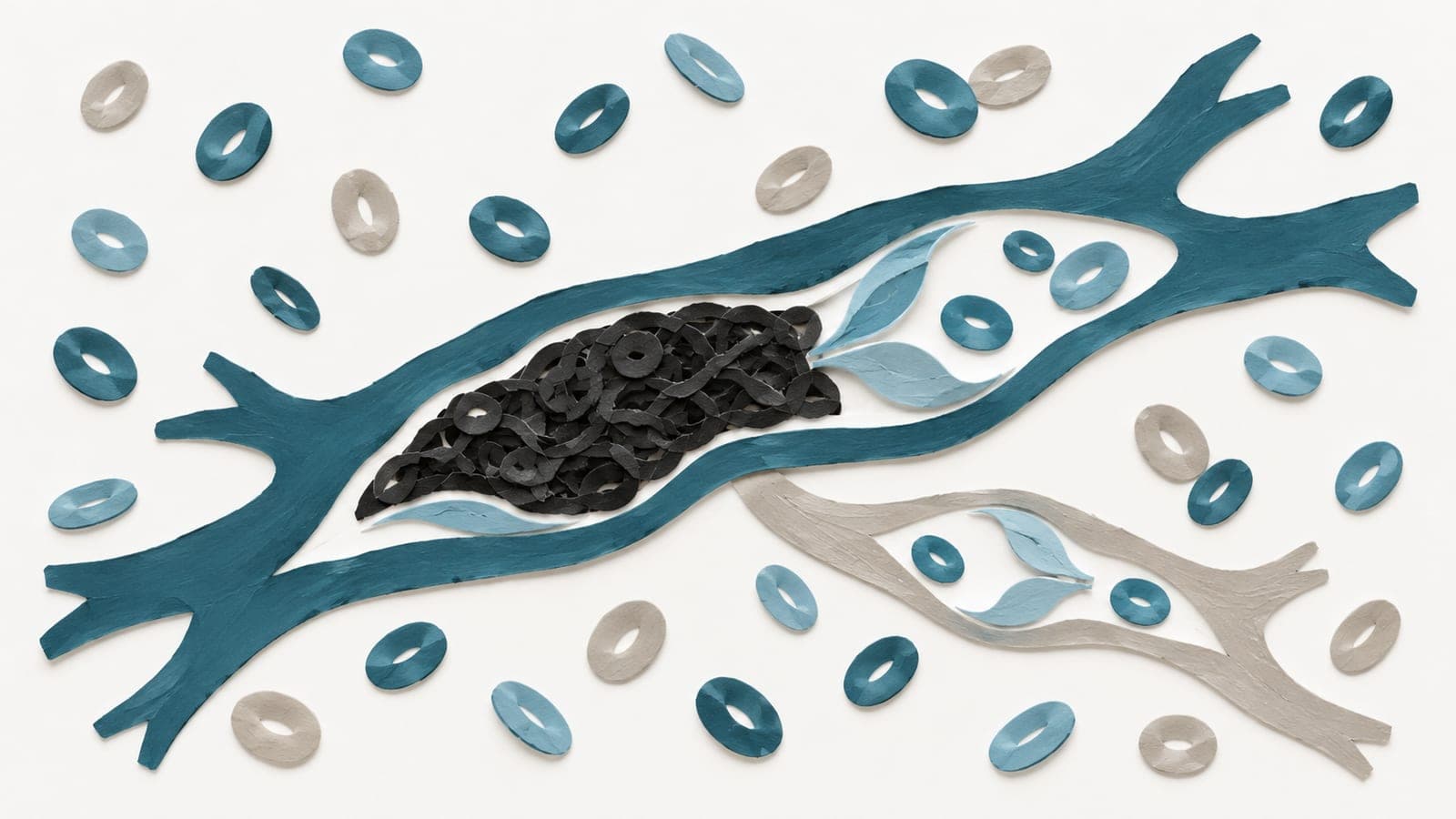
UK Biobank participants (416,287 people; average age 56.2; 54.6% female) and Mass General Brigham Biobank participants (36,379; average age 50.9; 56.8% female) were included in an observational study. None had existing cancer or venous thromboembolism, meaning blood clots in veins. Median follow-up was 13.7 years and 3.5 years, respectively.
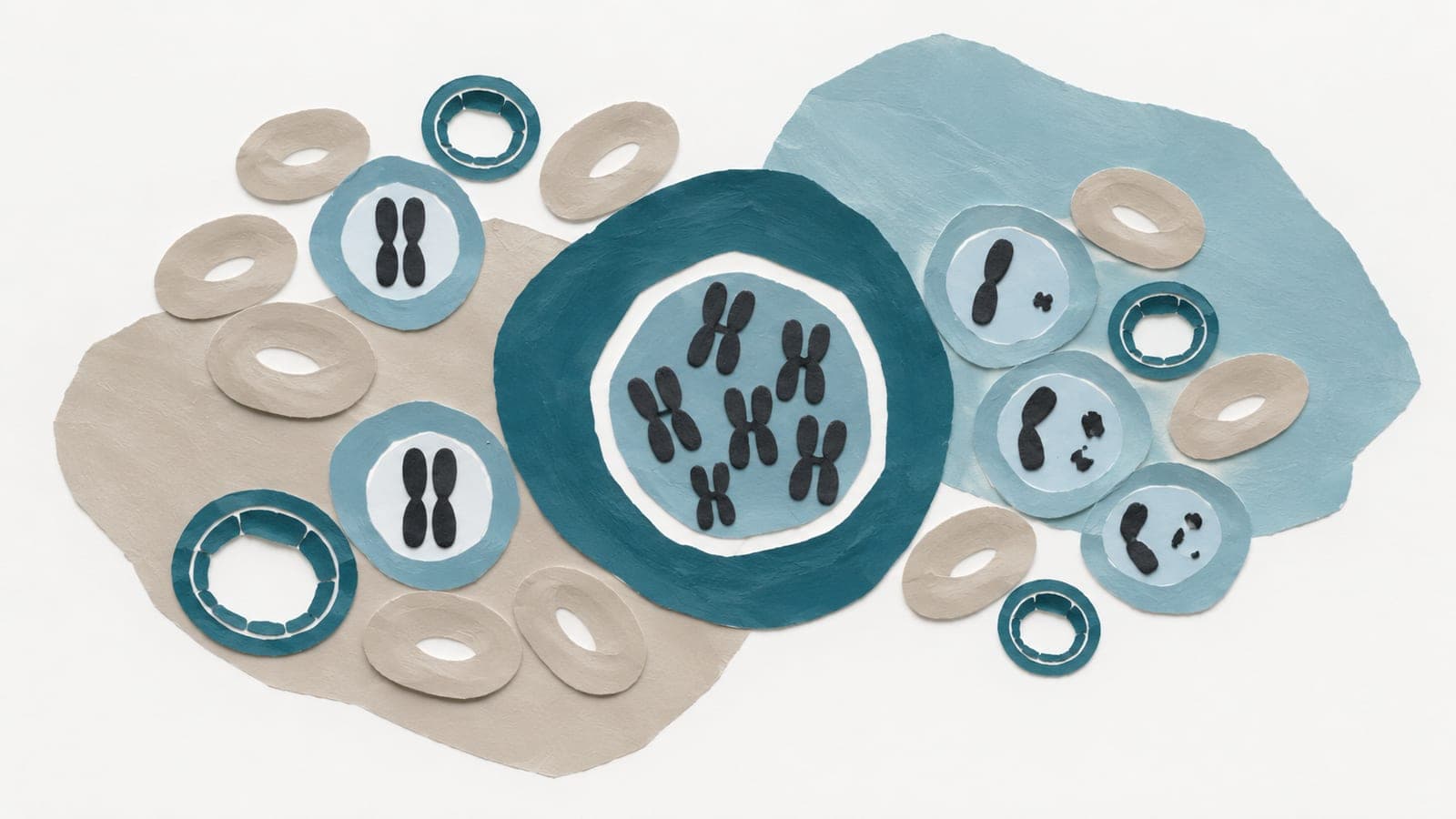
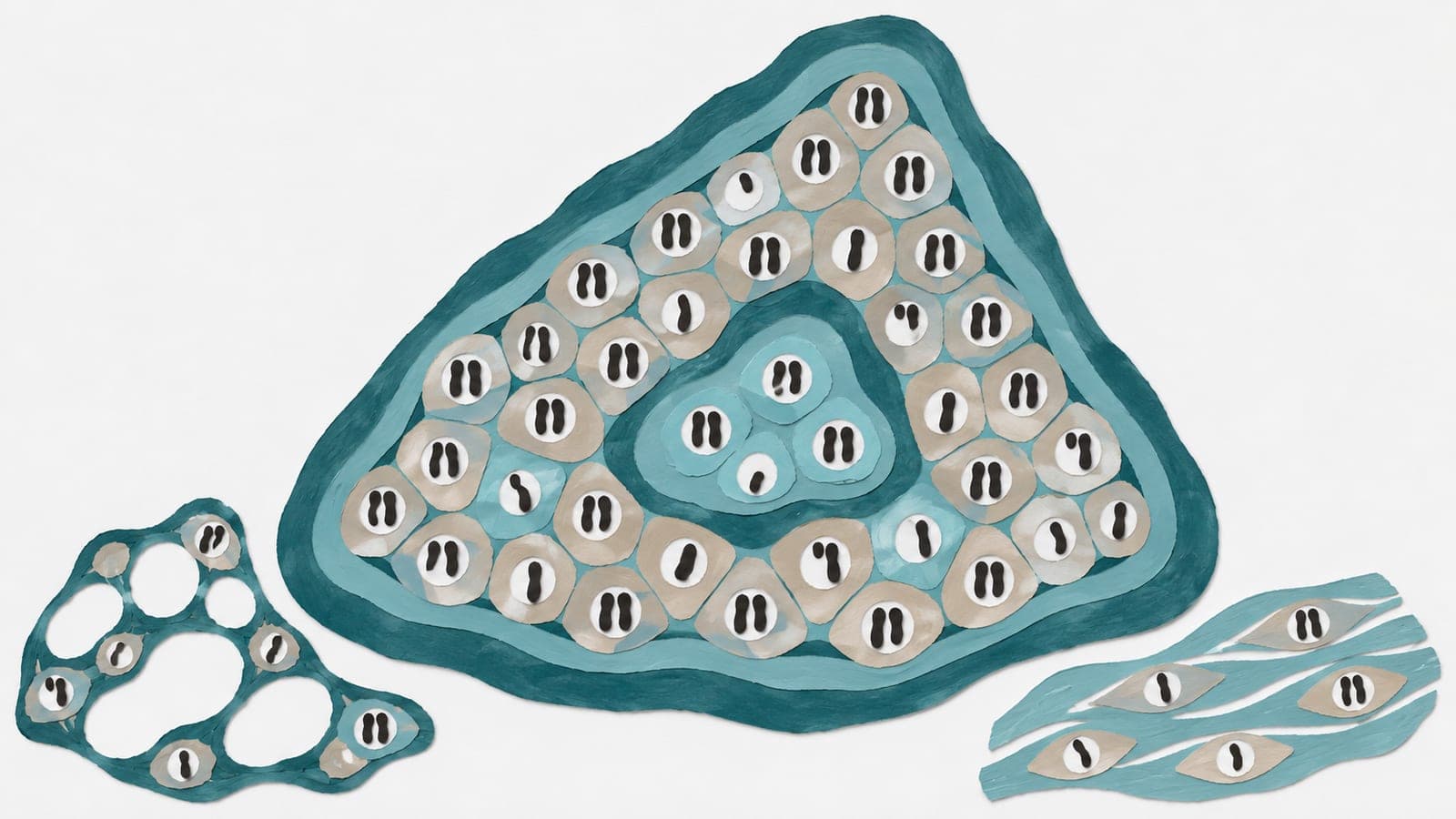
Researchers used genetic data to identify chromosome changes present in a subset of blood cells. They defined large changes as those present in at least 10% of cells. Large changes in non-sex chromosomes were associated with higher clot risk. Y-chromosome loss was associated with lower risk, including when it affected at least 10% of cells. X-chromosome loss showed no significant association. The pooled analysis adjusted for demographics, cardiovascular and clotting risk factors, and medications.
Why it matters
Age-related expansion of genetically altered blood cells has been linked to cancer and other adverse outcomes. The authors called for studies of the pathways linking specific chromosome changes to venous clot risk.
Caveats
Clots were identified through diagnosis codes, and carriers were older and had more heart and metabolic conditions; differences remaining after adjustment may have influenced the links. Reported in a conference abstract, the findings concern people without existing cancer or venous clots.
- Venous thromboembolism
- Autosomal mosaic chromosomal alterations
- Loss of X chromosome
- Loss of Y chromosome
- Mosaic chromosomal alterations
- Humans
The paper
Medicine; Massachusetts General Hosp
AHA Scientific Sessions 2026 Abstract, Nov 2, 2026
Presented at AHA Scientific Sessions 2026, abstract 7624
Comments
Be the first to comment.