Y chromosome loss linked to worse outcomes in heart-muscle disease
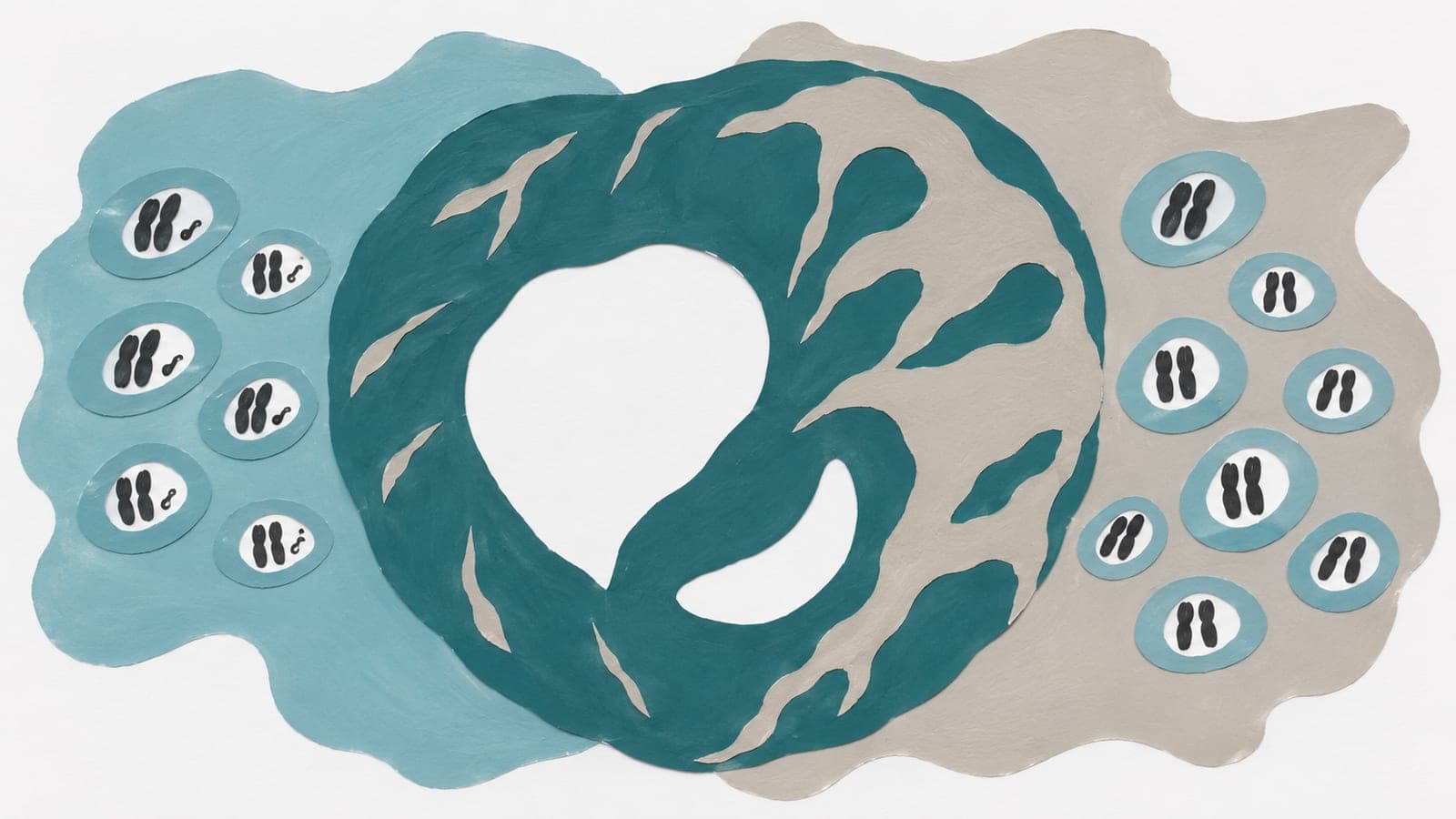
Blood-cell Y chromosome loss was linked to worse heart outcomes in 1,712 men with a heart-muscle disease (hazard ratio 2.19).
Our read
Mechanisms- Studied:
- Cohort study of 1,712 male patients with HCM
- What changed:
- Risk of adverse cardiovascular outcomes was higher in men with Y chromosome loss (hazard ratio 2.19)
- The catch:
- Follow-up duration and absolute event rates were not reported
- Why it’s aging research:
- It studies something that builds up in the body with age.
Editor of record: Boris Djordjevic · AgingResearch.News
The 1,712 men had hypertrophic cardiomyopathy, a disease that thickens heart muscle, and took part in an observational registry study. Researchers measured Y chromosome loss in blood samples and assessed heart scarring using magnetic resonance imaging.
Y chromosome loss was linked to a higher risk of an outcome combining cardiovascular death, abnormal rhythms in the heart’s lower chambers, heart transplantation or implantation of a heart-assisting pump. The hazard ratio, a measure of relative risk over time, was 2.19 before adjustment for established risk factors and 2.55 afterward. Men with Y chromosome loss affecting more than 10% of blood cells also had more extensive heart scarring on imaging.
Why it matters
Genetic changes in blood cells accumulate with age. The authors suggested that Y chromosome loss may promote heart scarring and predispose men with hypertrophic cardiomyopathy to sudden cardiac death.
Caveats
Other differences among the men may have influenced their outcomes despite adjustment for established risk factors. The conference abstract does not report follow-up duration or absolute event rates, which limits interpretation of the risk figures.
- Extracellular matrix remodeling
- Hypertrophic cardiomyopathy
- Myocardial fibrosis
- Sudden cardiac death
- Ventricular arrhythmia
- Humans
The paper
Robert M. Berne Cardiovascular Rsch Cntr; Univ of Virginia
AHA Scientific Sessions 2026 Abstract, Nov 2, 2026
Presented at AHA Scientific Sessions 2026, abstract 13531

Comments
Be the first to comment.