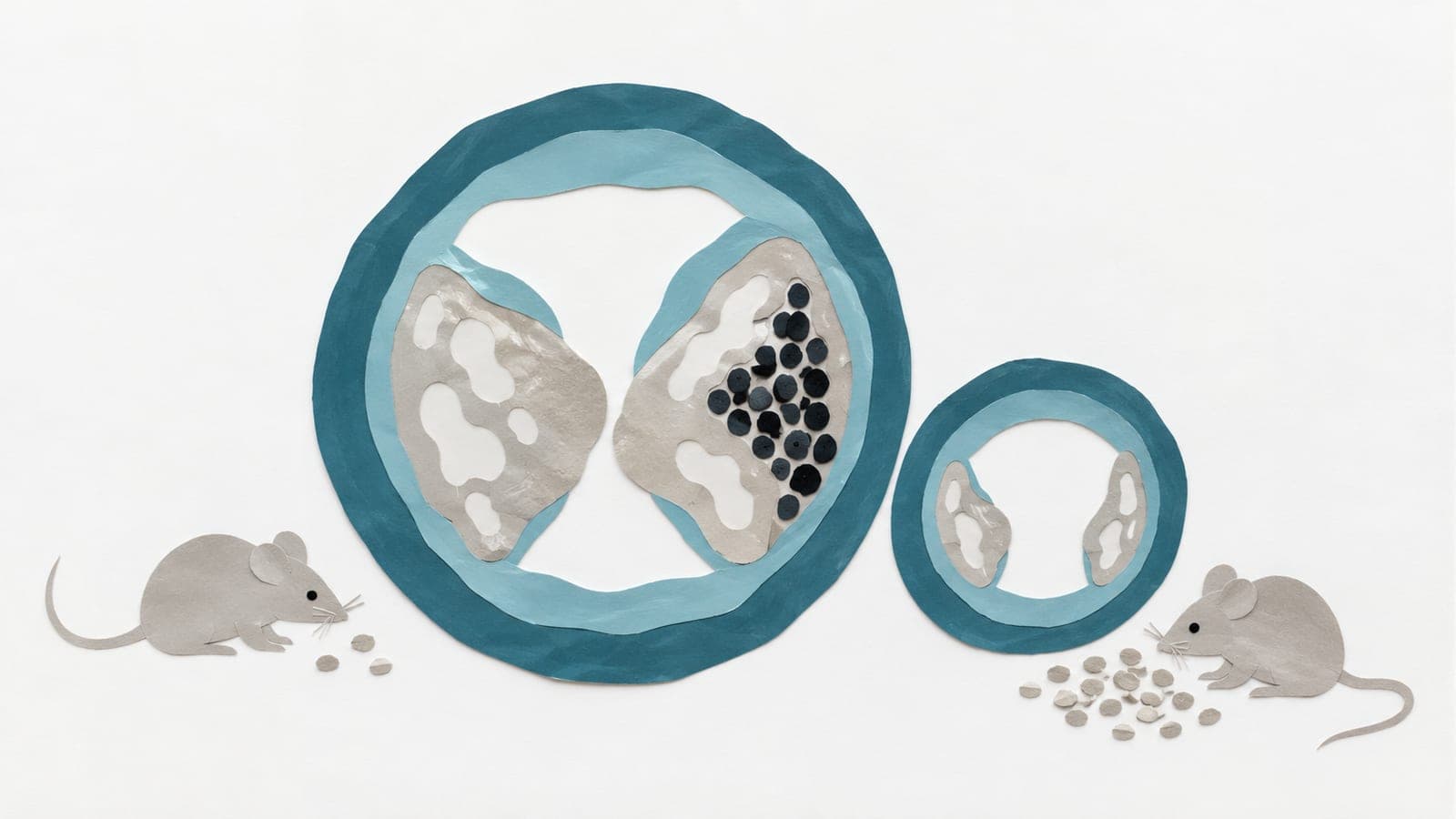
Short-term animal product restriction alters metabolic profiles and modulates immune function
Abstract
Abstract Diet shapes immune function and disease susceptibility, yet the underlying mechanisms remain poorly defined. Here, we investigated the immunometabolic effects of short-term dietary restriction of animal products in a unique group of Greek individuals who alternate between omnivory and animal product restriction for religious reasons. We profiled clinical biomarkers and immune parameters during both dietary states, alongside a control group of continuously omnivorous individuals. Dietary restriction was associated with reductions in total and non-high-density lipoprotein cholesterol, urea, creatinine, alanine aminotransferase, and gamma-glutamyltransferase, related to improvements in cardiovascular, renal and hepatic function. We also found a striking 73% reduction of normal range C-reactive protein levels. Immune profiling revealed reductions in non-classical monocytes, CD56⁺ Natural Killer cells, and CD8⁺ memory T cells, accompanied by increased levels of anti-inflammatory cytokine IL-10, suggesting a shift toward a less inflammatory immune state. Our findings demonstrate that short-term restriction of animal products rapidly improves metabolic and immunological health-related markers and may lower risk of chronic inflammatory disease. These insights highlight the translational potential of short-term dietary interventions in altering health-related risks.
The paper
Cyprus Institute of Neurology and Genetics; Alexander Fleming Biomedical Sciences Research Center
medRxiv, 25 May 2025, CC BY-NC-ND, Preprint, not peer-reviewed