Endurance Exercise Ameliorates Aging-Related Bradyarrhythmia in Drosophila Resulting from miR-283 Knockdown in LN v s
Abstract
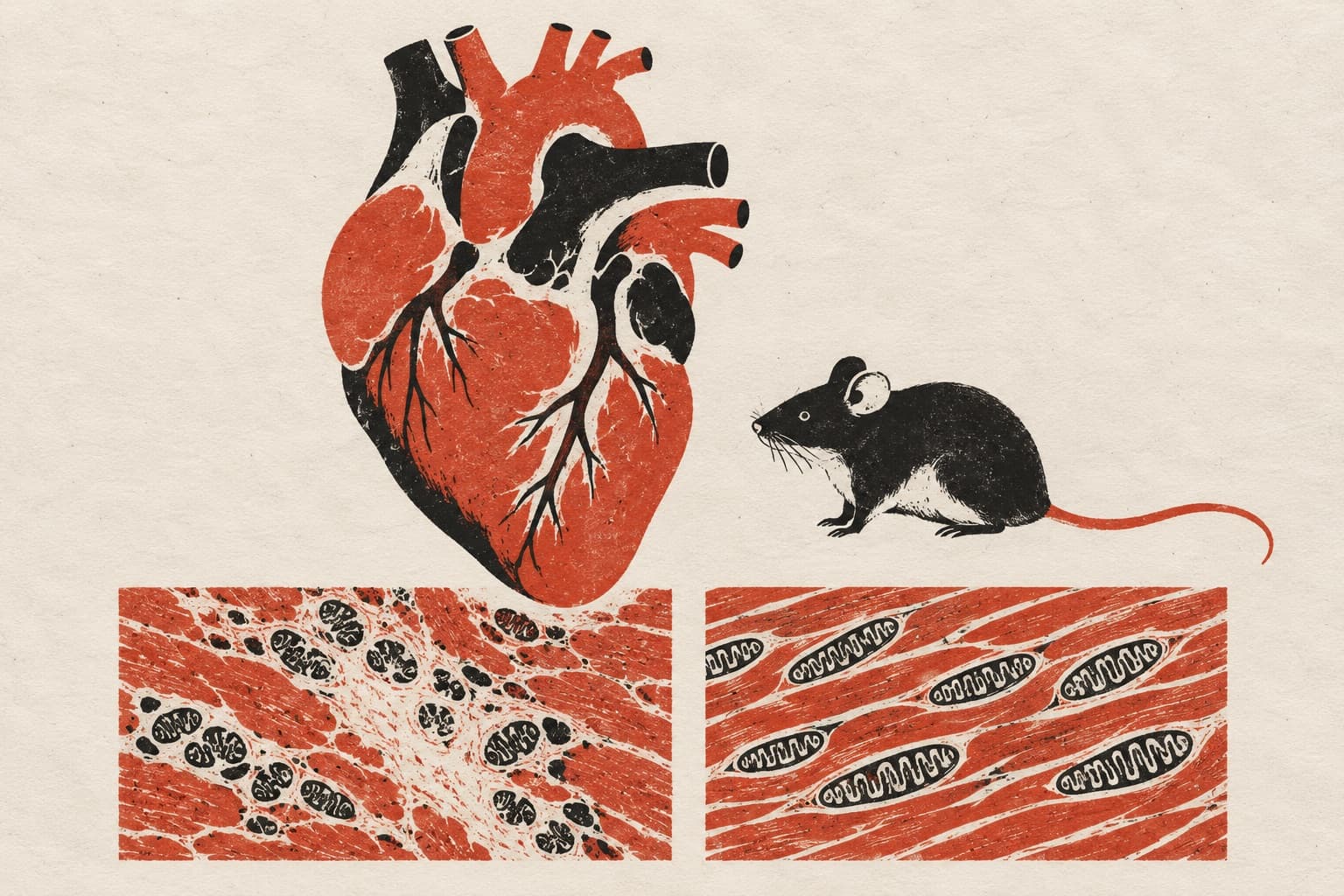
MicroRNAs (miRNAs) are crucial in regulating cardiac aging and related diseases, yet few functional miRNAs have been identified. Prior studies showed miR-216a upregulation in heart failure patients, but its impact on aging hearts is unknown. Our study revealed systemic miR-283 overexpression or knockdown caused age-related bradycardia, mimicking human bradyarrhythmia. Importantly, we found that knockdown of miR-283 in ventral-lateral neurons (LN v s), rather than in the heart, led to the occurrence of bradyarrhythmia, which was mainly caused by the upregulation of miR-283 expression in the whole brain and heart. The gene of clockwork orange ( cwo ) may mediate miR-283's effect on heart rhythm. Additionally, to investigate the miRNA regulatory mechanism underlying exercise-induced delay in cardiac aging, we conducted a three-week endurance exercise program on miR-283 knockdown flies in LN v s. We found that exercise significantly downregulated the accumulation of miR-283 in the brain and myocardium caused by aging or miR-283 knockdown in LN v s, improved the structure of myocardial fibers, and effectively reduced bradyarrhythmia. Our findings provides a new perspective on distal neuromodulation and intervention in cardiac aging.
The paper
Hunan Normal University
bioRxiv, 1 Mar 2025, CC BY, Preprint, not peer-reviewed