Endurance Training Restores Ageing-Impaired Lysosomal Biogenesis Factors in Rest and Response to Acute Exercise in Rat Skeletal Muscle
Abstract
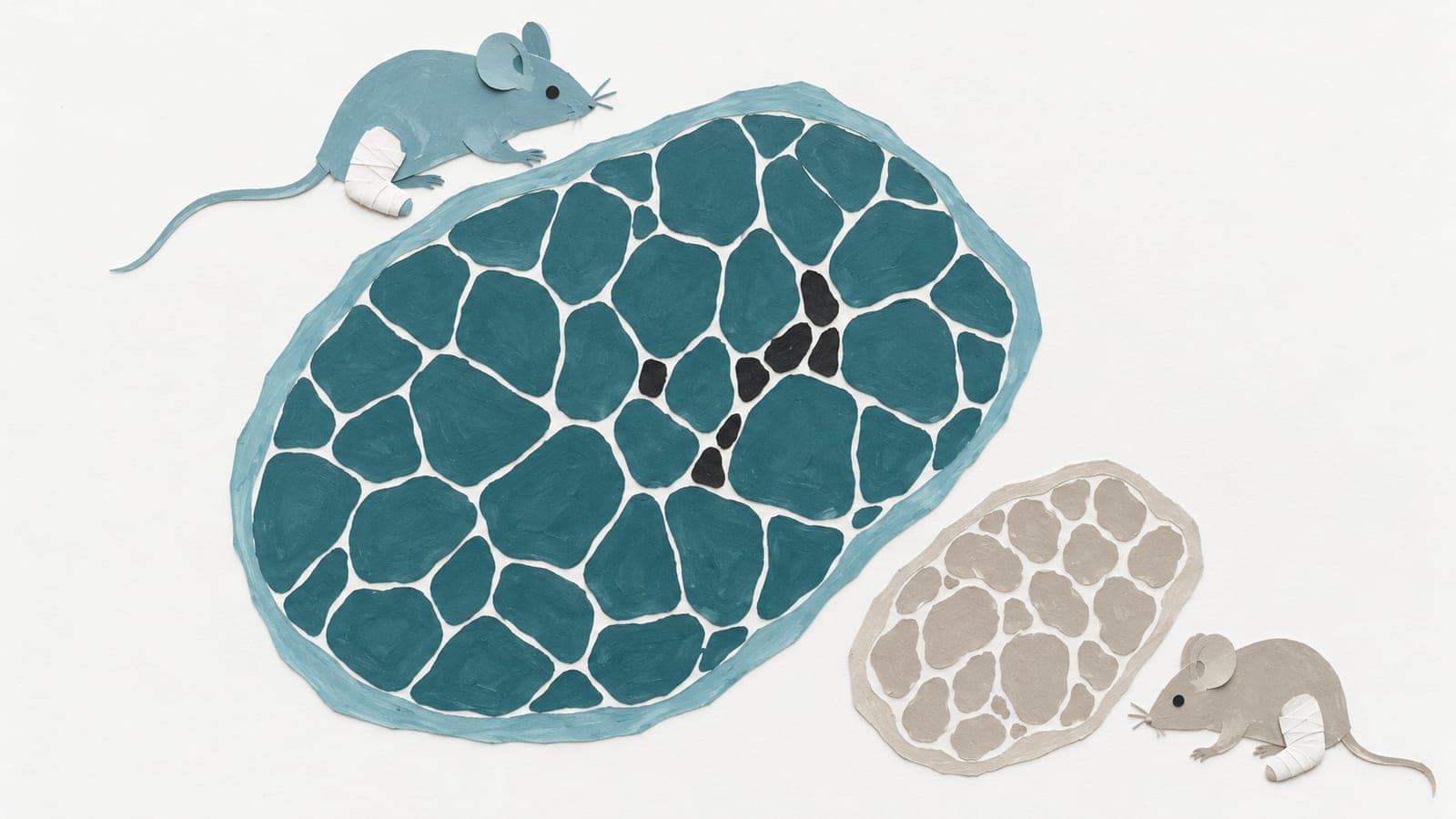
Abstract Purpose Lysosomes, crucial for autophagy, play a pivotal role in cellular processes influenced by exercise. This study investigates the impact of ageing on lysosomal function, focusing on Transcription Factor E3 and its regulators, mTORC1 and Calcineurin, emphasizing their response and adaptation to endurance training Methods Twenty-five male Sprague-Dawley rats were categorised into Young (2 months), Aged sedentary and Aged sedentary single session (18 months), Aged long-term trained, and Aged trained-single session (17 months). Changes in variables were explored concerning sarcopenia by Soleus muscle fibre diameter and number measured via Eosin & Hematoxylin, phosphorylated and total TFE3 protein levels via western blot, mTORC1 and Calcineurin mRNA levels via real-time PCR. Results Ageing occurred with increased pTFE3/TFE3 total protein (BF=579), declined mTORC1 mRNA (BF=3.99), and muscle diameter (BF=87), signifying sarcopenia and potential contributors. Conversely, Calcineurin mRNA (BF=0.67) and muscle fibre number (BF=0.31) remained unaltered during ageing. Exercise elicited acute responses, reducing pTFE3/TFE3 total protein (BF=306), elevating mTORC1 (BF=1.57) and Calcineurin mRNA levels (BF=3.19). Three weeks of endurance training further decreased resting pTFE3/TFE3 total protein (BF=174) while increasing Calcineurin mRNA (BF=12) and muscle fibre diameter (BF=126), with no changes in mTORC1 mRNA levels (BF=0.46) and muscle fibre number. Post-exercise, trained rats sustained decreased pTFE3/TFE3 total protein (BF=56) and elevated mTORC1 mRNA (BF=1.16). Conclusion This study underscores the involvement of TFE3, MTORC1, and Calcineurin in sarcopenia, proposing endurance training as an effective strategy to mitigate age-related changes and enhance muscle function in aged rats. Additionally, it suggests impairments in TFE3 possibly contribute to sarcopenia. key point Given the pivotal role lysosomes play in multiple homeostatic processes, investigating mTORC1, Calcineurin, and TFE3, an overlooked lysosome biogenesis factor involved in the metabolic effects of exercise, could help understand the metabolic state of sarcopenia and the role exercise plays. Through eosin & hematoxylin, western blotting and real-time PCR, we found Ageing results in sarcopenia, reduced TFE3 activity and mTORC1 gene expression. We saw a single bout of Endurance training elicited a response by increasing TFE3 protein activation, mTORC1, and Calcineurin gene expression, which is directed to improved sarcopenia. Three weeks of endurance training improved sarcopenia and was accompanied by elevated resting levels of TFE3 protein activation, and Calcineurin gene expression. Endurance training was still able to elicit post exercise response in TFE3 protein activation, and Calcineurin gene expression. Endurance training is a beneficial for sarcopenia, and TFE3 protein is a major player in inducing its effects.
The paper
Kharazmi University; Simon Fraser University
Qeios, 29 Jan 2025, CC BY, Preprint, not peer-reviewed