Reversing Immunosenescence with Senolytics to Enhance Tumor Immunotherapy
Registered NCT04718415
Abstract
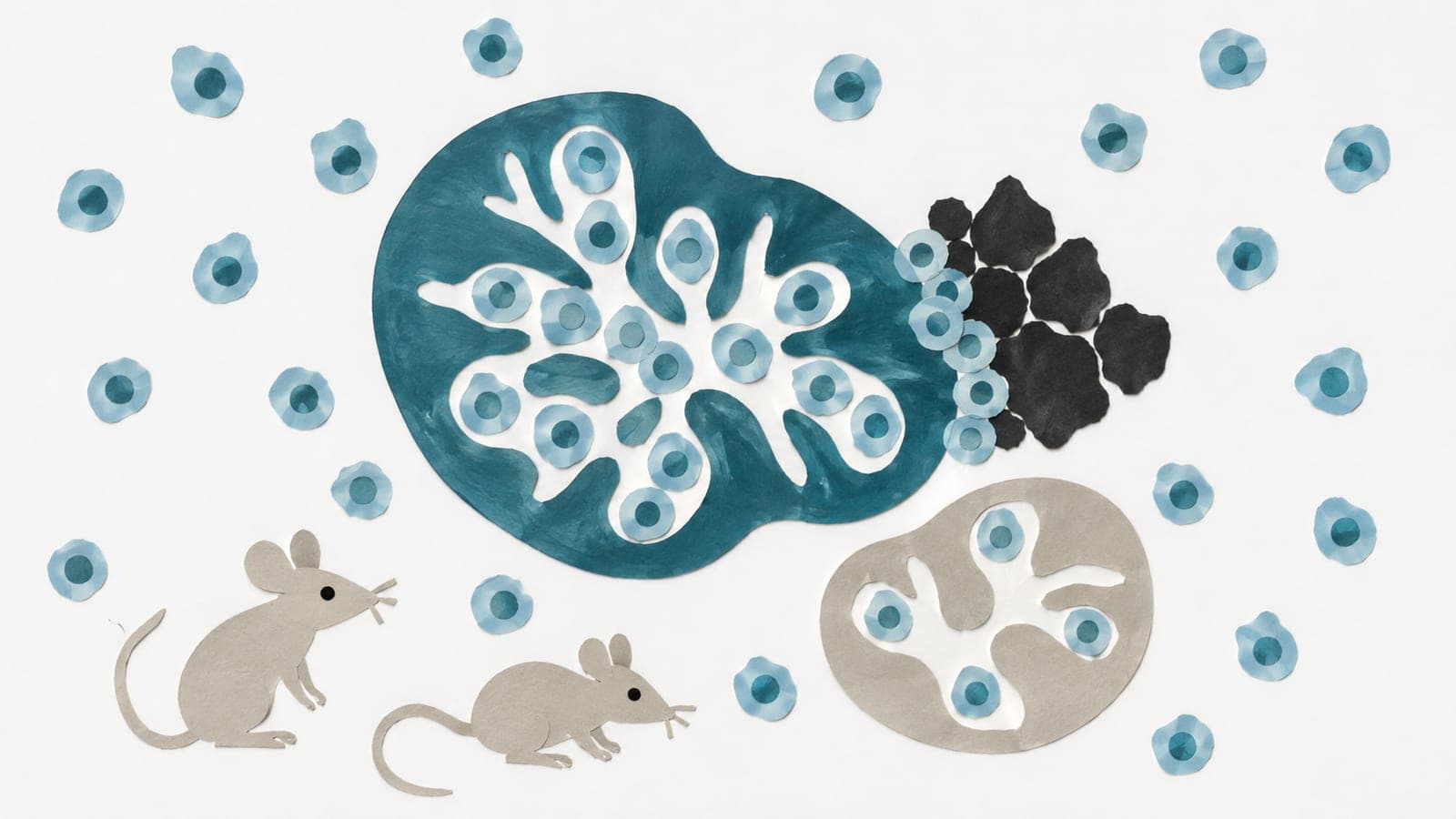
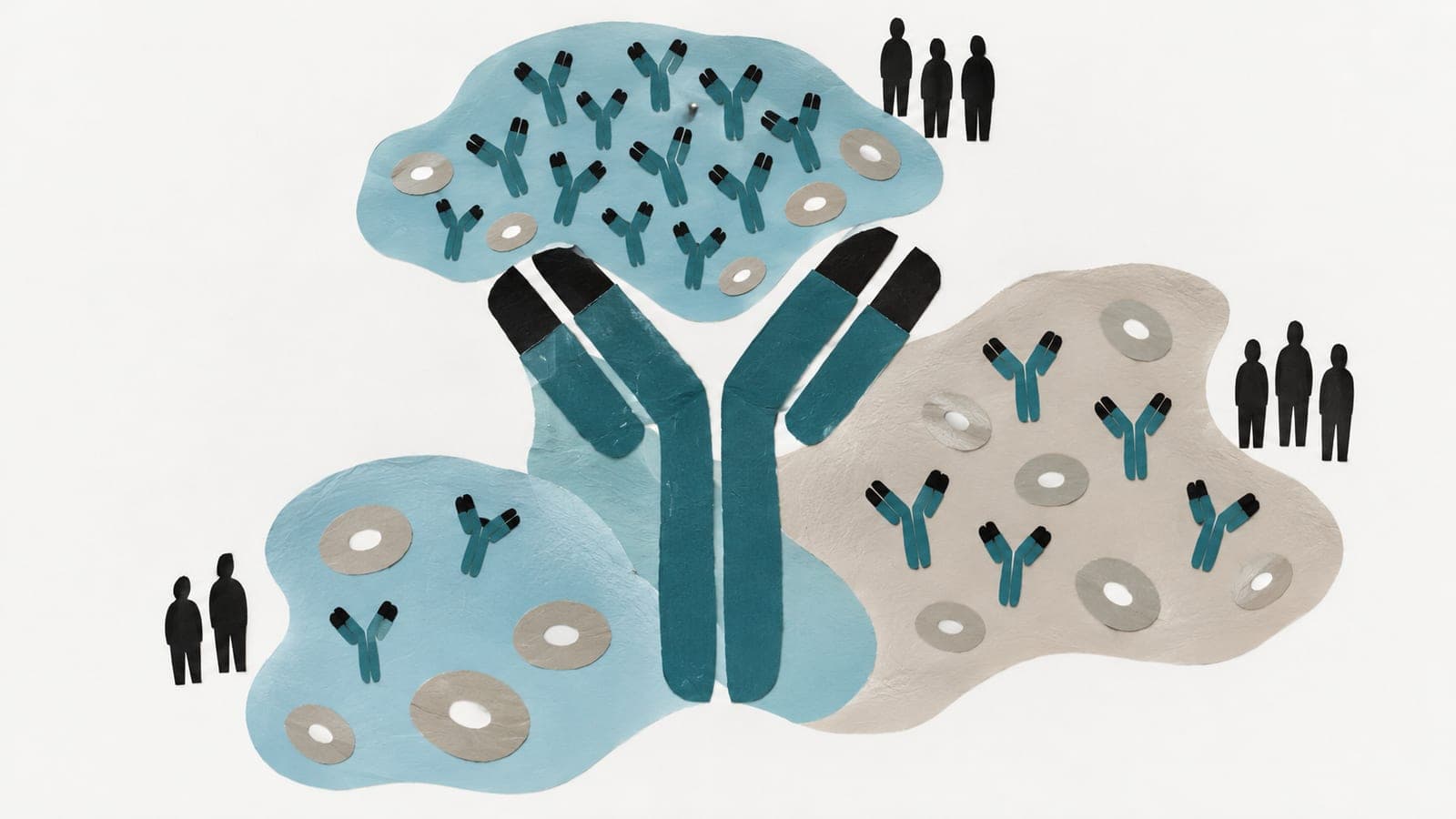
Abstract Recent advancements in cancer immunotherapy have improved patient outcomes, yet responses to immunotherapy remain moderate. We conducted a Phase II clinical trial ( NCT04718415 ) involving 51 cancer patients undergoing neoadjuvant chemoimmunotherapy and applied single-cell RNA and T/BCR sequencing on tumor and blood samples to elucidate the immune cell perturbations. Our findings associate poor response with reduced levels of CCR7 + CD4 Naïve T cells and CD27 + Memory B cells, as well as higher expression of immunosenescence-related genes in T and B cell subsets. Using naturally aged and Ercc1 +/- transgenic aging mouse models, we found that senolytics enhance the therapeutic efficacy of immunotherapy in multiple solid tumors by mitigating tumor immunosenescence. Notably, we launched a Phase II clinical trial, COIS-01 ( NCT05724329 ), which pioneers the combination of senolytics with anti-PD-1 therapy. The clinical results demonstrate that this therapeutic strategy is associated with a favorable safety profile and therapeutic efficacy, significantly mitigating adverse effects and alleviating immunosenescence. These findings underscore the pivotal role of immunosenescence characteristics in influencing the effectiveness of immunotherapy and suggest a promising therapeutic efficacy along with a beneficial safety assessment for the combination of senolytics with anti-PD-1 therapy.
The paper
Sun Yat-sen Memorial Hospital
medRxiv, 15 Oct 2024, Open access, CC BY, Preprint, not peer-reviewed