Suppression of follistatin by spontaneous seizures dysregulates neurogenesis in a model of Alzheimer’s disease neuropathology
Abstract
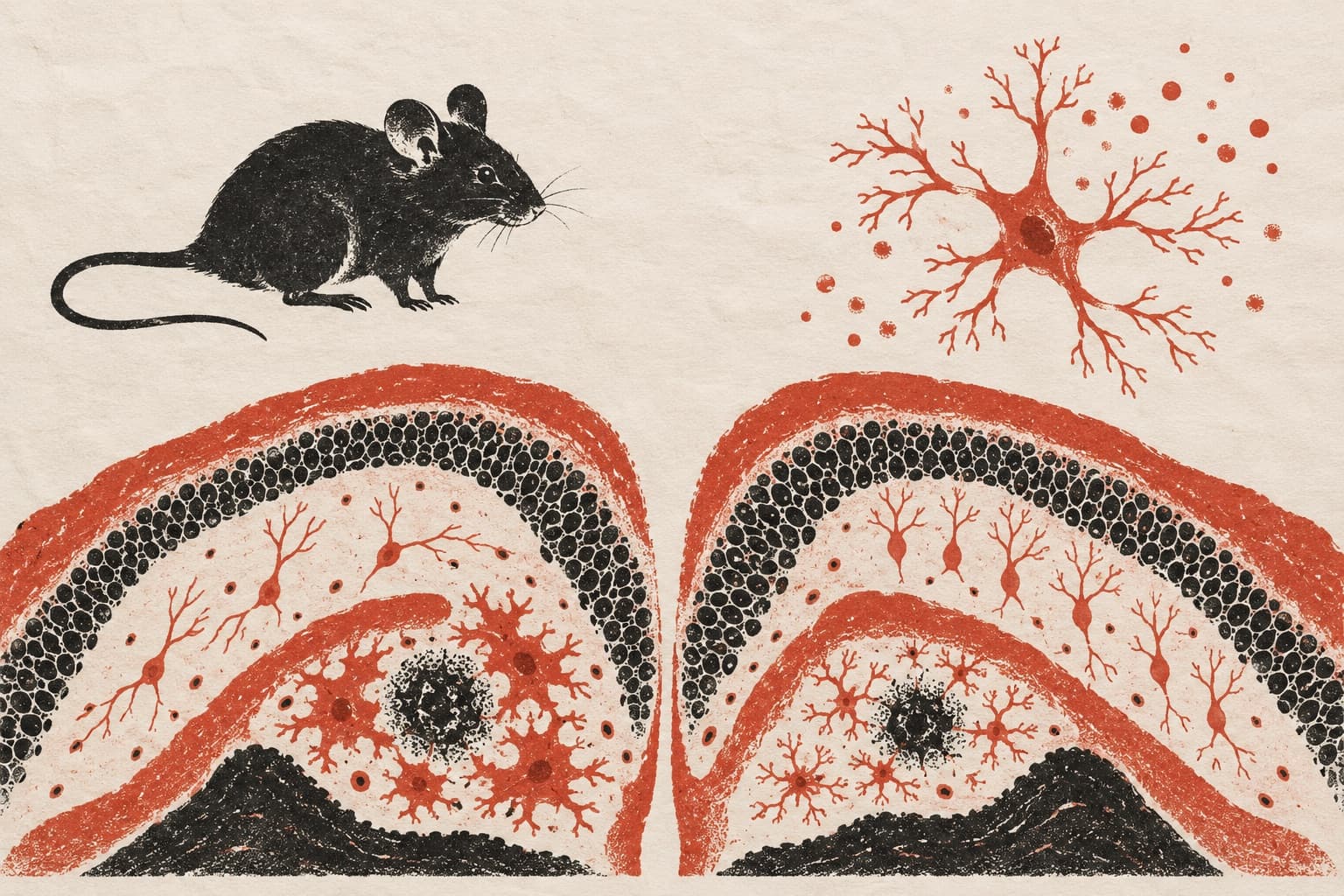
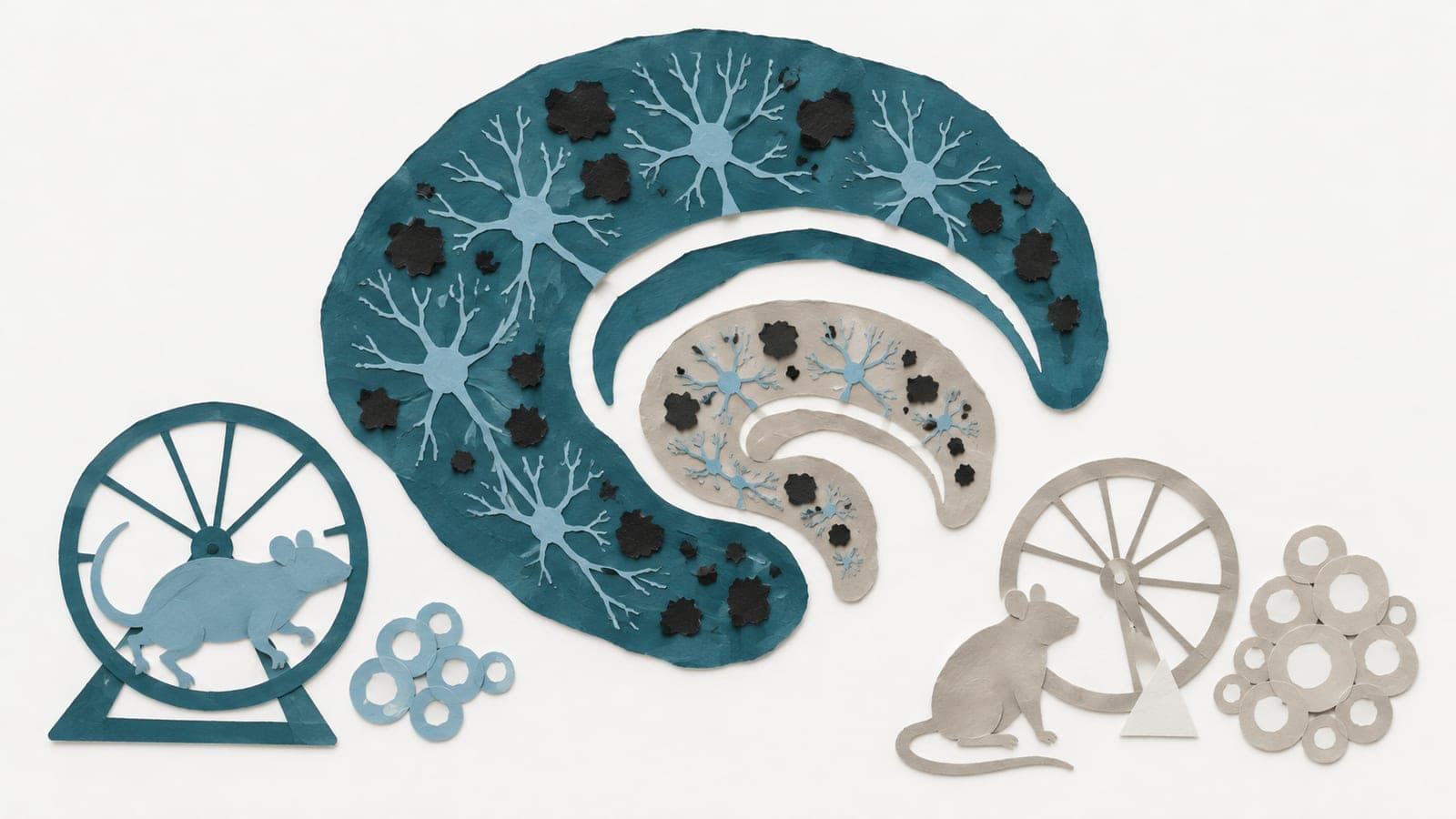
Adult hippocampal neurogenesis is perturbed in neurological disorders accompanied by seizures, including Alzheimer’s disease (AD). The molecular mechanisms by which seizures disrupt neurogenesis are unclear. Here, we report that follistatin (FST), an antagonist of TGFβ ligands, plays a pivotal role in seizure-induced dysregulation of neurogenesis. We find that FST expression is reduced in the dentate gyrus of a mouse model of AD neuropathology that exhibits infrequent spontaneous seizures similar to those in individuals with AD. Treatment with an antiseizure drug improves FST expression in AD mice, whereas a seizure-inducing agent suppresses FST expression in wild-type mice. We identify c-Fos, whose expression is suppressed by the seizure-induced transcription factor ∆FosB, as a transcriptional activator of Fst . Lastly, ablation of Fst dysregulates neurogenesis dynamics in wild-type mice, whereas FST treatment normalizes dynamics in AD mice. These findings reveal a previously unidentified activity-dependent mechanism in which the expression of FST controls neurogenesis dynamics.
The paper
Baylor College of Medicine
Communications Biology, 10 Oct 2026, CC BY-NC-ND