A regulatory RNA segment eases osteoporosis in mice
In an experiment in mice with their ovaries removed, the RNA segment eased physical features of osteoporosis.
Limit: The abstract omits animal sample sizes
Edited by Boris Djordjevic · AgingResearch.News
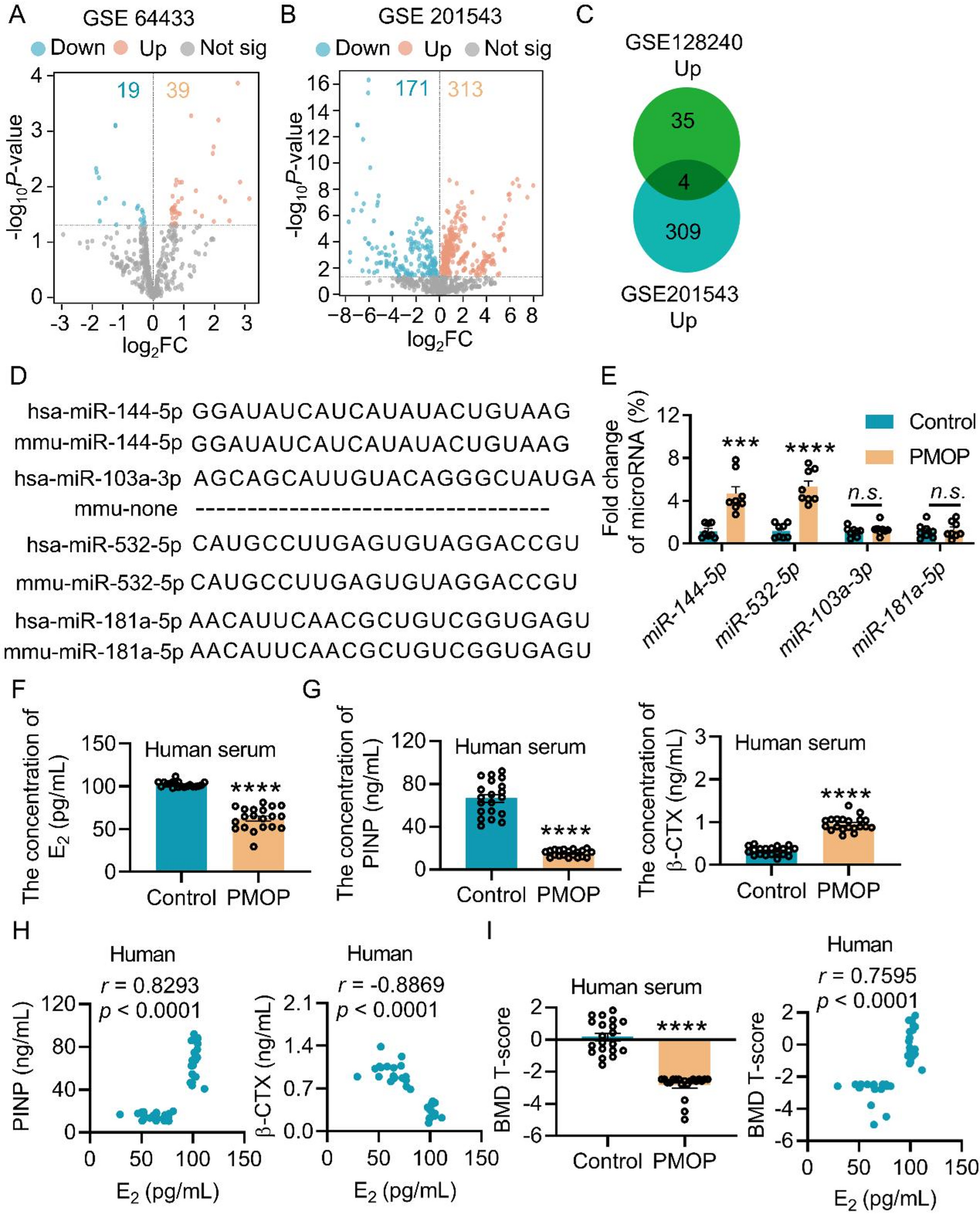
Researchers analyzed blood from patients with postmenopausal osteoporosis and ran experiments in mice whose ovaries had been removed and mouse bone cells to investigate RNA molecules involved in bone loss. Two microRNAs, small molecules that regulate gene activity, were highly expressed in patient serum. Both molecules, named miR-144-5p and miR-532-5p, were also highly expressed in serum and bone tissue from the mice, as well as in mouse osteoblasts, which are bone-building cells. Laboratory assays showed that both microRNAs bound to an untranslated tail region of RNA from the CHD9 gene. In mouse osteoblasts, the CHD9 protein positively regulated the activity of RUNX2, a gene that helps control other genes. In animal experiments, this CHD9 RNA region eased osteoporotic features in mice whose ovaries had been removed.
Why it matters
Osteoporosis affects about one-third of women after menopause, leaving bones fragile and prone to fractures. Understanding how regulatory RNA fragments interact with microRNAs highlights potential targets for therapies against postmenopausal bone loss.
Caveats
The microRNAs were candidates selected because their levels differed in patient blood samples. The therapeutic effect was tested in mice, not people, and the abstract did not report sample sizes.
