Packages from immature bone-forming cells reduced bone loss in mice
In a mouse experiment, injections of packages released by immature bone-forming cells improved bone structure after ovary removal.
Limit: Bone strength and fracture outcomes were not reported; results concerned bone loss and microscopic structure
Edited by Boris Djordjevic · AgingResearch.News
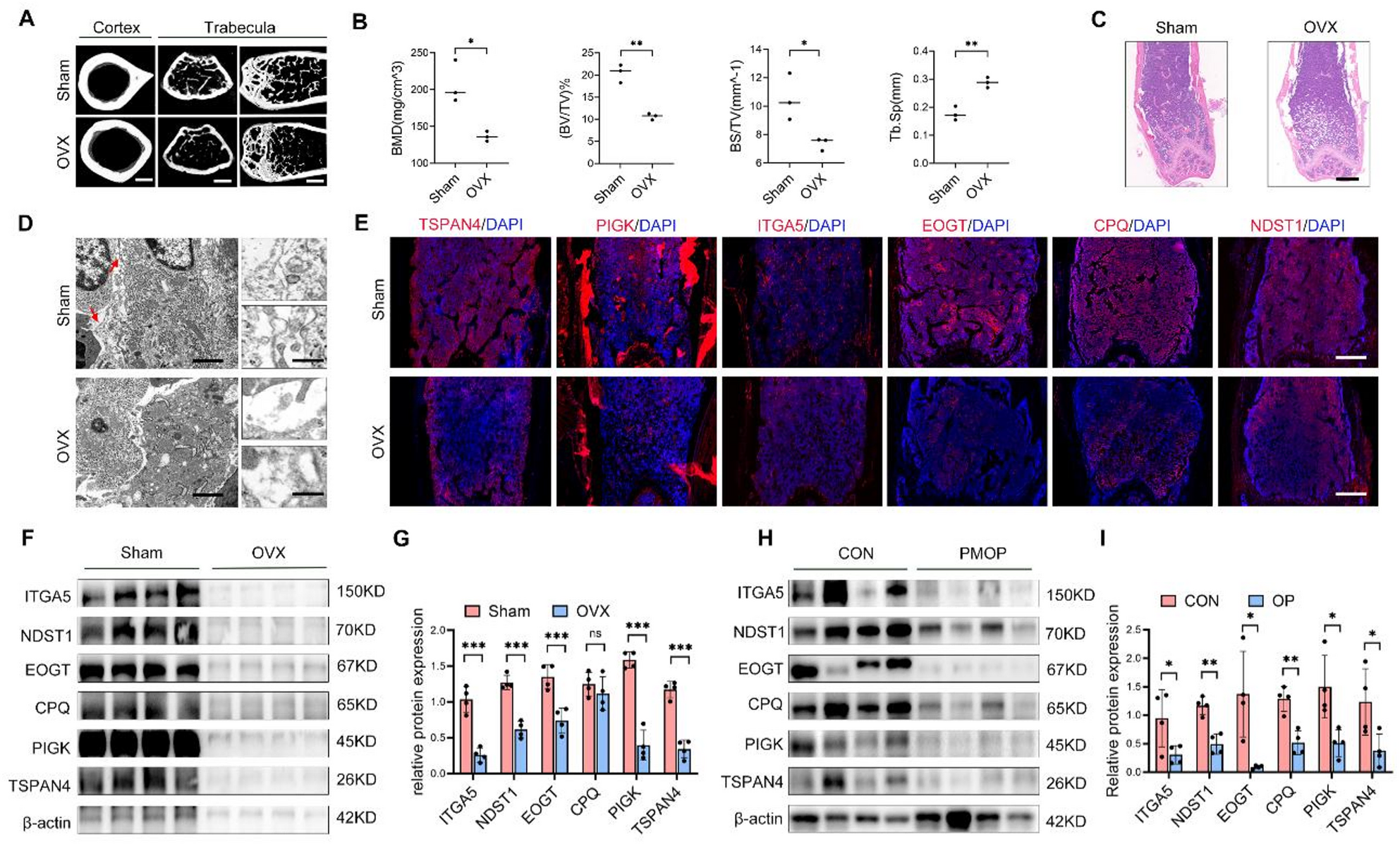
In mice with osteoporosis induced by ovary removal, researchers tested injections of migrasomes, small packages released by moving cells. These packages came from pre-osteoblasts, immature cells that develop into bone-forming cells. The injections reduced bone loss and improved the bone’s microscopic structure.
In experiments with mouse cells grown in the lab, the packages delivered miR-21a-5p, a small RNA molecule that regulates gene activity. This inhibited the development of osteoclasts, the cells that break down bone, without directly affecting the development of bone-forming cells. In the mice, injections of a synthetic mimic of this RNA also improved bone structure.
Why it matters
Osteoporosis disrupts the balance between bone formation and breakdown. The work supports further research on this small RNA as a potential target for osteoporosis treatment.
Caveats
The treatment results came from a surgically induced mouse model and cells grown in the lab. They do not show whether this approach would work in people with osteoporosis.
The paper
Northern Jiangsu People's Hospital
Journal of Translational Medicine, Oct 22, 2026, Open access, CC BY-NC-ND