Metabolic dysfunction-associated fatty liver disease and long-term kidney function decline: a 16-year population-based cohort study
Abstract
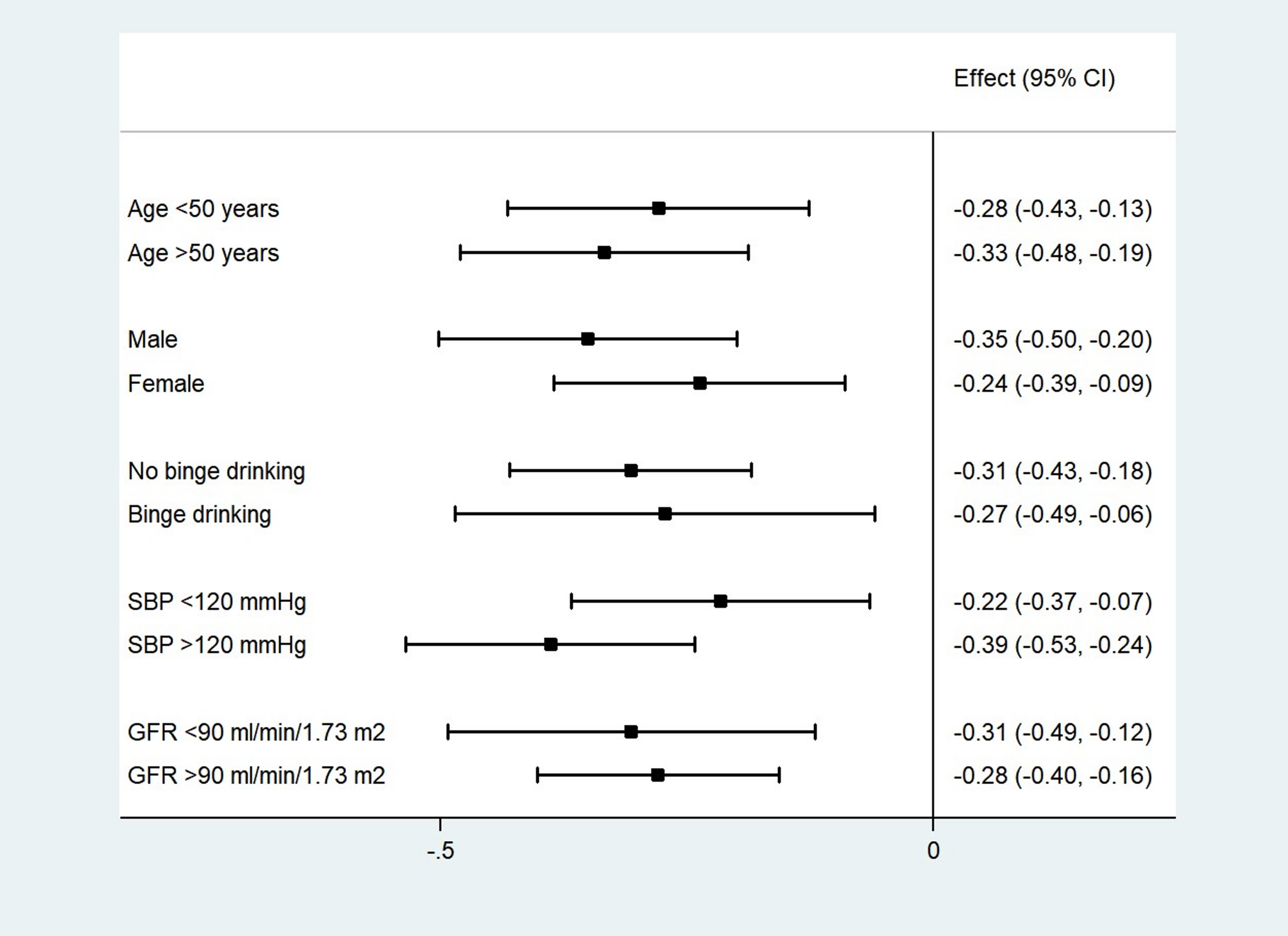
Metabolic dysfunction-associated fatty liver disease (MAFLD) is associated with chronic kidney disease (CKD), but its long-term impact on kidney function remains unclear. We investigated the association between MAFLD and kidney outcomes over 16 years using data from the Korean Genome and Epidemiology Study. Among 10,030 participants aged 40–69 years recruited in 2001–2002, 8,827 with sufficient baseline and follow-up data were included. MAFLD was defined using the fatty liver index (FLI ≥ 30) combined with metabolic criteria. The primary outcome was the longitudinal estimated glomerular filtration rate (eGFR) slope assessed using linear mixed-effects models. The secondary outcome was incident CKD (eGFR < 60 ml/min/1.73 m 2 ). At baseline, 45.1% ( n = 3,978) had FLI-defined MAFLD. Over 16 years, the median annual eGFR decline was − 0.61 mL/min/1.73 m 2 per year. After multivariable adjustment, MAFLD was independently associated with accelerated eGFR decline (β: −0.29; 95% CI:−0.39 to − 0.18; P < 0.001). During a median follow-up of 15.4 years, 19.5% ( n = 1,662) developed CKD, and MAFLD was associated with a 26% increased risk of incident CKD (hazard ratio: 1.26, 95% CI: 1.11–1.43; P < 0.001). Higher FLI categories were associated with progressively steeper eGFR decline. In conclusion, MAFLD was independently associated with accelerated kidney function decline and increased CKD risk over 16 years, highlighting the importance of kidney function monitoring in individuals with MAFLD.
- Metabolic dysfunction-associated fatty liver disease
- Chronic kidney disease
- Incident chronic kidney disease
- Estimated glomerular filtration rate
- Estimated glomerular filtration rate slope
- Humans
The paper
Sungkyunkwan University
Scientific Reports, 12 Oct 2026, Open access, CC BY-NC-ND