Tiny fat-based particles delivered RNA to mouse brains
In mouse experiments, the particles delivered gene-editing components to the brain and carried RNA that reduced radiation-induced brain injury.
Limit: The abstract does not report how many animals supported the brain-delivery result
Edited by Boris Djordjevic · AgingResearch.News
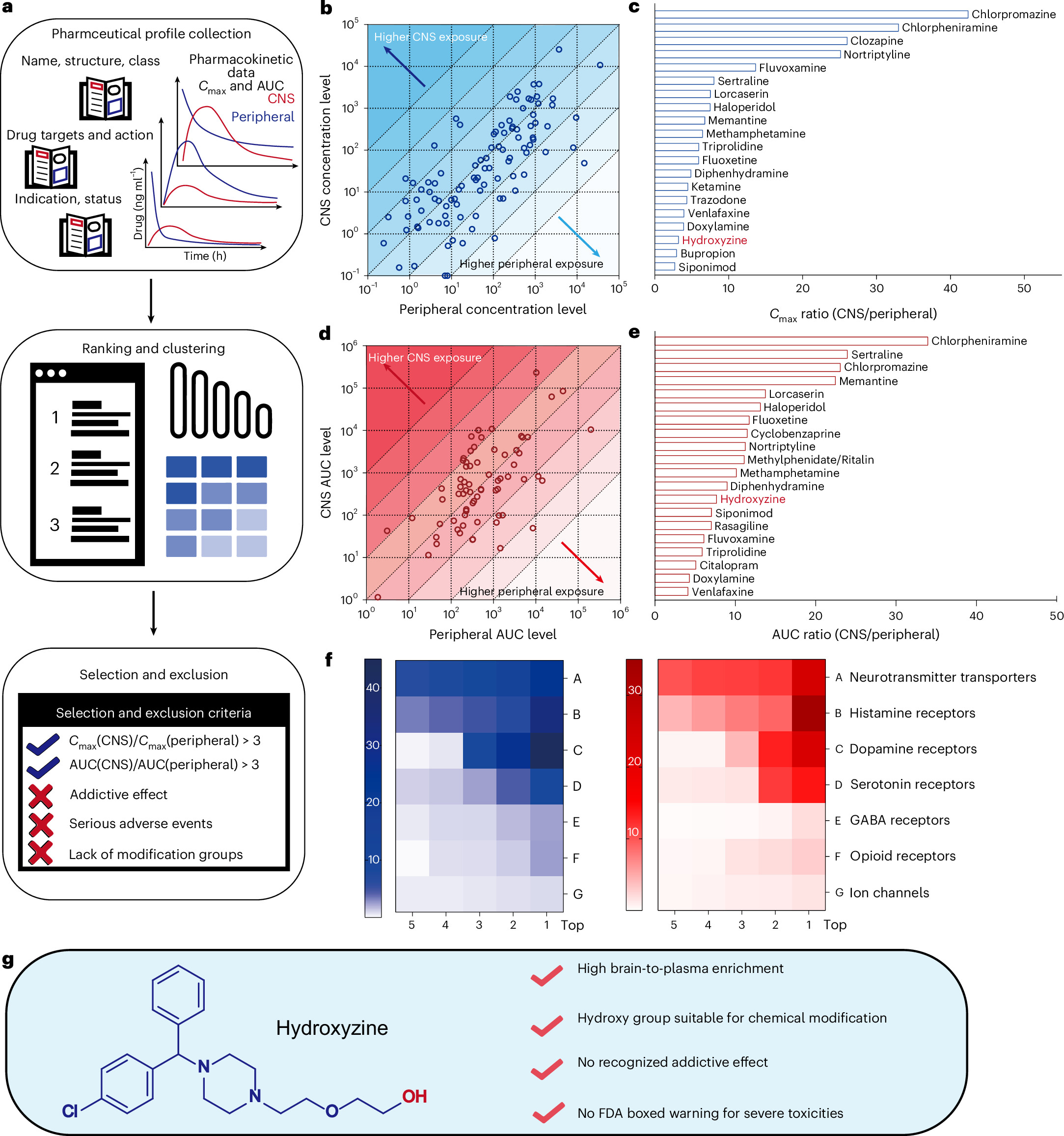
In mice, researchers tested HX1 lipid nanoparticles, tiny fat-based carriers designed to deliver RNA to the brain. To design them, the team analyzed the properties of more than 100 drugs active in the central nervous system, which includes the brain and spinal cord. They identified the drug hydroxyzine as a promising starting structure.
The particles delivered messenger RNA, instructions cells use to make proteins, to mouse brains through multiple routes across the brain’s barriers. They also delivered RNA components for CRISPR, a gene-editing method, enabling efficient editing in mouse brains. Particles carrying messenger RNA for the protein interleukin-10 reduced radiation-induced brain injury in mice. In a separate experiment, the particles delivered messenger RNA for luciferase, a light-producing protein, to the brain of a non-human primate.
Why it matters
The brain’s protective barriers present a delivery challenge for researchers exploring RNA therapies for age-related brain diseases. The authors described these particles as a promising platform for delivering therapeutic RNA and gene-editing components.
Caveats
These were animal experiments, not tests in people. The abstract does not report animal numbers or the size of the reduction in brain injury.
Comments
Be the first to comment.