Blueberry extract eased signs of testicular aging in mice
An experiment in middle-aged mice found that a blueberry extract restored sperm movement and reversed degeneration of the tubes where sperm develop.
Our read
Interventions- Studied:
- Experiments in middle-aged mice
- What changed:
- Blueberry extract restored sperm movement
- The catch:
- Sperm movement is an indirect measure of fertility
Editor of record: Boris Djordjevic · AgingResearch.News
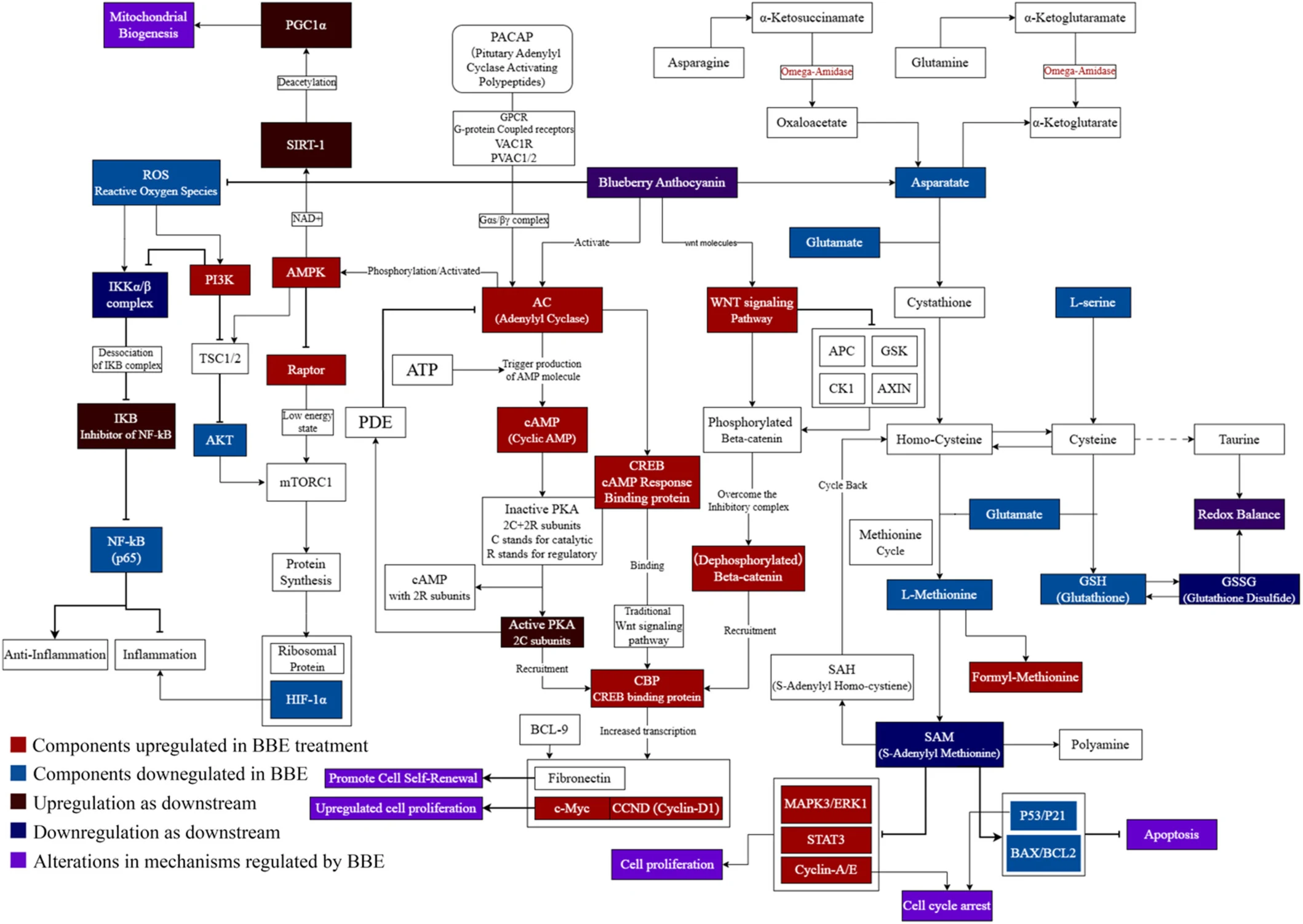
Middle-aged mice received a blueberry extract rich in anthocyanins, plant pigments, in an animal experiment on reproductive aging. The researchers monitored the animals’ bodily functions, examined testicular tissue and analyzed gene activity and small molecules in the testes.
The extract prevented age-associated physiological deterioration without detectable toxicity. It reversed degeneration of the tubes where sperm develop and restored sperm movement. It also lowered inflammatory proteins in the testes and throughout the body. The combined molecular analyses pointed to three coordinated sets of signals involving cell multiplication, inflammation and metabolism, rather than one pathway. The authors reported that the extract stimulated sperm precursor cells to multiply while reducing inflammatory signaling.
Why it matters
Age-related inflammation may contribute to declining male reproductive function. The authors propose that targeting inflammation and metabolism together could help preserve reproductive function with age.
Caveats
Sperm movement is an indirect measure of fertility. These results came from middle-aged mice and do not establish benefits in men.
Where the evidence stands
Inflammation
- 1,051 independent labs in 77 countries
- 205 findings against
- Funders: National Natural Science Foundation of China and others
- 382 of 4,623 findings with company ties
Amino acid metabolism
- 57 independent labs in 19 countries
- 2 findings against
- Funders: National Institutes of Health and others
- 10 of 65 findings with company ties
The paper
College of Animal Science and Technology Nanjing Agricultural University Nanjing China
Journal of Cellular Physiology, Nov 11, 2026
Comments
Be the first to comment.