Inhibition reversed dopamine release deficits in midlife mutant mice
Two hours of enzyme inhibition reversed dopamine release deficits in middle-aged male and female mice carrying a mutation linked to Parkinson’s disease.

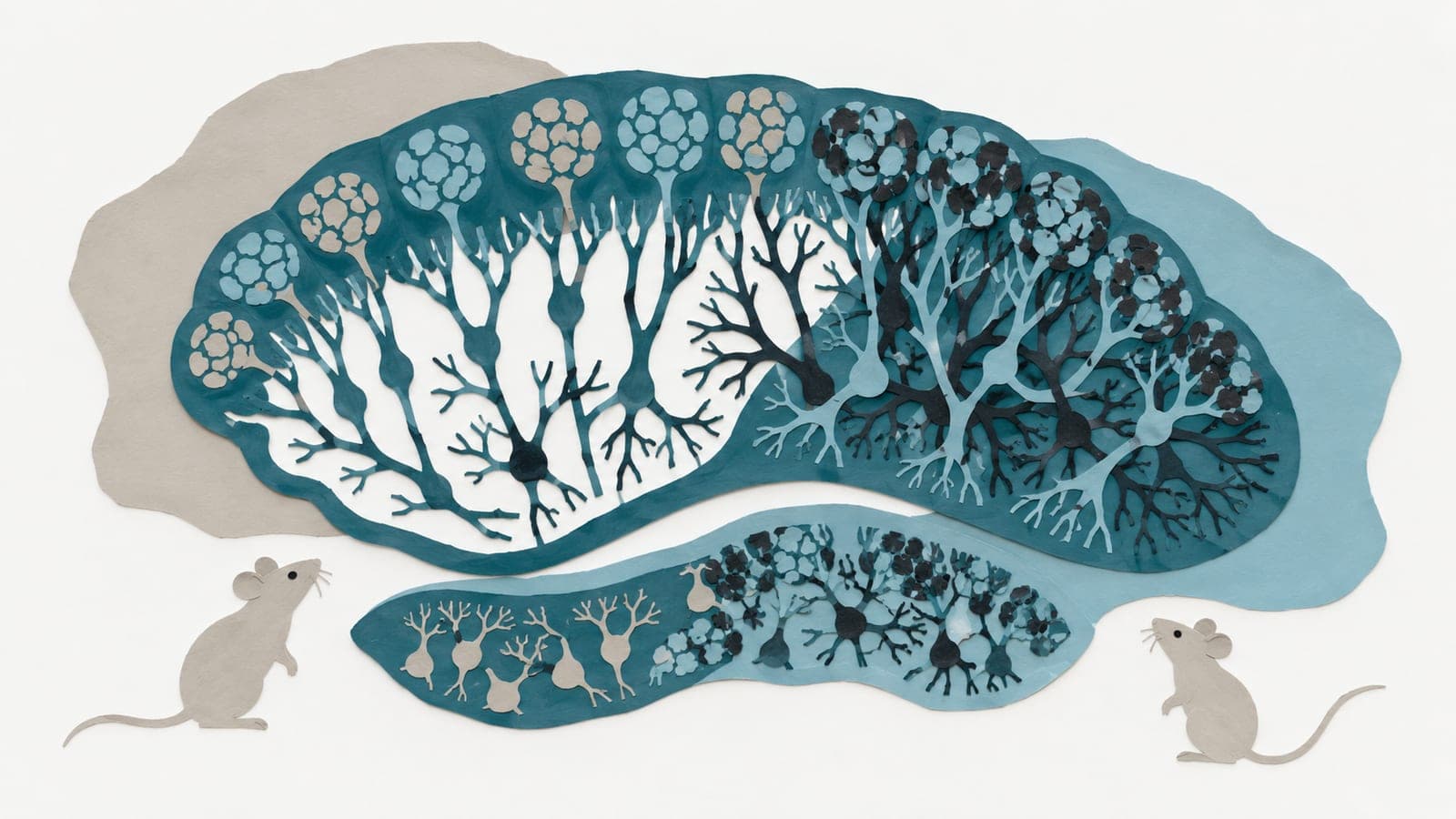
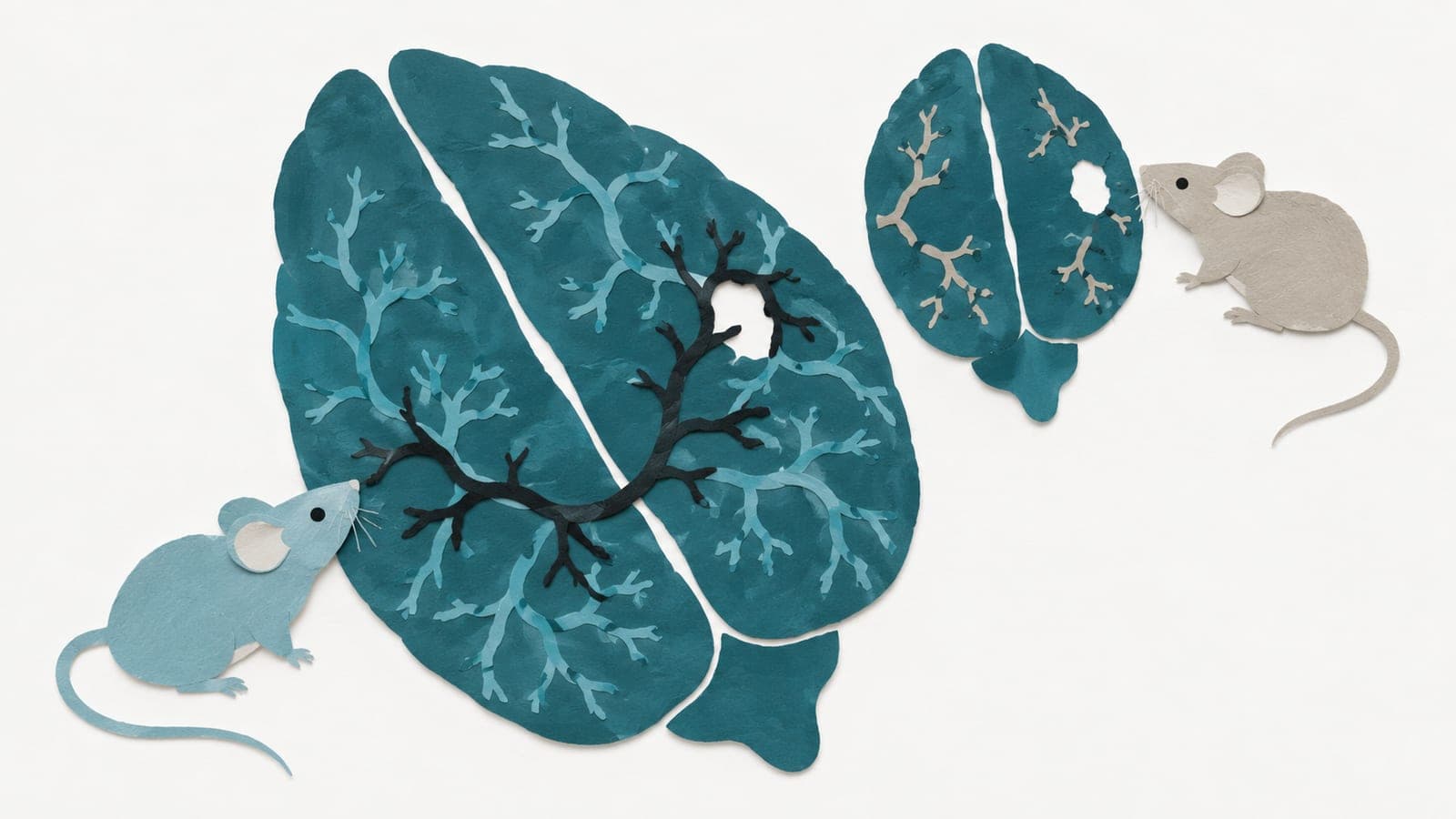
In experiments in mice, researchers compared animals carrying either of two mutations linked to Parkinson’s disease with mice without them. They used optical imaging to measure dopamine and glutamate, chemical messengers used by brain cells. They measured release across adult ages and sexes, with and without inhibiting LRRK2, an enzyme.
In mice carrying the LRRK2 G2019S mutation, dopamine release declined progressively after full adulthood, first in males and then females. Two hours of enzyme inhibition reversed release deficits in middle-aged males and females. Acute inhibition did not reverse deficits in aged mice carrying either mutation. In mice without the mutations, the enzyme’s effects on dopamine release depended on age and sex.
Why it matters
LRRK2 inhibitors are already in human trials for Parkinson’s disease. The findings bear on when to test these drugs and how to account for age, sex and genetic background.
Caveats
Mouse experiments cannot establish whether the same effects occur in people. This preprint has not yet been peer-reviewed.
The paper
Montreal Neurological Institute, McGill University
bioRxiv, 16 Oct 2026, Open access, CC BY-NC-ND, Preprint, not peer-reviewed