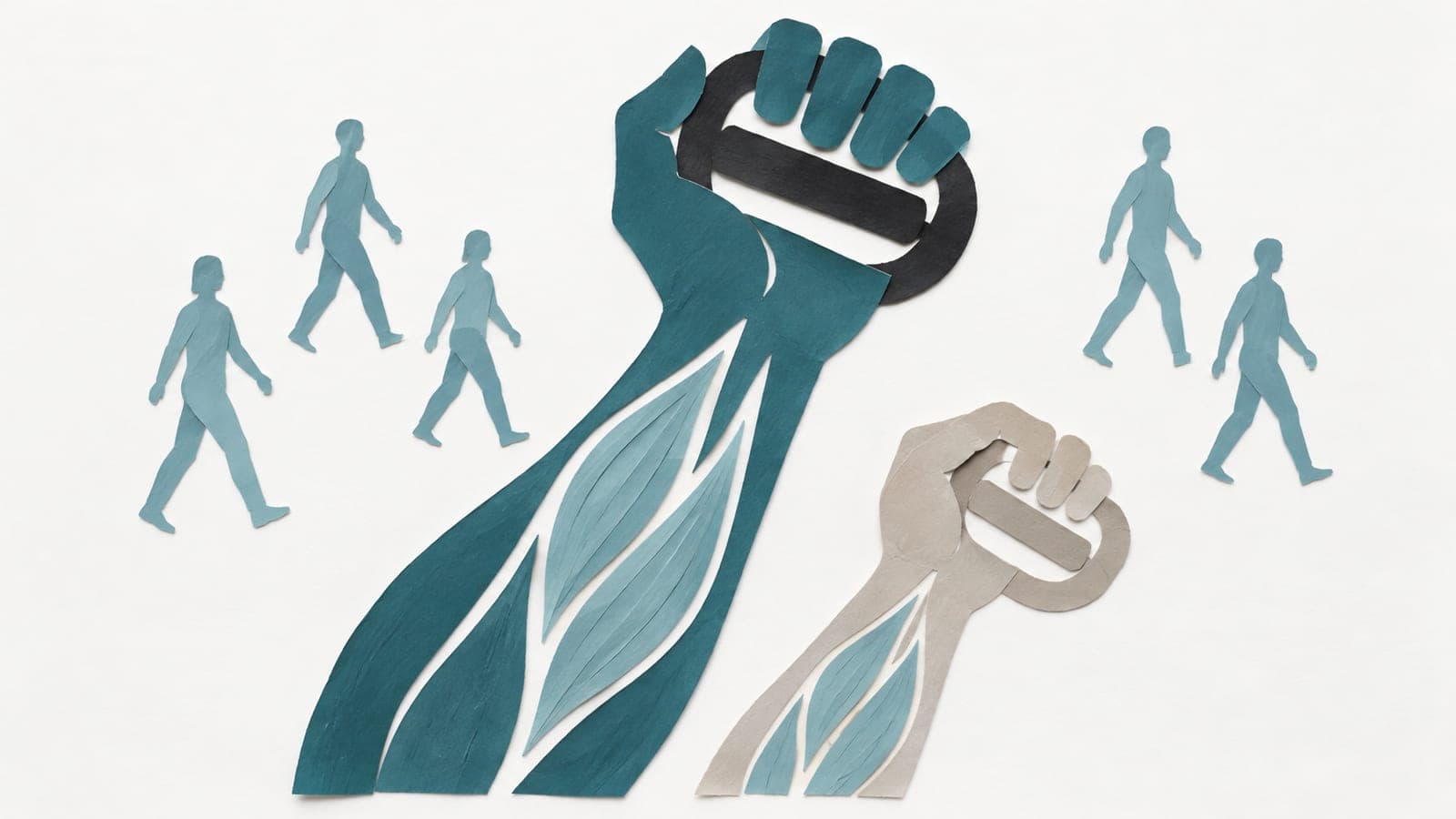
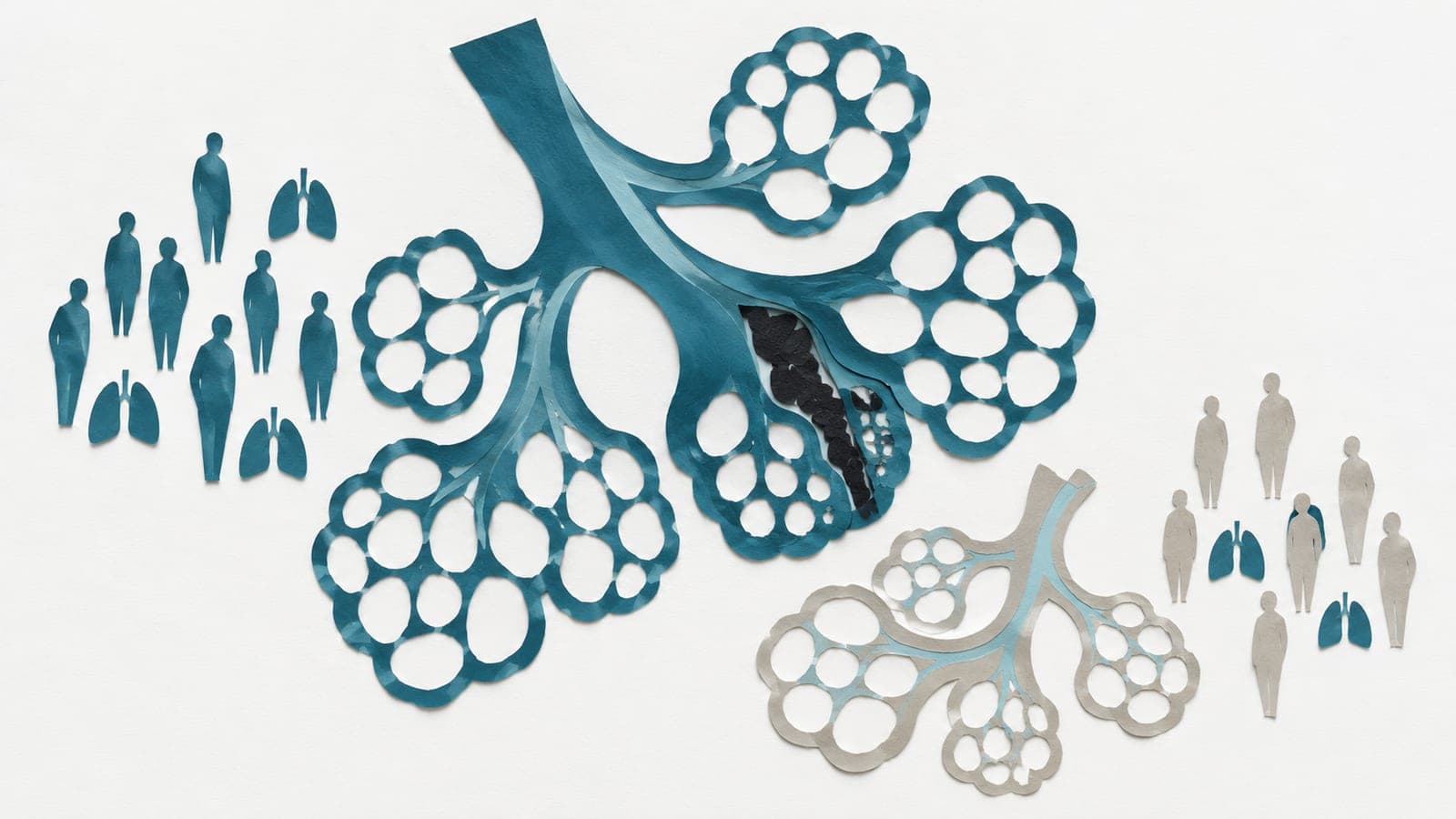
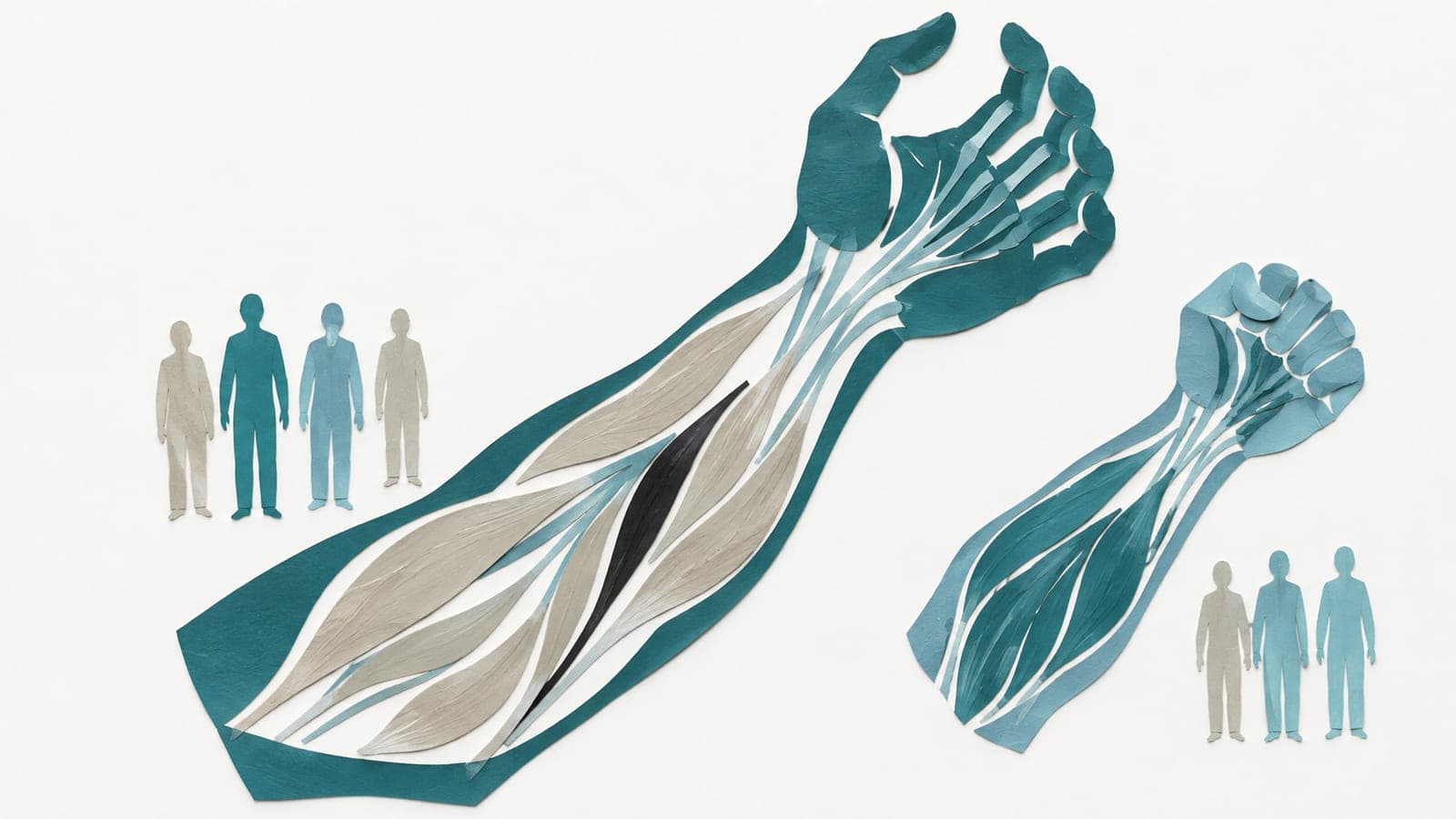
Low airflow and grip strength linked to disability and death
Adults with persistently low airflow and low, declining grip strength had 3.49 times the odds of death compared with those with very high readings.
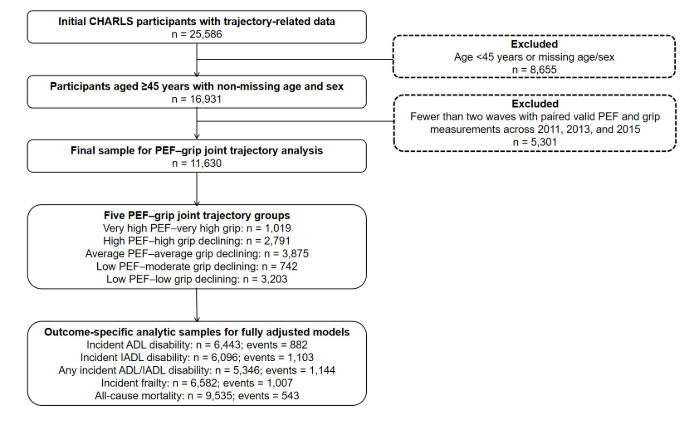
11,630 participants
Limit: Early or undiagnosed disease may influence both functional trajectories and subsequent disability or death
An observational cohort study analysed 11,630 Chinese adults aged 45 or older with paired breathing and grip measurements from at least two assessments in 2011, 2013 and 2015. Researchers identified five joint patterns of peak expiratory flow—the fastest rate of blowing air out—and handgrip strength.
Compared with participants with very high readings on both measures, those with persistently low airflow and low, declining grip strength had higher adjusted odds of new disability and frailty in 2018. Their odds were 2.24 times as high for disability affecting basic daily activities, 1.86 times as high for disability affecting more complex daily tasks, and 2.29 times as high for frailty, a state of reduced resilience to health problems. They also had higher odds of death between 2015 and 2018.
Why it matters
The authors suggested that tracking breathing performance and muscle strength together may help assess risks to independence and survival in middle-aged and older adults.
Caveats
This observational study cannot establish cause and effect, and its findings concern Chinese adults aged 45 or older. The preprint is not yet peer-reviewed; the authors said measurements needed appropriate adjustment for sex and validation in other populations before clinical use.
From the paper
- Participants
The final trajectory sample included 11,630 participants (Fig. 1).
Methods, 3.1 Study population and identification of joint trajectories
- Result
Compared with the very high PEF–very high grip group, the average PEF–average grip declining group had higher odds of incident ADL disability (OR, 1.63; 95% CI, 1.09–2.44), IADL disability (OR, 1.45; 95% CI, 1.00–2.10), and any ADL/IADL disability (OR, 1.44; 95% CI, 1.02–2.04).
Quoted word for word from the full text on researchsquare.com.
- Peak expiratory flow
- Handgrip strength
- Activities of daily living disability
- Instrumental activities of daily living disability
- Low PEF–low grip declining trajectory
- Humans
The paper
Shanxi Medical University
Research Square, 14 Oct 2026, Open access, Preprint, not peer-reviewed