Androgen receptor polyglutamine tract controls muscle growth and atrophy pathways
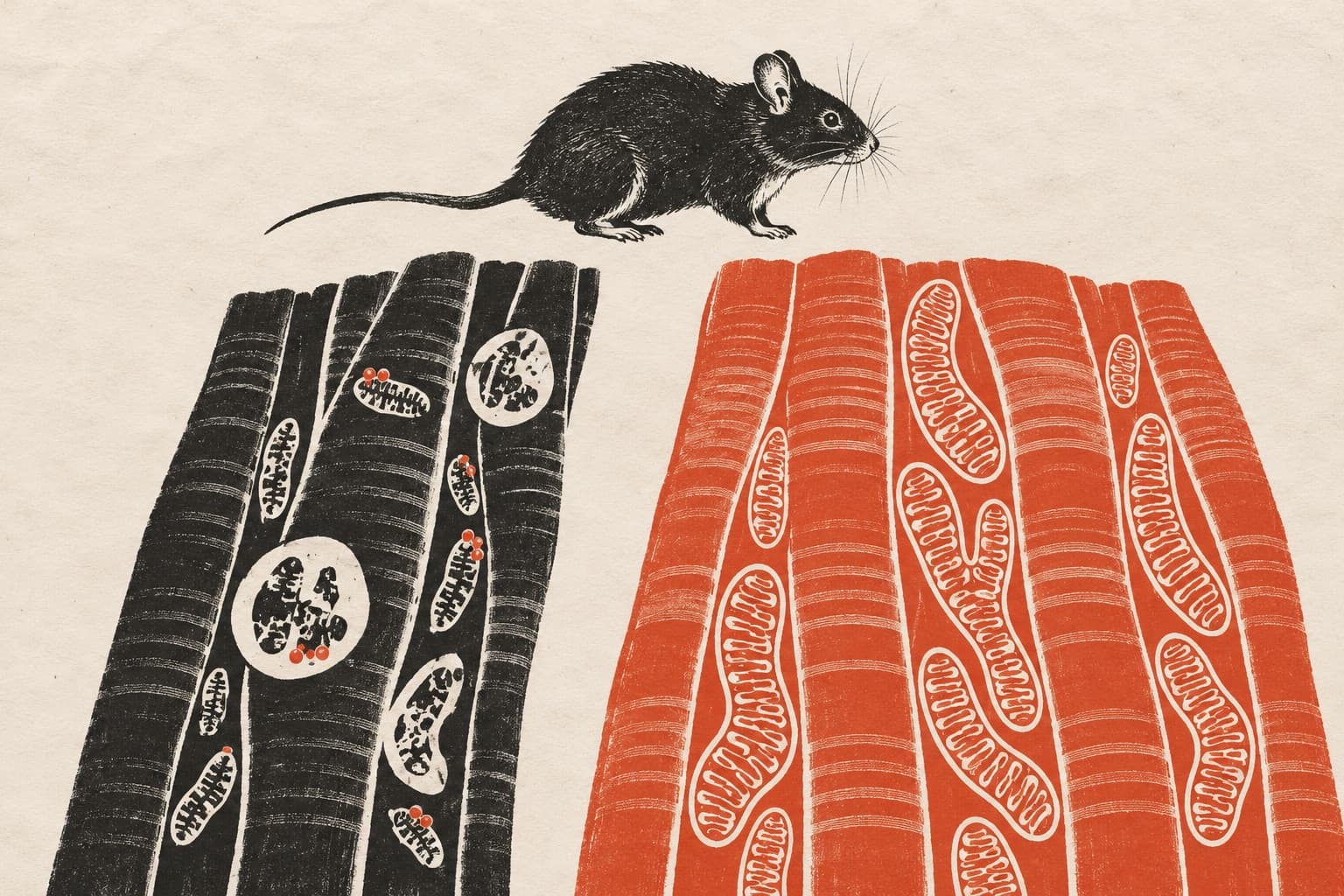
Researchers found that expanding polyglutamine tracts in the androgen receptor shift binding toward senescence-linked enhancers, driving muscle atrophy in cells and mice.
bioRxiv
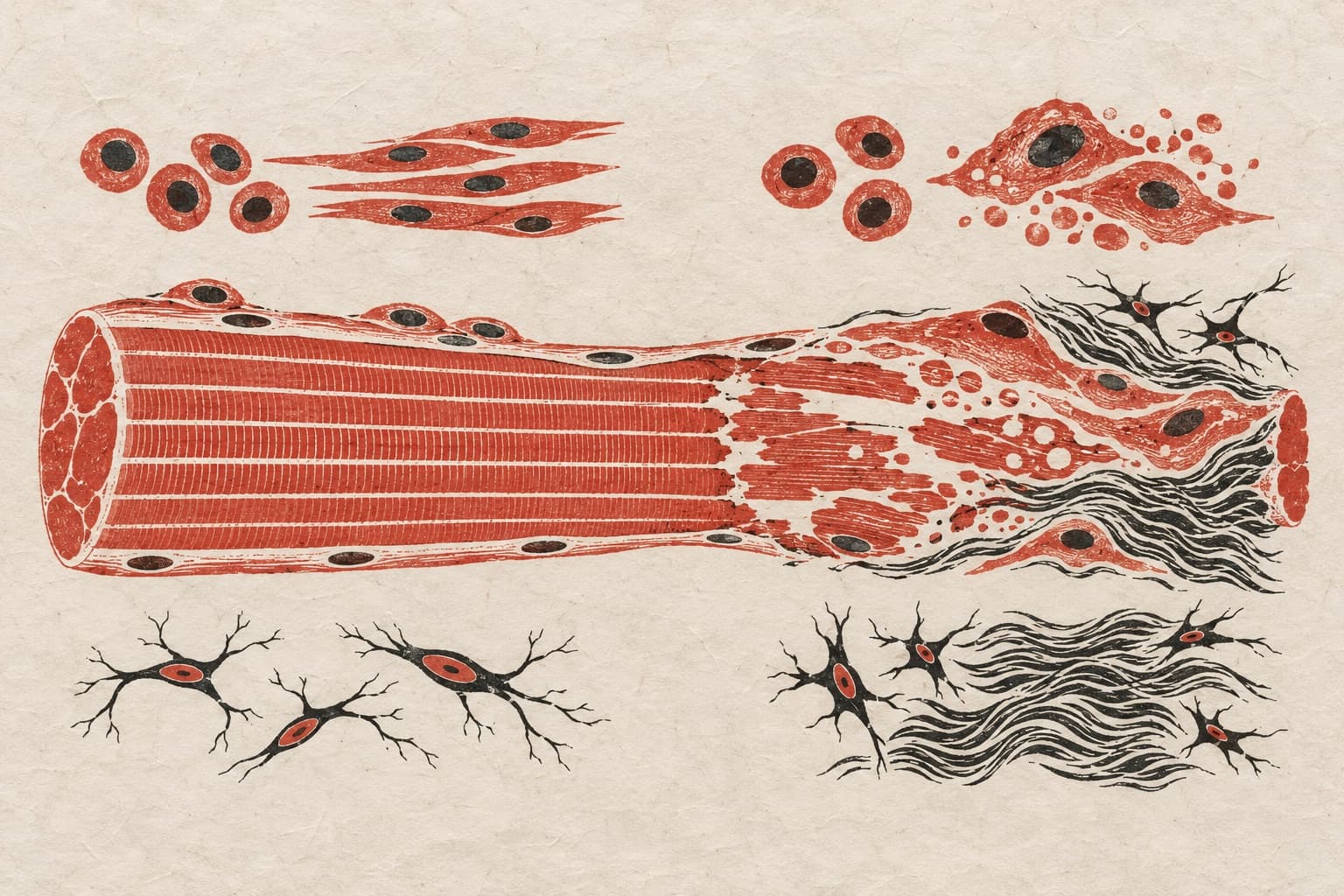
In human myogenic cells and mouse models, researchers investigated how variations in the androgen receptor control muscle transcription. In this preprint, the authors analyzed an engineered allelic series of the receptor using super-resolution imaging, genomic mapping, and population genetics. Under physiological conditions, androgen-bound receptors formed dynamic transcriptional condensates and promoted muscle growth via the AP-1 pathway. Expanding the receptor polyglutamine tract destabilized its chromatin binding and shifted occupancy from promoters to distal enhancers, matching imaging signatures of muscle aging. In spinal and bulbar muscular atrophy, this expansion drove abnormal activation of the senescence and inflammation marker EDA2R, engaging non-canonical NF-κB signaling to cause muscle atrophy. Silencing Eda2r attenuated muscle wasting in mice.
Why it matters
The findings link polyglutamine-dependent shifts in androgen receptor binding directly to senescence and inflammation pathways in muscle. Identifying the downstream EDA2R axis reveals potential therapeutic targets for combating muscle atrophy.
Caveats
The study is a preprint that has not yet completed peer review. Key therapeutic outcomes were demonstrated in cell models and mice rather than human clinical trials.
The paper
Show 16 more authors
Yang Kai Ng, Alessandro Fichera, Salma Ali, Virginia Scappini, Alfina Ambra Speciale, Rebecca Chalcraft, Antonio Garcia-Guerra, Yasumasa Hashimoto, Jennifer Frommer, Maria Pennuto, Esther García Gonzalez, Laura Zanetti-Domingues, Christopher Tynan, Stephan Sanders, Michele Pansini, Matthew Wood,University of Oxford
bioRxiv · 30 Sep 2026 · Preprint, not peer-reviewed