Cathelicidin peptide aids fracture healing in young mice but impairs it in aged mice
Depleting Camp accelerated bone callus formation in aged mice while delaying repair in young mice through P2X7 receptor and NLRP3 signaling.
bioRxiv
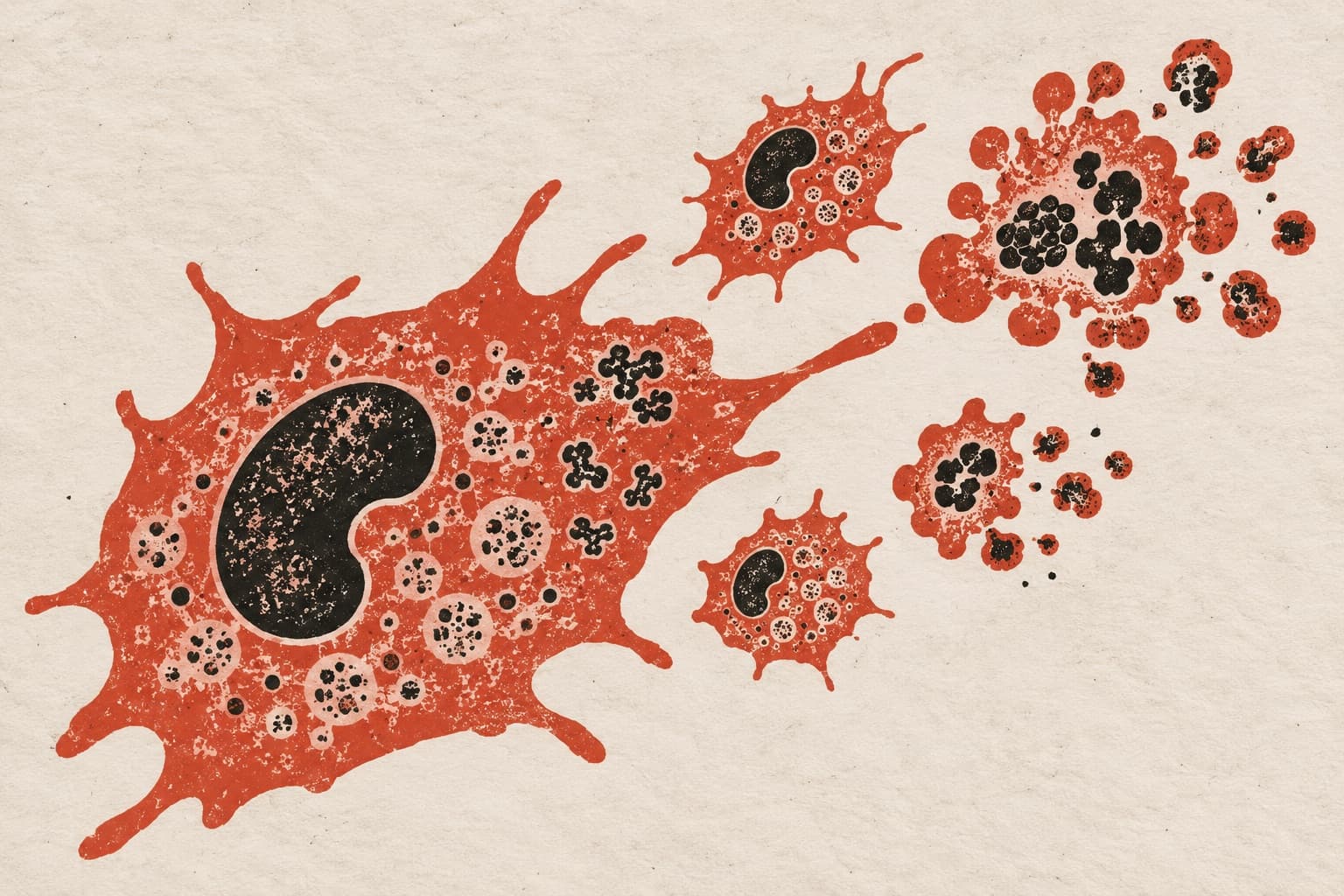
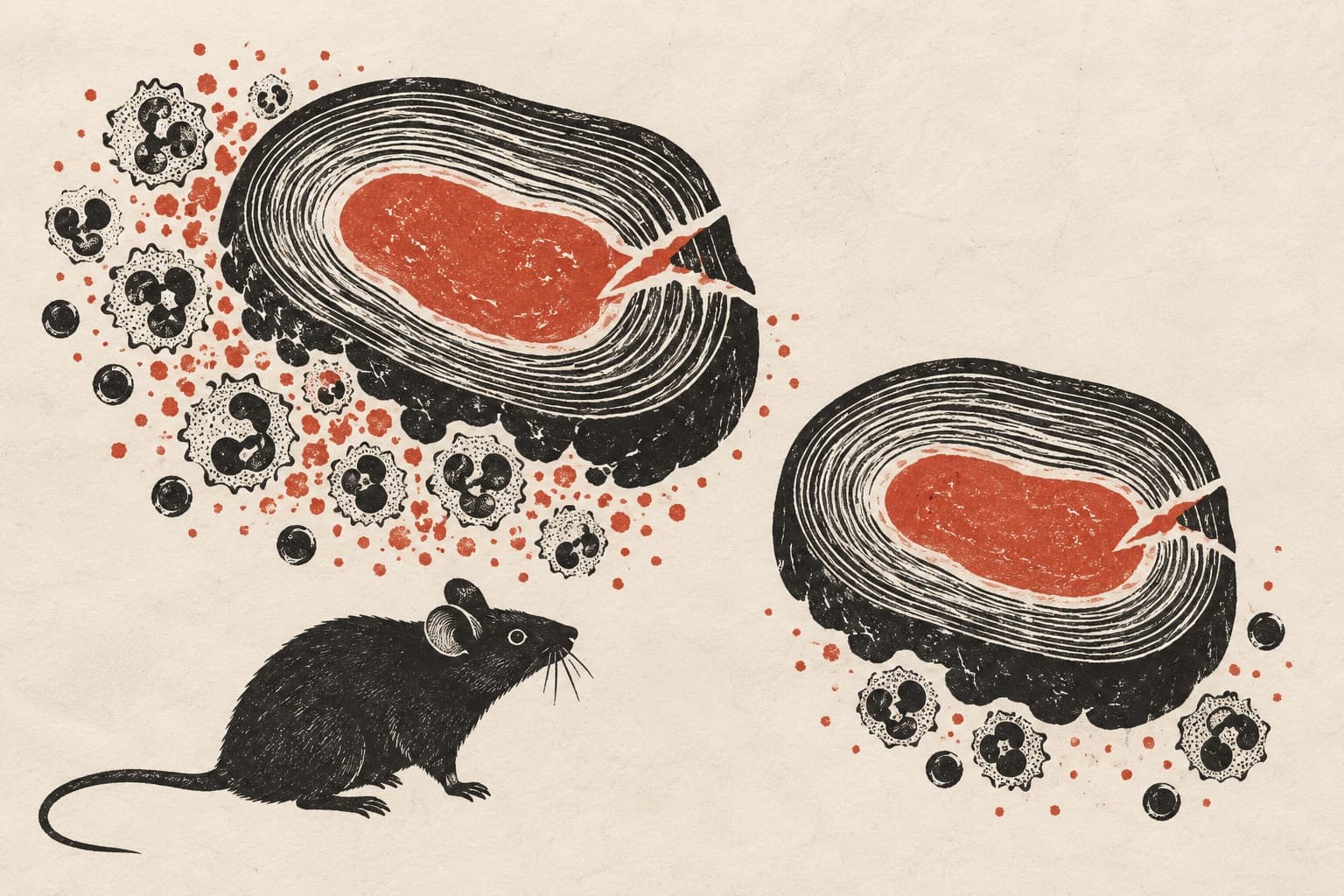
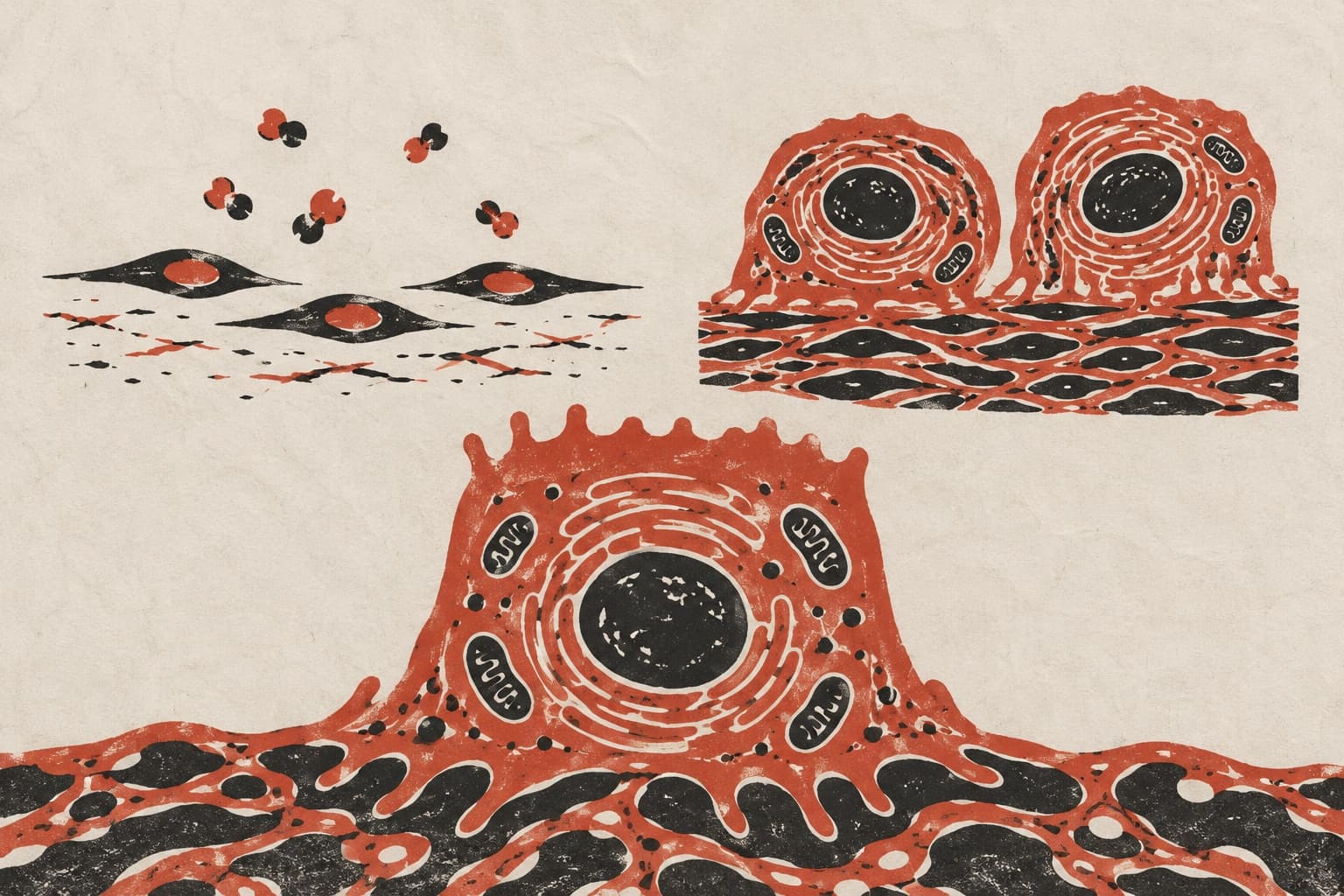
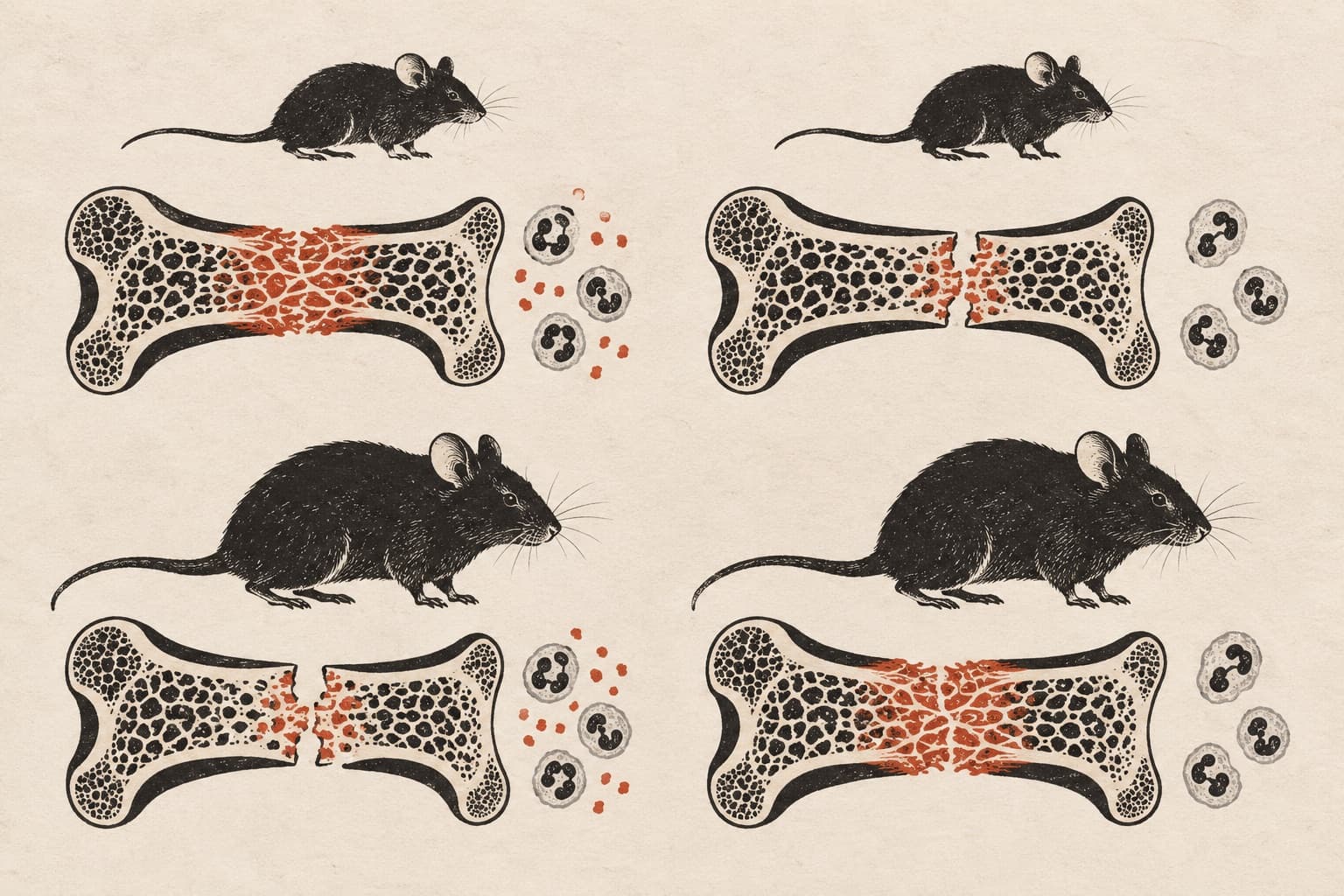
In a preprint study using mice, researchers examined how cathelicidin antimicrobial peptide, or CAMP, influences bone fracture repair across different ages. Single-cell RNA sequencing and immunohistochemistry revealed higher CAMP expression during fracture healing in young mice compared to aged mice. Depleting Camp globally or specifically in myeloid cells delayed fracture repair in young mice. However, Camp depletion in aged mice increased callus bone formation. Heterochronic bone marrow transplantation showed that hematopoietic-derived cells drive these responses and that myeloid Camp expression is important for rejuvenating the pace of repair. Mechanistically, CAMP supported osteogenic differentiation through P2X7 receptor-dependent signaling and downstream NLRP3 regulation.
Why it matters
The findings show that immune-derived signaling molecules can exert opposing effects on tissue repair across the lifespan, shifting from promoting regeneration in young animals to constraining it in aged animals.
Caveats
This research was conducted exclusively in mice and is a preprint that has not yet undergone peer review.
The paper
Duke University
bioRxiv · 30 Sep 2026 · Preprint, not peer-reviewed