Variation in the determinants of semantic decision-making across adulthood
Abstract
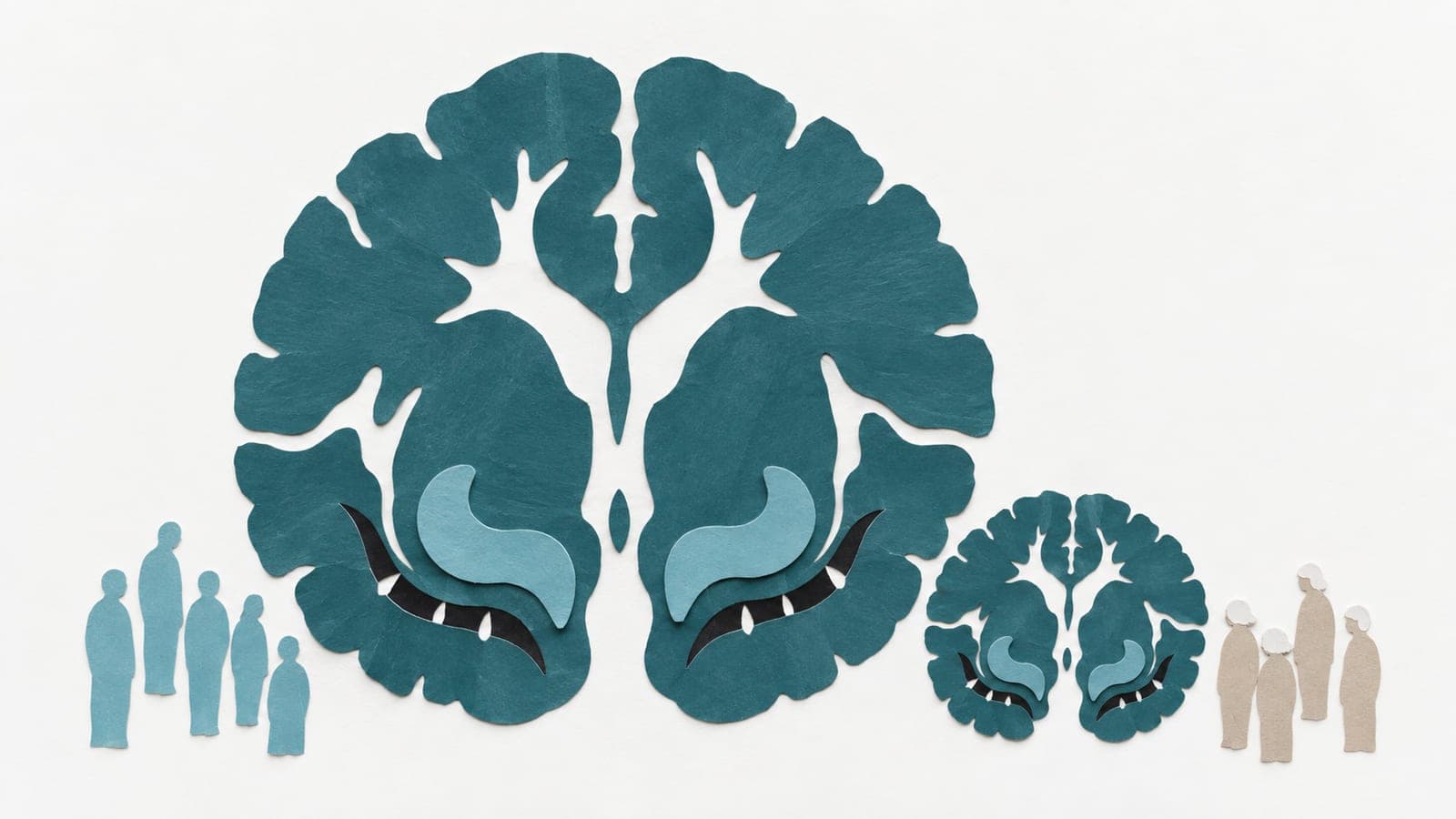
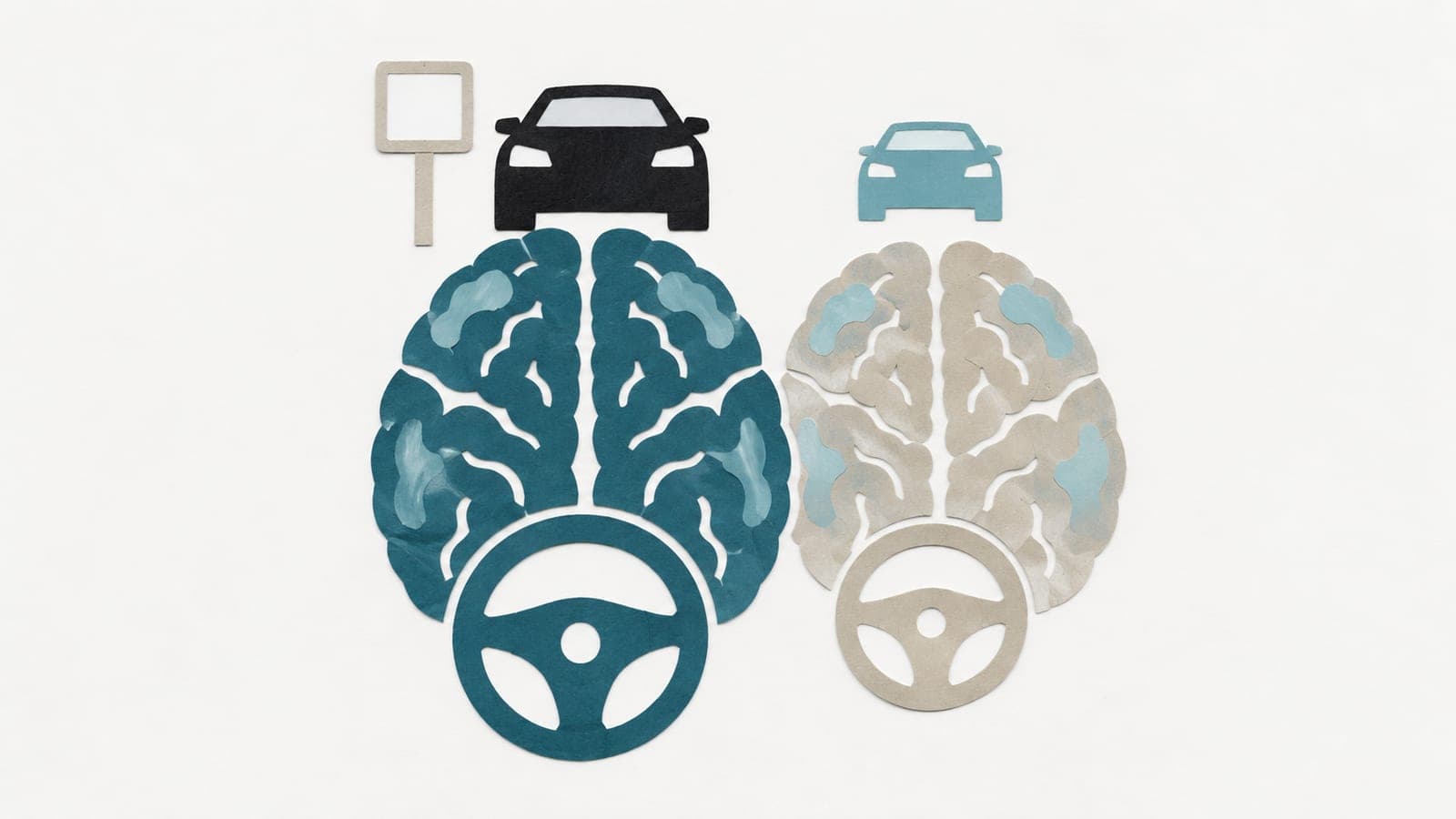
How do people use semantic knowledge to guide decision-making? Semantic decisions can be affected both by the intrinsic qualities of the concepts being considered and the relationships between them. Age-related change in these factors is rarely studied; yet this can provide valuable insights into how semantic cognition develops across the lifespan. We investigated the factors influencing semantic decisions in 537 adults aged 20–91 years. Participants made two types of verbal semantic decision: global relatedness judgements and feature-specific judgements based on object colour. We predicted accuracy and response time from age, the intrinsic properties of the item being judged, and the strengths of target and distractor relationships on each trial. Effects of intrinsic properties varied markedly with age. Younger adults made more errors when faced with less frequent and less concrete items, but these effects diminished across adulthood, suggesting that greater experience can reinforce the representation of uncommon and abstract concepts. In contrast, higher semantic diversity impaired performance disproportionately in older people, suggesting that older adults experienced greater difficulty when concepts activated many different associations. Strong but task-irrelevant semantic distractors also led to more errors, particularly among older adults. These findings indicate that the determinants of semantic decision-making shift systematically across adulthood. Younger people have difficulty dealing with infrequent, abstract concepts with which they have limited experience; while advancing age is associated with greater difficulty resolving competition among simultaneously active aspects of meaning. Our data support the view that semantic knowledge accumulates throughout adulthood while goal-directed selection of knowledge declines.
The paper
University of Edinburgh
PsyArXiv, 4 Sep 2026, Preprint, not peer-reviewed