Smoking patterns linked to midlife brain differences
A 15-year study of 1,900 Dutch adults linked persistent smoking to double the white-matter hyperintensities, bright areas on brain scans, compared with nonsmoking.

Our read
Populations- Studied:
- Preprint: cohort study of 1,900 Dutch adults, 15-year, against nonsmokers
- What changed:
- Persistent smokers had double the white-matter hyperintensities, bright areas on brain scans, compared with nonsmokers
- The catch:
- Brain imaging at midlife leaves preexisting brain differences unmeasured
- In the record:
- The 161st paper on smoking cessation with results in people; 398 on record in all.
Editor of record: Boris Djordjevic · AgingResearch.News
The 1,900 adults in the Dutch Generation R Study were 65.6% female and averaged 32.5 years old at the start of this 15-year longitudinal study. Smoking was assessed five times, from before pregnancy to midlife. Researchers grouped participants into five smoking patterns and assessed their brains using MRI scans at an average age of 47.7.
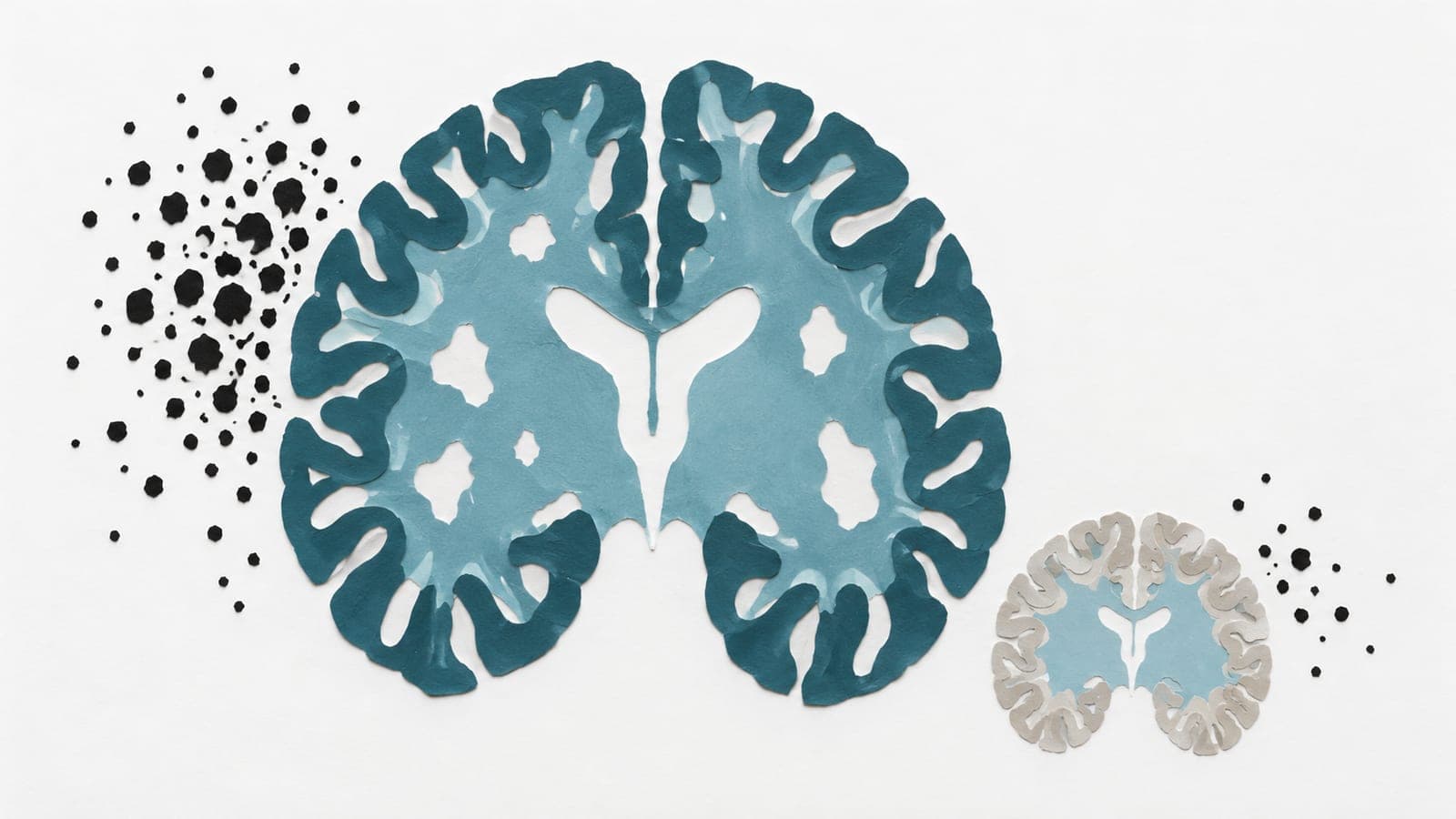
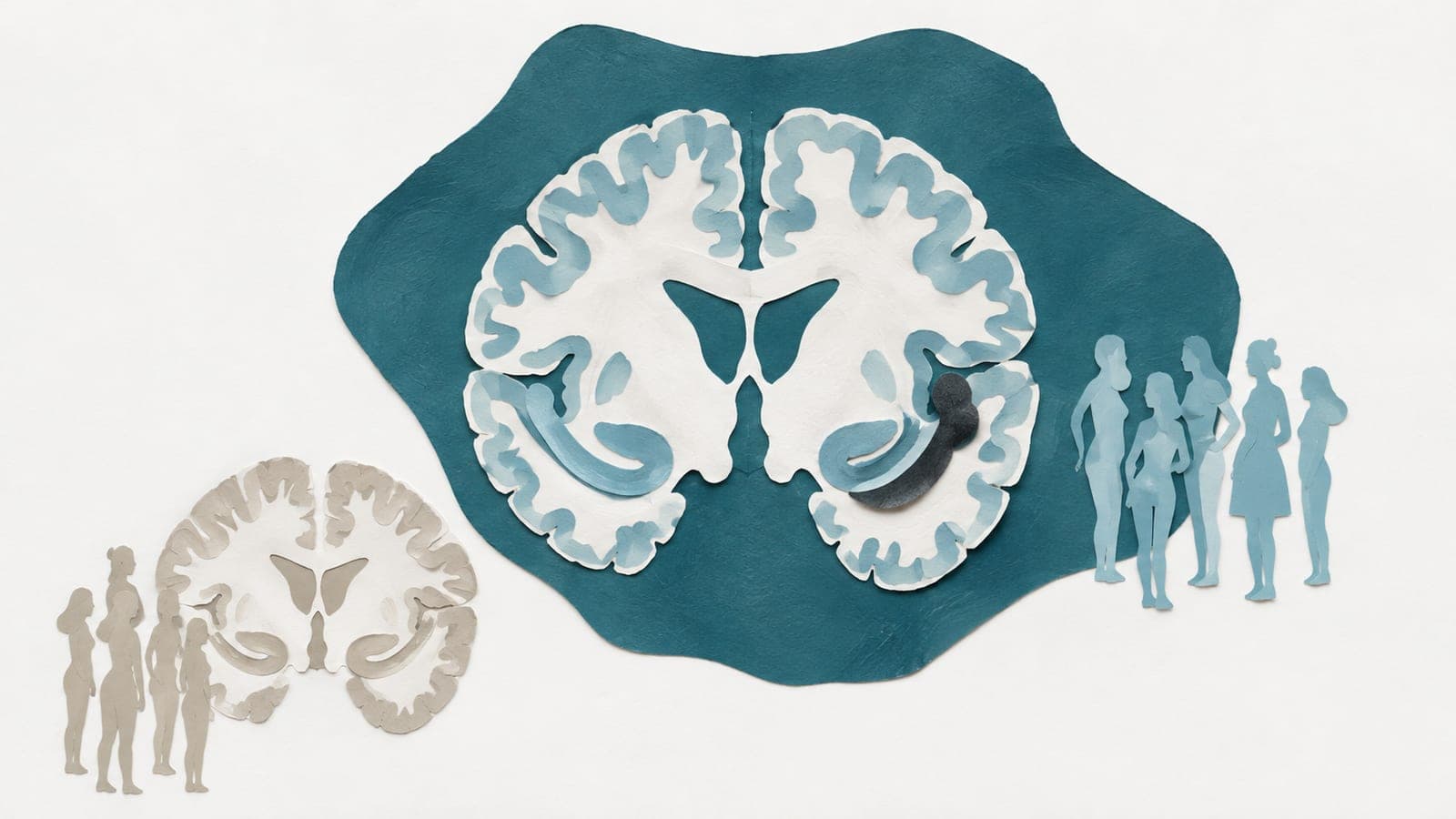
Persistent smoking was associated with more white-matter hyperintensities and a thinner cortex, the brain’s outer layer, across widespread areas compared with nonsmoking. People who quit before pregnancy had 6.57 cubic centimeters more gray matter, brain tissue containing nerve-cell bodies, than nonsmokers. Those who quit during or after pregnancy had similar brain volumes to nonsmokers but more lacunes, small cavities in brain tissue.
Why it matters
Brain health in midlife raises the question of when prevention efforts should begin. The authors interpreted these associations as support for early and sustained smoking cessation.
Caveats
People in different smoking groups may also have differed in other ways that affected brain health. The findings concern Dutch adults in midlife, not outcomes in older adults, and the preprint has not yet been peer-reviewed.
Where the evidence stands
Smoking
- 864 independent labs in 94 countries
- 136 findings against
- Funders: National Institutes of Health and others
- 152 of 2,166 findings with company ties
Smoking cessation
- 110 independent labs in 31 countries
- 9 findings against
- Funders: National Natural Science Foundation of China and others
- 11 of 171 findings with company ties
The paper
Smoking trajectories and brain health in middle-aged adults: a 15-year longitudinal study
Erasmus MC
medRxiv, Nov 15, 2026, Open access, CC BY-NC, Preprint, not yet peer-reviewed

Comments
Be the first to comment.