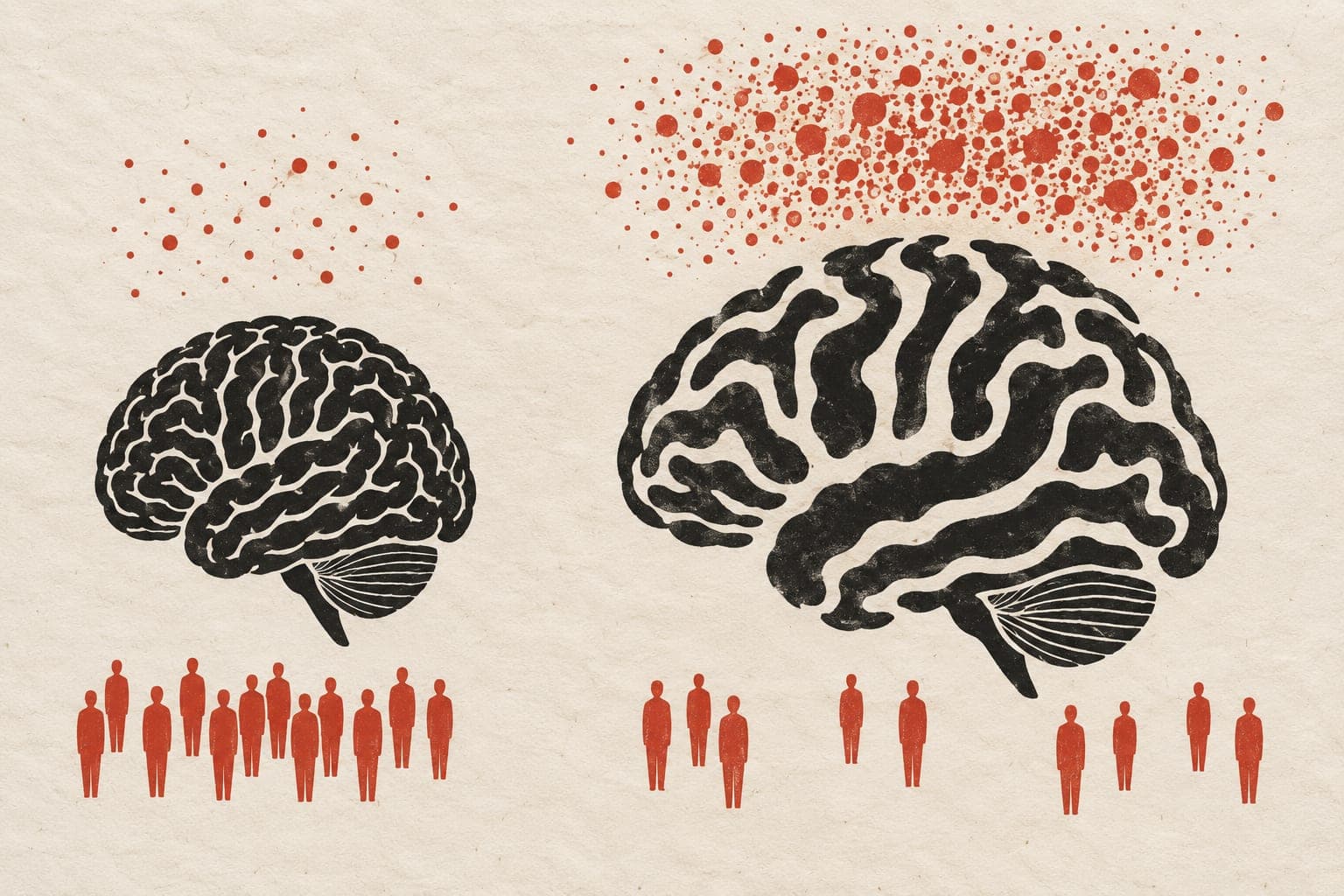
Air pollution linked to faster brain tissue loss in adults
An observational study followed brain scans from 4,276 middle-aged and older adults, linking higher exposure to particle pollution with faster grey matter loss.
Environmental Pollution
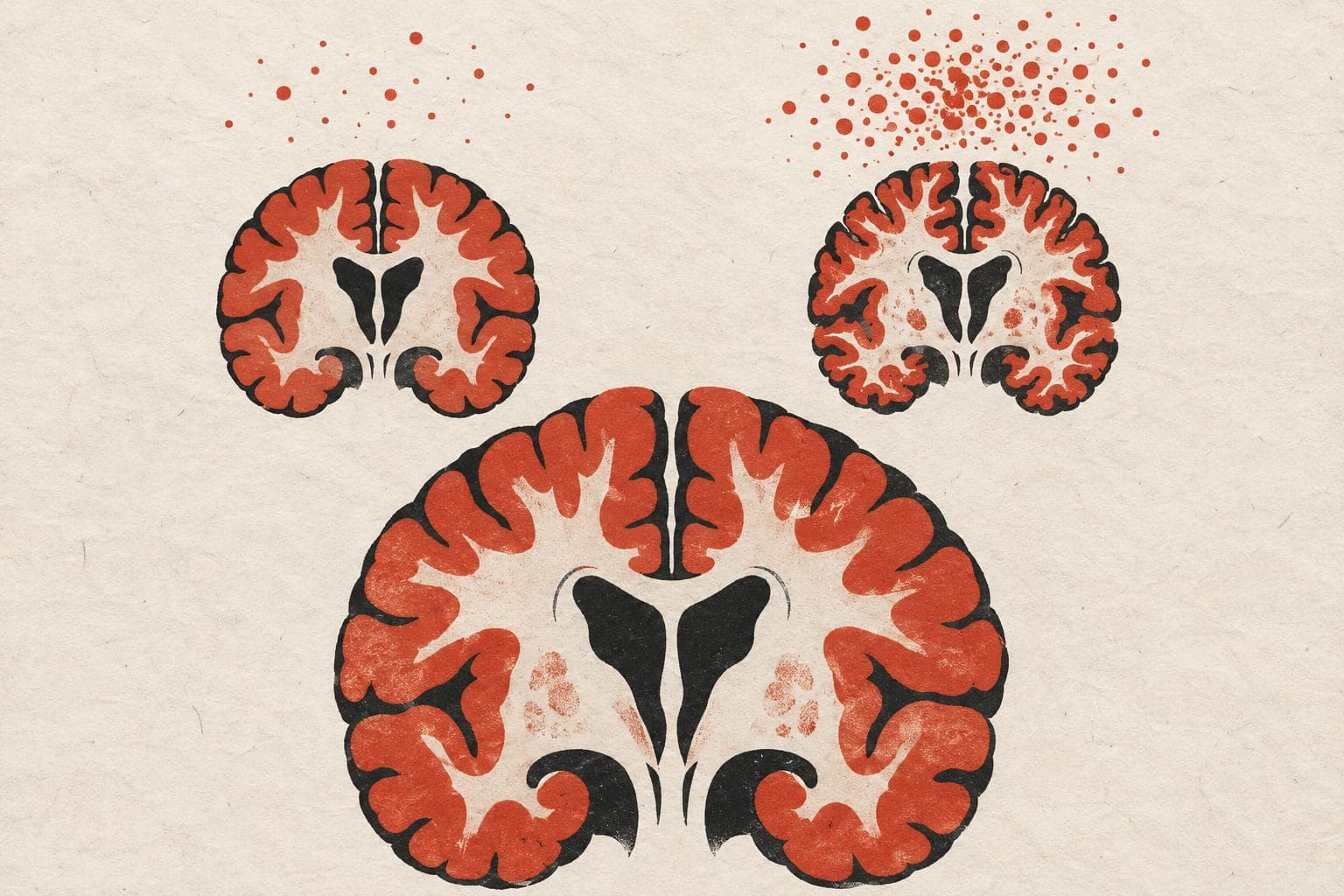
In a longitudinal observational study, 4,276 middle-aged and older adults had repeated brain scans. Researchers estimated long-term exposure to outdoor air pollutants at participants’ homes using detailed models. They compared these estimates with changes in brain structure over follow-up, accounting for other factors in their statistical analysis.
Higher exposure to airborne particles was associated with faster loss of grey matter, brain tissue containing nerve cell bodies. This association covered both overall grey matter volume and volumes in individual brain regions. Higher exposure was also linked to greater progression of white matter hyperintensities, areas that appear brighter on brain scans. White matter is tissue that connects brain regions.
Why it matters
The research bears on how environmental exposures relate to brain changes linked to degeneration and blood-vessel disease during aging. The findings suggest potential brain health benefits from improving air quality.
Caveats
This observational study cannot show that air pollution caused the brain changes. Researchers estimated pollution exposure at participants’ homes using models.
- Ambient particulate air pollution
- Grey matter volume
- Global brain volume
- White matter hyperintensity burden
- White matter volume
- Humans
The paper
Long-Term Air Pollution Exposure and Brain Structural Decline: A Longitudinal Analysis
Monash University · The University of Hong Kong
Environmental Pollution · 6 Oct 2026