Rare gene variants linked to benign fat and uterine tumors
People carrying disabling variants in TERF1, a chromosome-protection gene, had 3.32 times the odds of benign fatty tumors compared with people without those variants.
Our read
Populations- Studied:
- Preprint: genetic association study of UK Biobank participants, against people without disabling TERF1 variants
- What changed:
- People with disabling TERF1 variants had 3.32 times the odds of benign fatty tumors compared with people without those variants
- The catch:
- Sarcoma outcomes relied on self-reports
- In the record:
- The 8th paper on POT1 with results in people; 52 on record in all.
- Why it’s aging research:
- It bears on staying healthy in midlife and later life.
Editor of record: Boris Djordjevic · AgingResearch.News
UK Biobank participants were studied in an observational genetic analysis of rare variants in five shelterin genes. These genes encode proteins that protect chromosome ends.
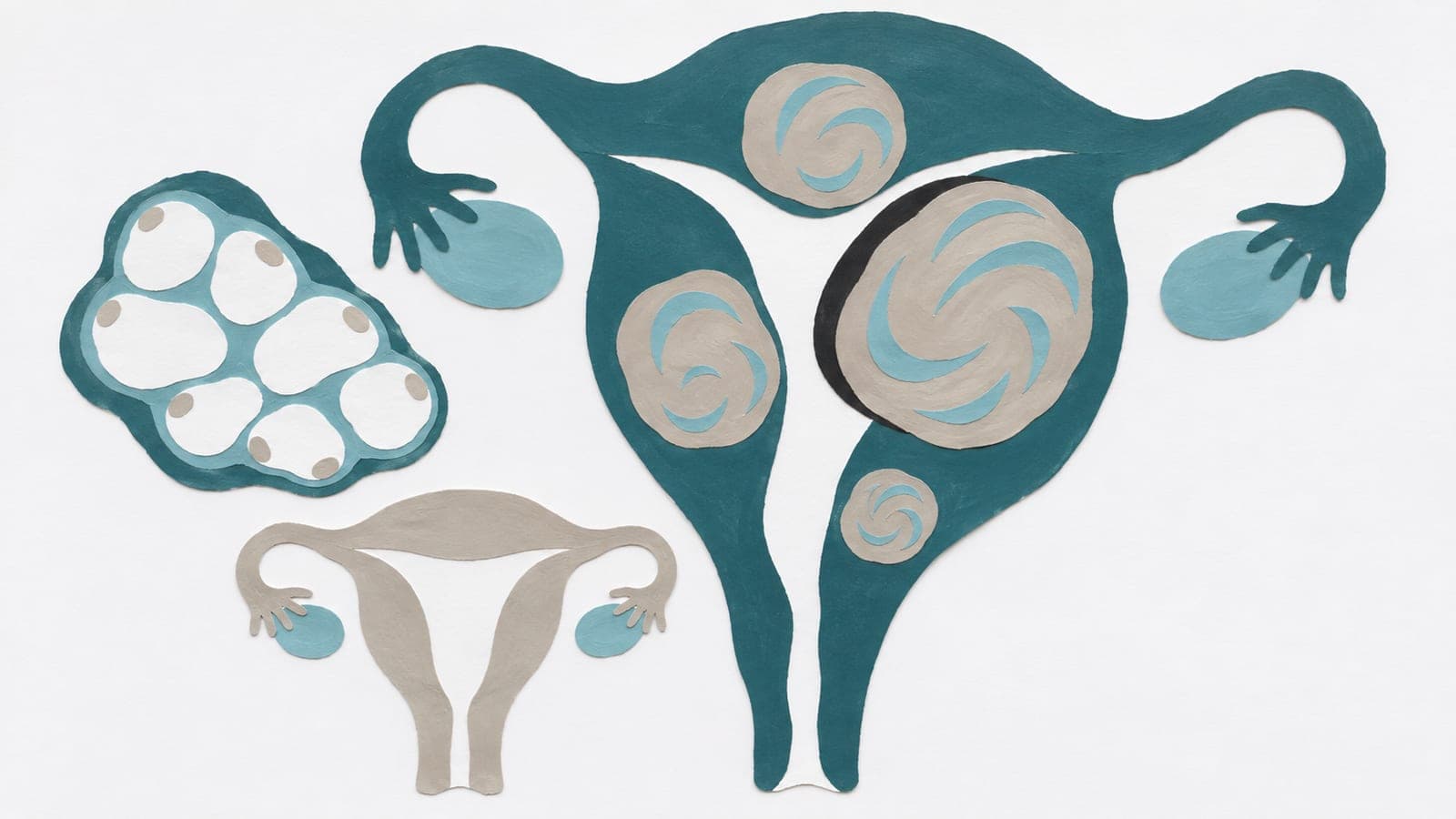
Variants that disrupted shelterin function were associated with lipomas, benign fatty tumors, and uterine leiomyomas, also called fibroids. Lipoma associations involved three genes. Fibroid associations involved all four core shelterin genes and were strongest for POT1, another chromosome-protection gene, with an odds ratio of 2.23 for carriers versus noncarriers. A second analysis pipeline reproduced associations for two shelterin genes. Neither of the tested gene groups was associated with self-reported sarcoma, a cancer of connective tissues.
Why it matters
Cancer risk is an important question in aging biology. This work examined whether tumor risks linked to chromosome-end protection extended beyond a previously studied group enriched for sarcoma cases.
Caveats
The sarcoma analysis relied on self-reports, and the authors said sarcoma-specific risk remained untested. The report is a preprint and has not been peer-reviewed.
Where the evidence stands
Telomerase and telomere maintenance
- 86 independent labs in 25 countries
- 1 finding against
- Funders: National Institutes of Health and others
- 19 of 116 findings with company ties
The paper
Stanford University School of Medicine
medRxiv, Nov 5, 2026, Open access, CC BY-NC, Preprint, not yet peer-reviewed

Comments
Be the first to comment.