Advanced heart-kidney-metabolic syndrome tied to mental decline
An observational analysis of 28,242 older adults linked advanced stages to faster declines in attention, planning and language across international aging cohorts.
Limit: Social isolation could partly explain the link between advanced CKM and cognitive impairment
Edited by Boris Djordjevic · AgingResearch.News
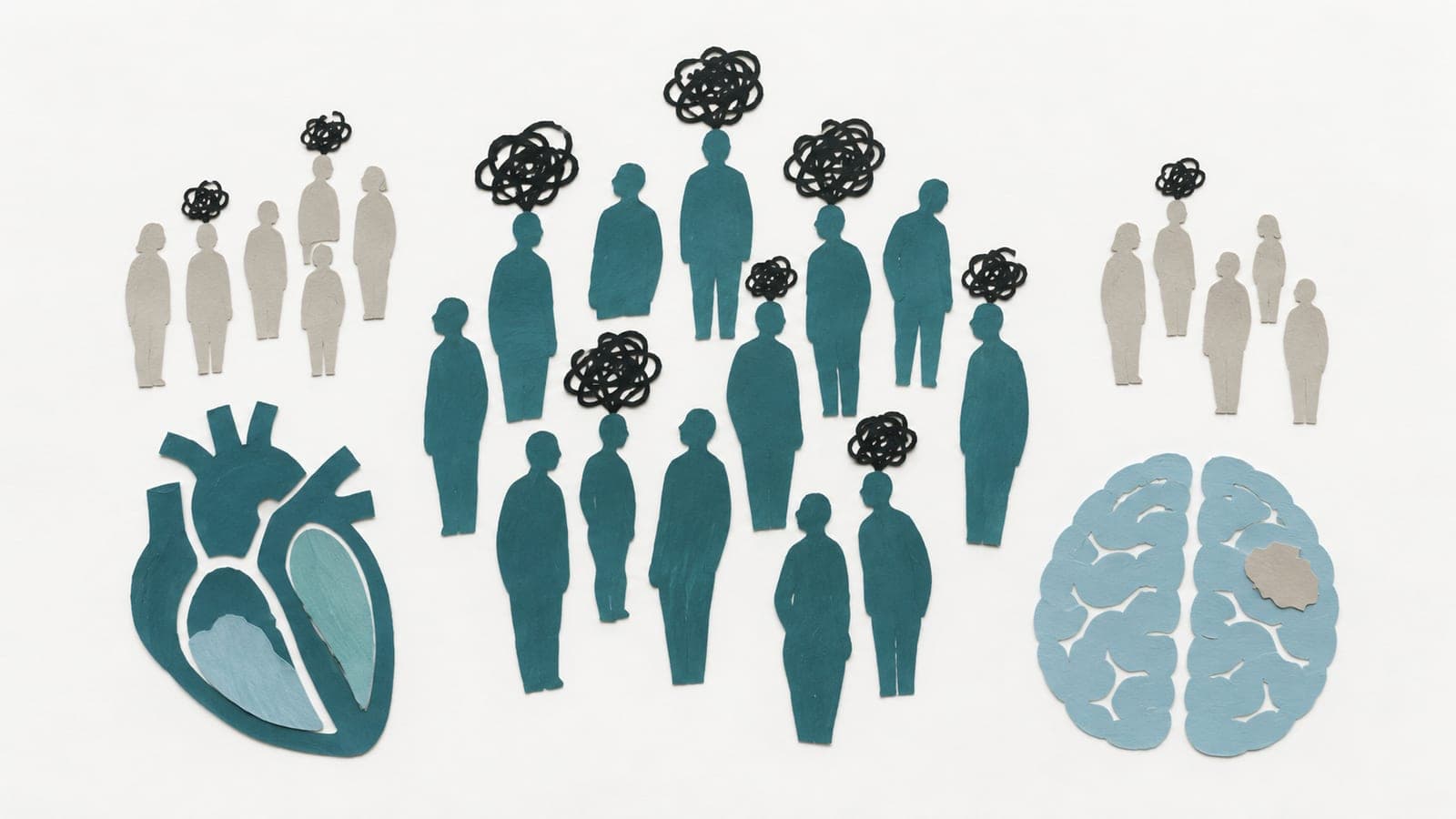
An observational study analyzed 28,242 older adults from international aging cohorts. Researchers classified cardiovascular-kidney-metabolic syndrome—a condition involving heart, blood vessel and kidney health and the body's use of energy—into stages 0–4. The global aging cohorts had an average follow-up of 6.5 years; an international memory consortium had 5.4 years of follow-up.
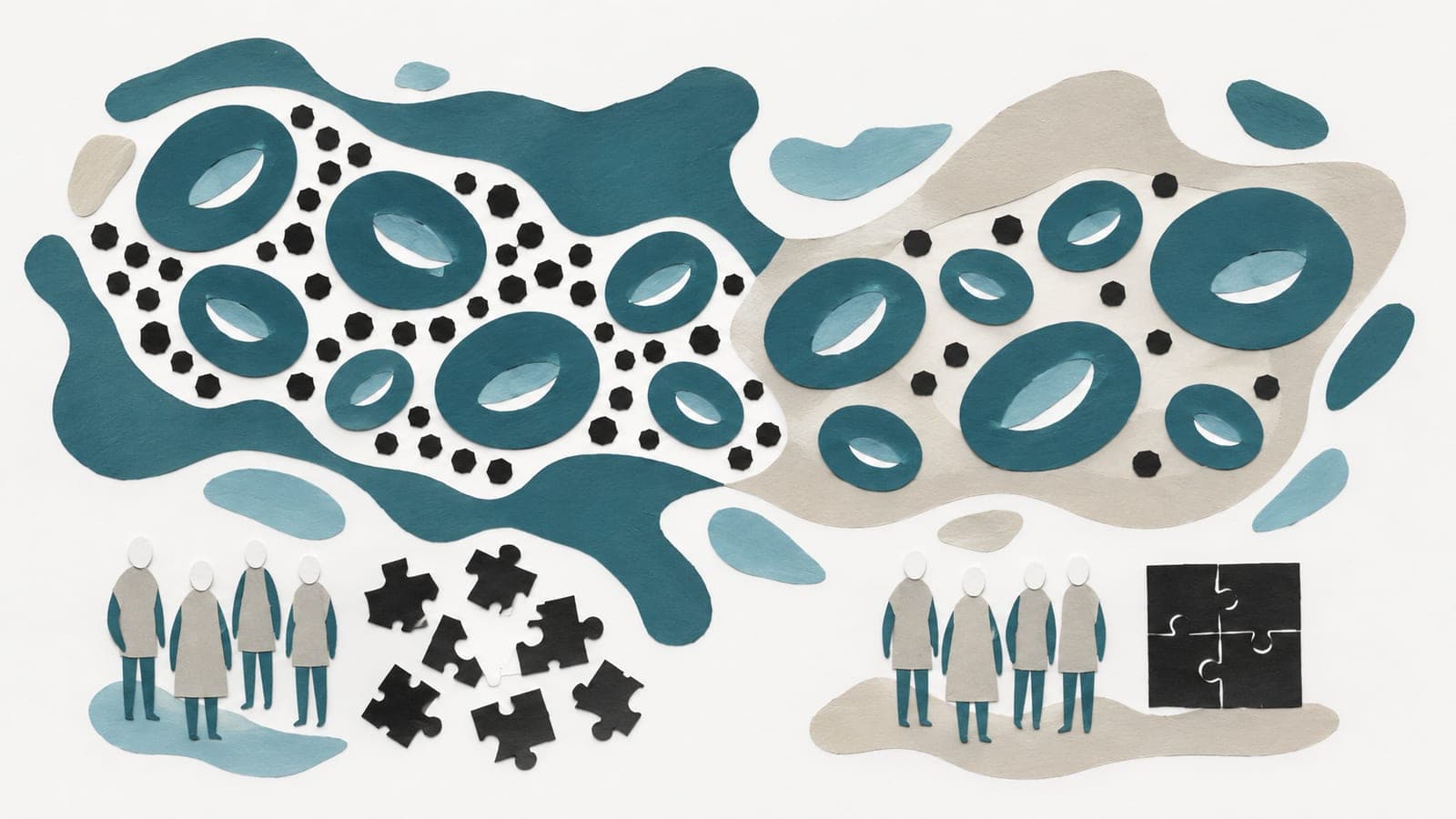
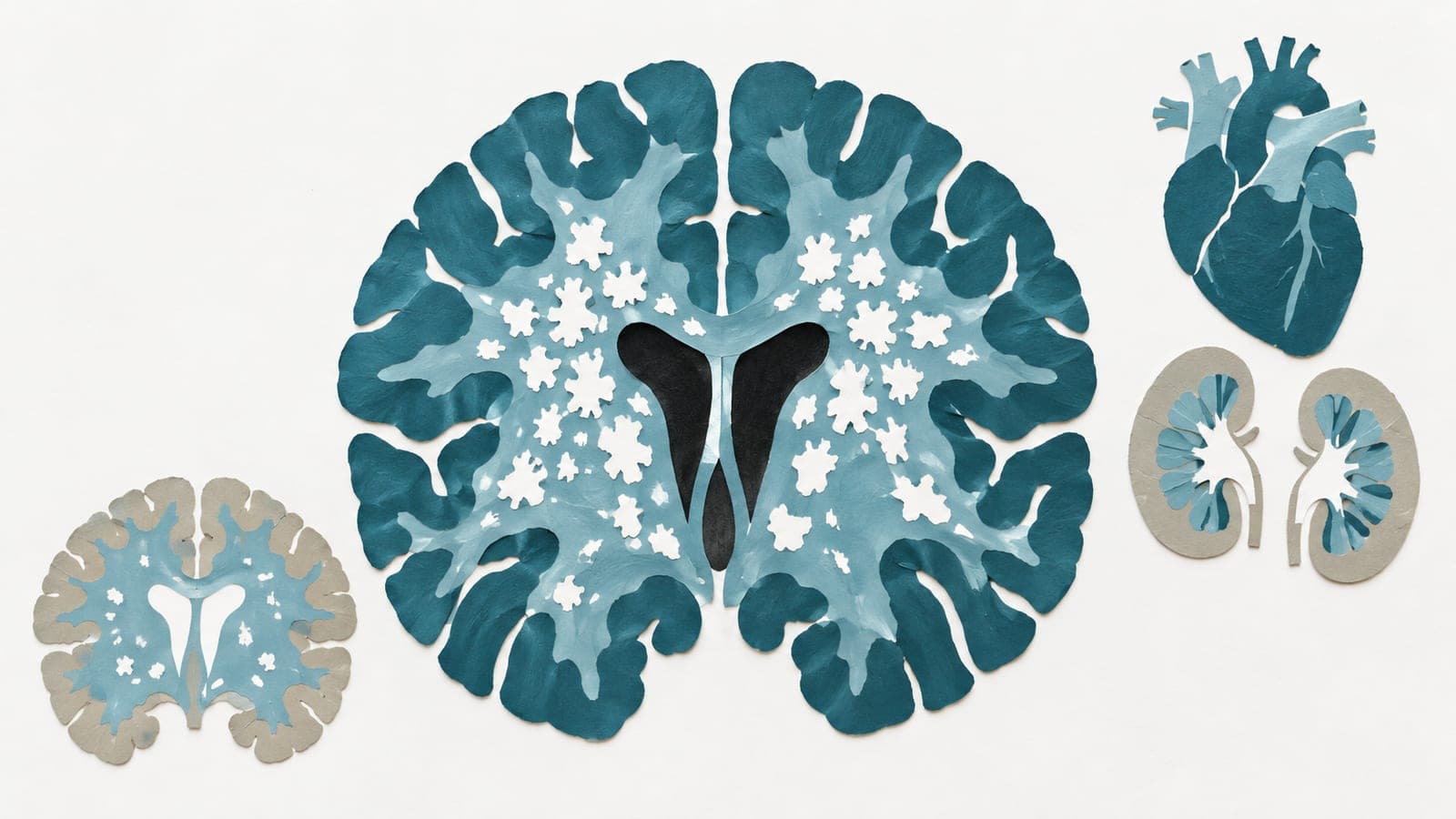
Advanced stages, 3–4, were associated with faster decline in attention, executive function—the mental skills used to plan and manage tasks—and language. These stages were also associated with depressive symptoms among people without cognitive impairment. A separate cross-sectional analysis of UK Biobank brain scans linked advanced stages to changes in 27 measures, especially white matter hyperintensities: bright areas on scans of the tissue containing connections between brain regions.
Why it matters
The authors suggest that addressing social isolation, depressive symptoms and physical inactivity, alongside managing the syndrome's risk factors, may help reduce age-related cognitive impairment.
Caveats
The observational design cannot establish cause and effect, and the brain-scan analysis assessed associations at a single time point. This preprint has not been peer-reviewed.
- Physical inactivity
- Social isolation
- Cardiovascular-kidney-metabolic syndrome
- Depressive symptoms
- Cognitive impairment
- Humans
The paper
Zhejiang University School of Public Health
medRxiv, Oct 27, 2026, Open access, CC BY-NC-ND, Preprint, not peer-reviewed